
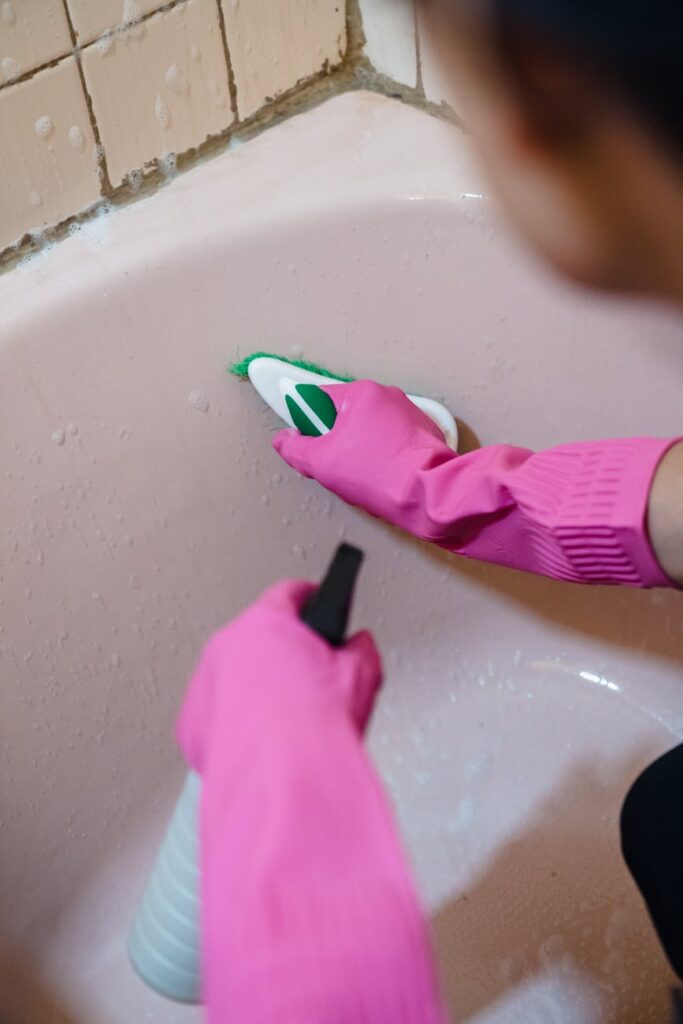
Grease Trap Cleaning Stains Guide Part 1
Introduction
Grease traps are essential for managing fats, oils, and grease (FOG) in kitchen waste. However, they can become stained and dirty over time, leading to unpleasant odors and potential plumbing issues. This guide will help you understand the causes of stains in grease traps, how to effectively clean them, and tips for maintaining a stain-free environment.
What Causes Stains?
Stains in grease traps typically result from a build-up of FOG, food particles, and other waste materials. Here are the main contributors:
- Fats and Oils: Cooking oils and animal fats solidify and adhere to the walls of the trap.
- Food Residues: Bits of food can accumulate, breaking down and contributing to discoloration.
- Bacteria Growth: Organic matter attracts bacteria, leading to further staining and odors.
- Water Hardness: Hard water can leave mineral deposits, adding to the staining problem.
- Infrequent Cleaning: Skipping regular maintenance leads to a build-up of waste.
- Improper Disposal: Pouring oils and grease down the drain instead of the trash contributes to clogging.
- Poor Trap Design: Some grease traps may not efficiently separate FOG from wastewater, leading to quicker staining.
- Neglecting Other Areas: Stains can also originate from surrounding kitchen areas that feed debris into the trap.
- Wear gloves and protective eyewear.
- Ensure the area is well-ventilated to avoid odors.
- A bucket
- A scoop or shovel
- A scraper or brush
- Baking soda
- Vinegar or a commercial degreaser
- Warm water
- A sponge or cloth
- Rinse the trap with warm water to wash away the loosened debris.
- If necessary, refill the trap with fresh water to the recommended level.
- Baking Soda and Vinegar: This natural method is effective for minor stains and odors.
- Commercial Degreasers: For tougher stains, a commercial degreaser can break down grease more effectively.
- Hot Water Flush: Regularly flushing the trap with hot water can help prevent build-up and staining.
- Enzymatic Cleaners: These products contain bacteria that digest grease and help maintain a cleaner trap.
- Ignoring Regular Maintenance: Skipping cleaning schedules can lead to severe staining and clogs.
- Using Abrasive Tools: Avoid using steel wool or harsh scrubbing pads that can damage the trap.
- Not Following Manufacturer Guidelines: Always adhere to specific cleaning recommendations for your grease trap model.
- Neglecting Surrounding Areas: Failing to clean the kitchen area can lead to debris entering the trap.
- Regular Cleaning Schedule: Establish a routine cleaning schedule based on the frequency of use.
- Proper Disposal: Always dispose of oils, fats, and food waste in the trash, not the sink.
- Use Filters: Install mesh filters over your sink drains to catch food particles.
- Educate Household Members: Make sure everyone knows how to properly dispose of kitchen waste.
Why This Problem Happens
Understanding why stains occur can help you prevent them. Here are common reasons:
How to Fix Stains (Step-by-Step)
Cleaning stains from a grease trap involves a systematic approach. Follow these steps for a thorough clean:
Step 1: Safety First
Step 2: Gather Your Supplies
You’ll need:
Step 3: Remove the Waste
1. Turn Off the Water Supply: Prevent water from entering the trap during cleaning.
2. Scoop Out Solid Waste: Use a scoop or shovel to remove the top layer of grease and food particles.
3. Take Note of the Level: Record how full the trap is for future reference.
Step 4: Clean the Trap
1. Scrape the Sides: Use a scraper or brush to remove stuck-on grease.
2. Apply Baking Soda: Sprinkle baking soda on the stained areas. It acts as a mild abrasive.
3. Add Vinegar: Pour vinegar over the baking soda. This will create a fizzing reaction that helps lift stains.
4. Scrub: Use your sponge or cloth to scrub the walls and bottom of the trap.
Step 5: Rinse
Step 6: Refill the Trap
Best Cleaning Methods
Several methods can effectively clean grease trap stains. Here are the most reliable:
Common Mistakes to Avoid
Avoid these pitfalls to ensure effective cleaning and maintenance:
Prevention Tips
Preventing stains in your grease trap is more effective than cleaning them. Here are some proactive strategies:
Frequently Asked Questions
1. How often should I clean my grease trap?
Cleaning frequency depends on usage, but a monthly schedule is a good starting point for regular households.
2. Can I use bleach to clean my grease trap?
No, bleach can react with organic matter and create harmful fumes. Stick to safer alternatives like vinegar or baking soda.
3. What are the signs that my grease trap needs cleaning?
Look for slow drainage, unpleasant odors, or visible grease build-up on the trap’s walls.
4. Are commercial degreasers safe for my grease trap?
Yes, as long as you choose products specifically designed for grease traps and follow the manufacturer’s instructions.
5. Will my grease trap ever be completely stain-free?
While it may not be possible to eliminate all stains, regular maintenance will reduce their appearance and prevent build-up.
6. Can I clean my grease trap myself, or should I hire a professional?
For minor stains and regular cleaning, DIY methods can be effective. However, consider hiring a professional for deep cleaning or severe clogs.
By following this guide, you can effectively manage grease trap stains, ensuring a cleaner and more efficient kitchen environment. Stay tuned for Part 2, where we’ll delve deeper into advanced cleaning techniques and maintenance strategies.