
Grease Trap Cleaning Odours Guide Part 2
Introduction
If you’ve ever encountered unpleasant smells emanating from your grease trap, you know how frustrating it can be. These odours not only invade your home but can also signify bigger issues lurking in your plumbing system. In this comprehensive guide, we’ll explore the causes of these odours, why they occur, and, most importantly, how to effectively tackle them.
What Causes Odours?
Understanding the root causes of odours in grease traps is essential for effective cleaning. Here are the primary culprits:
- Decomposing Organic Matter: Food particles, grease, and oil build up over time and start to decompose.
- Bacterial Growth: Anaerobic bacteria thrive in the sludge layer, leading to foul smells.
- Clogged Ventilation: If the grease trap’s vent is blocked, gases can’t escape, causing odours to back up into your home.
- Neglect: Regular maintenance is vital. If not cleaned routinely, traps become breeding grounds for bacteria.
- Overloading: Adding too much grease or food waste can overwhelm the system, leading to blockages and odours.
- Improper Installation: Incorrectly sized or installed traps may not function as intended, causing backups.
- Rubber gloves
- Scrub brush
- Bucket
- Dish soap or degreaser
- Baking soda
- White vinegar
- Odour neutralizers (optional)
- Enzymatic Cleaners: These break down grease and organic matter at a molecular level.
- Hot Water Flush: Regularly flushing your trap with hot water can help dissolve grease buildup.
- Biological Treatments: Use products containing live bacteria that consume grease and waste, reducing odours naturally.
- Ignoring Regular Maintenance: Skipping scheduled cleanings will lead to more severe odour problems and costly repairs.
- Using Harsh Chemicals: These can damage your plumbing and create harmful fumes; opt for safer alternatives.
- Neglecting Ventilation: Ensure that the grease trap’s ventilation is clear to allow gases to escape.
- Schedule Regular Cleanings: Aim for quarterly cleanings, or more frequently if you use your kitchen heavily.
- Educate Household Members: Teach everyone in your home about what should and shouldn’t go down the drain.
- Use Grease Strainers: Install strainers in sinks to capture food particles before they enter the grease trap.
Identifying the source will help you develop a targeted cleaning strategy.
Why This Problem Happens
Grease traps are designed to separate fats, oils, and grease from wastewater. However, their effectiveness diminishes over time due to:
Addressing these underlying issues will help mitigate odours in the long run.
How to Fix Odours (Step-by-Step)
Follow these actionable steps to eliminate odours from your grease trap:
Step 1: Gather Your Supplies
Step 2: Turn Off Water
Ensure that no water flows into the grease trap while you clean it. This will help prevent any overflow or additional mess.
Step 3: Inspect the Trap
Open the grease trap and visually inspect it. Look for signs of buildup or blockages. If you see a thick layer of grease or solid waste, that’s likely the source of your odour.
Step 4: Remove Debris
Using a bucket and a scoop, carefully remove the top layer of grease and any solid waste. Dispose of this material in accordance with local regulations.
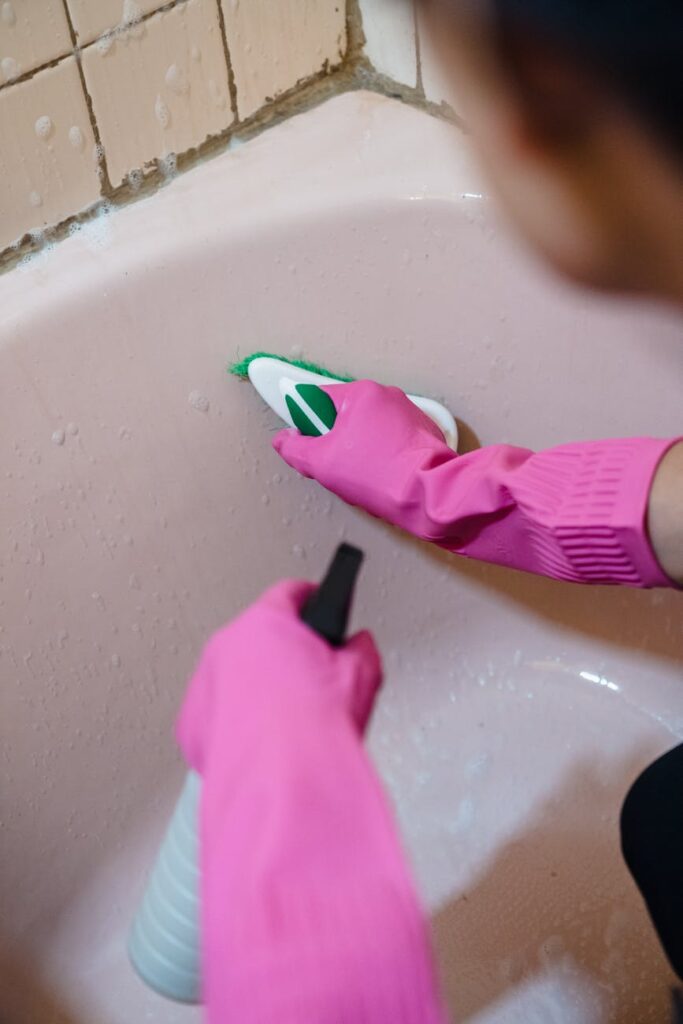
Step 5: Scrub the Interior
Apply a degreaser or dish soap to the walls and bottom of the grease trap. Use a scrub brush to clean thoroughly, focusing on corners and edges where grime accumulates.
Step 6: Rinse and Neutralize
After scrubbing, rinse the trap with warm water. To neutralize any residual odours, pour a mixture of baking soda and vinegar into the trap. Allow it to sit for 30 minutes before rinsing again.
Step 7: Reassemble and Monitor
Reassemble any components you removed and turn the water back on. Monitor the grease trap for any signs of returning odours.
Best Cleaning Methods
Different methods can be employed to keep your grease trap odour-free:
Each method has its merits; choose one based on your specific needs and availability.
Common Mistakes to Avoid
Here are some pitfalls to steer clear of:
Avoiding these mistakes will keep your grease trap functioning well and odour-free.
Prevention Tips
Taking proactive steps can prevent future odour issues:
Implementing these strategies will help you maintain a clean and odour-free environment.
Frequently Asked Questions
1. How often should I clean my grease trap?
Typically, you should clean your grease trap every 1-3 months, depending on usage.
2. Can I use vinegar alone to clean my grease trap?
While vinegar is effective, combining it with baking soda enhances its odour-neutralizing properties.
3. What if the odour persists after cleaning?
If the odour continues, it might indicate a larger plumbing issue. Consider hiring a professional.
4. Are enzymatic cleaners safe for my plumbing?
Yes, enzymatic cleaners are generally safe and can be very effective in breaking down grease.
5. Can I prevent grease buildup with a specific diet?
While diet changes may help reduce the amount of grease entering your trap, regular maintenance is still crucial.
6. Is professional cleaning necessary?
Professional cleaning is advisable if you notice severe blockages, persistent odours, or if it has been a long time since your last cleaning.
By addressing grease trap odours proactively, you can maintain a healthier and more pleasant home environment. Implement these cleaning methods and prevention tips to ensure your grease trap functions optimally, keeping those pesky smells at bay.