
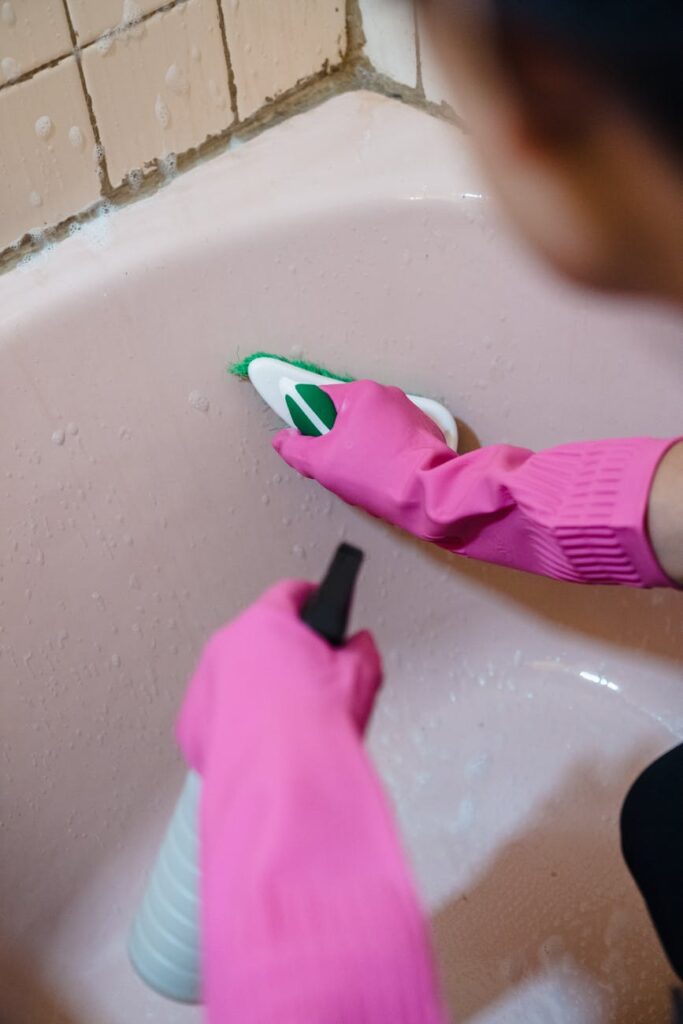
Grease Trap Cleaning Bathroom Guide Part 1
Introduction
A clean bathroom is essential for a healthy home, and part of that cleanliness involves proper maintenance of your bathroom’s grease trap. While grease traps are more commonly associated with kitchens, they can still collect waste in bathrooms, especially with soaps, shampoos, and body products. Understanding how to clean your bathroom’s grease trap can prevent unpleasant odors, clogs, and costly plumbing repairs. This guide will walk you through the causes, solutions, and prevention methods for keeping your bathroom grease trap in top shape.
What Causes Bathroom Grease Buildup?
Grease buildup in bathroom grease traps primarily comes from products we use daily. Here are the main culprits:
1. Soaps and Shampoos: Many personal care products contain oils and fats that can accumulate over time.
2. Hair: Hair clogs can trap soap residues, leading to grease accumulation.
3. Body Products: Lotions, creams, and other beauty products contribute to the buildup.
4. Cleaning Agents: Certain cleaners can leave residues that become trapped in the grease trap.
5. Flushing Non-Flushable Items: Items like wipes, feminine products, and cotton balls can create blockages that lead to grease accumulation.
Why This Problem Happens
Understanding why grease buildup occurs can help you tackle it effectively. Here are a few reasons:
- Chemical Reactions: When soaps and oils mix with wastewater, they can create a sludge that thickens over time.
- Temperature Changes: Hot water can dissolve oils, but as it cools, the grease can solidify and accumulate.
- Improper Disposal: Flushing inappropriate items can lead to blockages that exacerbate grease issues.
- Neglect: Regular maintenance is often overlooked, allowing grease to build up unnoticed.
- Bucket
- Gloves
- Scraper or putty knife
- Old toothbrush or scrub brush
- Dish soap
- Hot water
- Vinegar
- Baking soda
- Enzyme Cleaners: These can break down organic matter and are excellent for regular maintenance.
- Boiling Water: Pouring boiling water through the drain once a week can help keep grease from solidifying.
- Baking Soda and Vinegar: This natural combination can help break down grease and reduce odors.
- Professional Cleaning: For severe cases, hiring a professional may be necessary to ensure a thorough cleaning.
How to Fix Bathroom Grease Trap (Step-by-Step)
Cleaning your bathroom grease trap involves a few straightforward steps. Follow this guide for effective results:
Step 1: Gather Your Tools
You will need:
Step 2: Turn Off Water Supply
Before you begin, turn off the water supply to prevent any accidents while cleaning.
Step 3: Access the Grease Trap
Locate your bathroom grease trap. It may be under the sink or connected to the drain. Remove any coverings carefully.
Step 4: Remove Debris
Use a scraper or putty knife to remove the top layer of grease and debris. Place this debris into the bucket for disposal.
Step 5: Clean the Trap
1. Rinse: Pour hot water into the trap to help dissolve any remaining grease.
2. Scrub: Use the old toothbrush or scrub brush with dish soap to clean the walls of the trap thoroughly.
3. Rinse Again: Rinse with hot water to wash away soap and residue.
Step 6: Deodorize
To eliminate odors, sprinkle baking soda into the trap and follow with vinegar. Allow it to sit for a few minutes before rinsing again.
Step 7: Reassemble
Once clean, reassemble any parts you removed and turn the water supply back on.
Step 8: Test
Run the tap to ensure everything is functioning correctly and that there are no leaks.
Best Cleaning Methods
In addition to the step-by-step process outlined, consider these effective cleaning methods:
Common Mistakes to Avoid
Avoid these common pitfalls to ensure successful grease trap cleaning:
1. Using Chemical Drain Cleaners: These can harm your pipes and the environment. Stick to natural methods.
2. Neglecting Regular Maintenance: Don’t wait for problems to arise; clean your grease trap regularly.
3. Ignoring the Symptoms: If you notice slow drainage or bad odors, act immediately rather than waiting.
4. Flushing Improper Items: Be mindful of what goes down the drain to minimize buildup.
Prevention Tips
Preventing grease buildup is easier than fixing it. Here are some helpful tips:
1. Use Grease-Busting Products: Opt for products labeled as biodegradable and grease-free.
2. Install a Hair Catcher: This can prevent hair from entering the drain and creating clogs.
3. Regularly Flush with Hot Water: A weekly routine of flushing hot water can reduce grease buildup.
4. Educate Family Members: Ensure everyone knows what can and cannot be flushed.
5. Schedule Professional Inspections: Regular plumbing inspections can catch issues before they escalate.
Frequently Asked Questions
1. How often should I clean my bathroom grease trap?
Aim for cleaning every 3 to 6 months, or more frequently if you notice issues.
2. Can I use bleach to clean the grease trap?
Avoid bleach; it can harm pipes and disrupt the beneficial bacteria in the trap.
3. What are the signs that my grease trap needs cleaning?
Look for slow drainage, foul odors, or gurgling sounds from the drains.
4. Is it safe to clean my grease trap myself?
Yes, as long as you follow safety precautions and use the right tools.
5. Can I prevent grease buildup entirely?
While you can significantly reduce it, some buildup is inevitable. Regular maintenance is key.
6. Should I hire a professional for grease trap cleaning?
Consider hiring a professional if you encounter severe blockages or have not cleaned it in over a year.
By following this guide, you can maintain a clean and efficient bathroom grease trap, preventing costly repairs and unpleasant odors. Stay proactive, and your bathroom will remain a welcoming space in your home.