
Grease Trap Cleaning Appliances Guide Part 1
Introduction
Grease traps are essential components in plumbing systems, designed to prevent grease, fats, and oils from clogging drains. However, a poorly maintained grease trap can lead to unpleasant odors, slow drainage, and even costly repairs. In this guide, we’ll delve into the appliances and tools you need for effective grease trap cleaning, helping you keep your kitchen environment fresh and functional.
What Causes Appliances?
Over time, grease traps accumulate fats, oils, and solids, significantly reducing their effectiveness. The most common culprits include:
- Cooking Oils and Fats: When cooking, leftover oils can solidify and build up in the trap.
- Food Particles: Bits of food can mix with grease, creating clogs.
- Soap Residues: Certain soaps can emulsify fats, making them harder to separate in the grease trap.
- Lack of Regular Maintenance: Many homeowners overlook routine cleaning, leading to significant buildup.
- Improper Disposal: Pouring fats down the drain instead of disposing of them properly contributes to grease trap issues.
- Inadequate Sizing: If the grease trap is too small for the household’s cooking habits, it can overflow and lead to plumbing issues.
- Gloves
- A bucket
- A scraper or spatula
- A long-handled brush
- A hose or pressure washer (optional)
- Mild detergent
- Trash bags
- Neglecting Regular Maintenance: Skipping routine cleanings can lead to bigger problems.
- Using Harsh Chemicals: Strong solvents can damage the grease trap and harm your plumbing.
- Ignoring Local Regulations: Always check local disposal regulations for grease and waste.
- Educate Household Members: Make sure everyone understands what can and cannot go down the drain.
- Use a Strainer: Install a strainer in the sink to catch food particles and grease before they enter the trap.
- Regularly Dispose of Cooking Oils: Collect used cooking oils in a container and dispose of them properly instead of pouring them down the drain.
Understanding these causes allows homeowners to better manage their grease traps and maintain their appliances.
Why This Problem Happens
The main reasons grease traps become problematic include:
Addressing these causes is crucial for maintaining an efficient grease trap.
How to Fix Appliances (Step-by-Step)
Cleaning your grease trap can be a straightforward process if you follow these steps:
Step 1: Gather Your Supplies
Before you start, you’ll need:
Step 2: Turn Off the Water Supply
Ensure the water supply to the kitchen sink is turned off to prevent any accidental flooding while you work.
Step 3: Access the Grease Trap
Locate the grease trap, often found beneath the sink or in the basement. Open the lid carefully to avoid spilling contents.
Step 4: Remove the Contents
Using your scraper or spatula, remove the solid waste and grease from the trap. Transfer this waste into your bucket for disposal.
Step 5: Clean the Interior
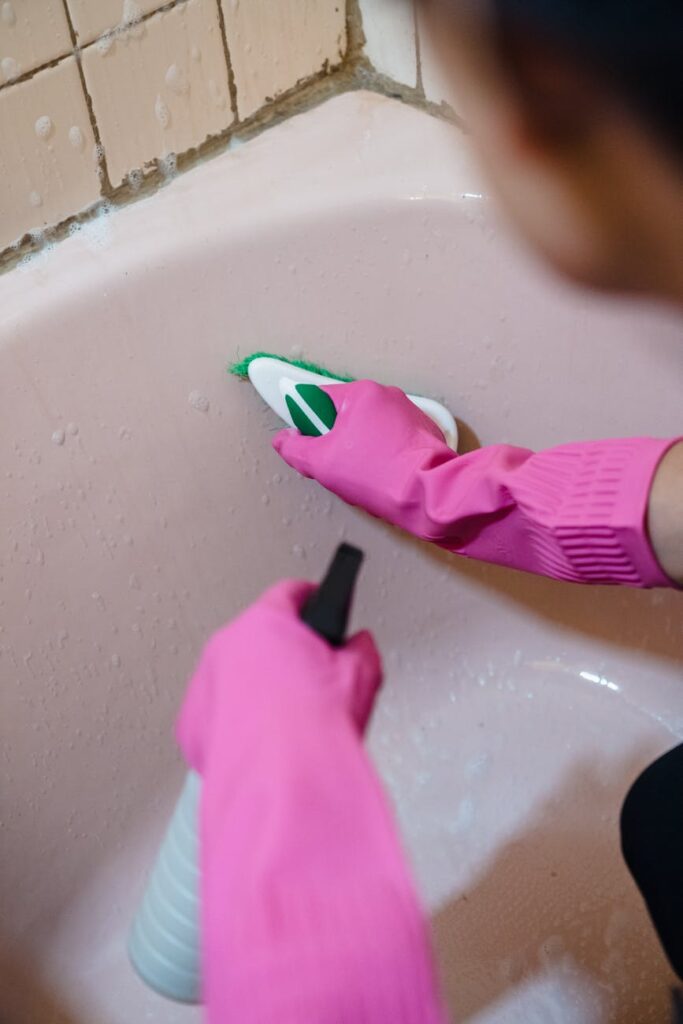
Once emptied, use the long-handled brush and mild detergent to scrub the interior of the grease trap thoroughly. If available, a hose or pressure washer can help remove stubborn debris.
Step 6: Rinse and Reassemble
Rinse the trap with water, ensuring all soap is removed. Reassemble the grease trap carefully, ensuring the lid is sealed tightly.
Step 7: Dispose of Waste Properly
Seal the waste in trash bags and dispose of it according to your local regulations. Never pour grease down the drain.
Best Cleaning Methods
When it comes to cleaning grease traps, these methods are most effective:
Manual Cleaning
This method involves physically removing all waste and scrubbing the interior. It’s labor-intensive but the most thorough.
Chemical Solutions
For tough grease buildup, consider using enzymatic cleaners that can break down fats and oils. Always follow the manufacturer’s instructions and ensure proper ventilation.
Pressure Washing
If feasible, using a pressure washer can help eliminate stubborn residues from the grease trap’s interior. However, ensure that the trap is empty before using this method.
Common Mistakes to Avoid
When cleaning grease traps, avoid these common pitfalls:
Being aware of these mistakes can save you from future headaches and costly repairs.
Prevention Tips
Preventing grease buildup can save you time and effort in the long run. Here are some effective strategies:
By implementing these preventive measures, you can significantly reduce the chances of grease buildup.
Frequently Asked Questions
1. How often should I clean my grease trap?
It’s recommended to clean your grease trap every 1 to 3 months, depending on usage.
2. Can I clean my grease trap myself?
Yes, cleaning your grease trap can be done as a DIY task, provided you follow proper procedures.
3. What should I do if my grease trap is overflowing?
If your grease trap is overflowing, stop using the sink immediately and clean the trap as soon as possible.
4. Are there professional services for grease trap cleaning?
Yes, many plumbing companies offer professional grease trap cleaning services if you prefer not to tackle it yourself.
5. Can I use hot water to clean my grease trap?
While hot water can help dissolve grease, avoid pouring it directly into the trap as it can cause grease to liquefy and lead to clogs.
6. What is the best way to dispose of grease?
Transfer used cooking grease to a sealable container and dispose of it in the trash, or check if your local recycling program accepts cooking oils.
Maintaining a clean grease trap is essential for a functioning kitchen. By following this guide and using the right appliances, you can prevent grease buildup and keep your plumbing system running smoothly. Stay tuned for Part 2, where we will explore advanced cleaning techniques and troubleshooting tips.