
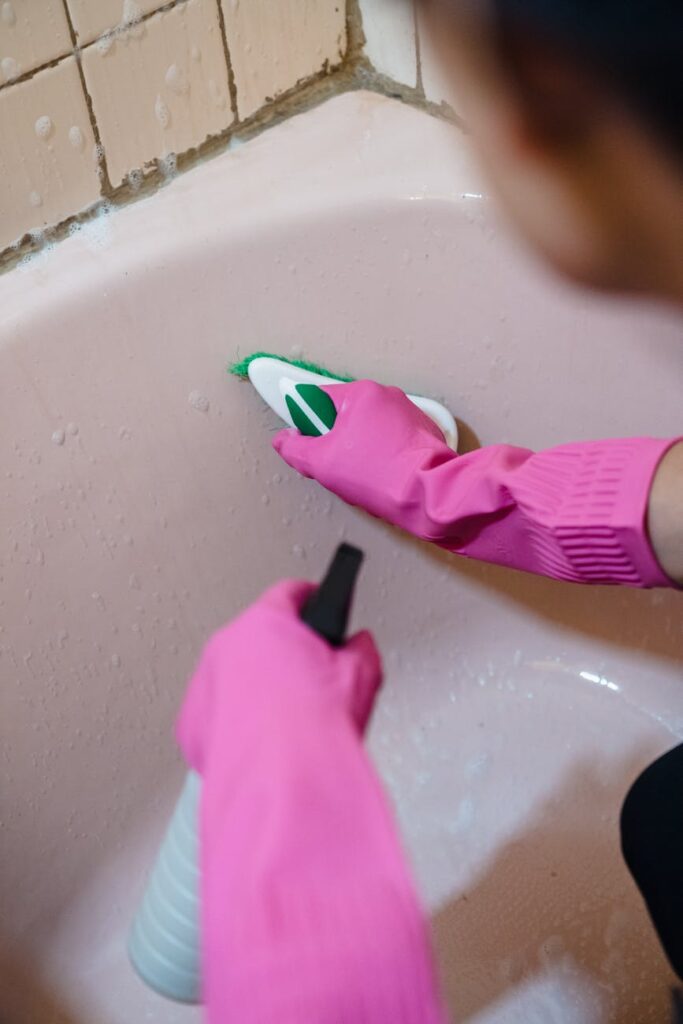
Grease Stains Odours Guide Part 2
Introduction
Grease stains can be a nuisance, not just because of their unsightly appearance but also due to the unpleasant odours they often leave behind. Whether it’s from cooking, automotive work, or other greasy activities, these odours can linger and permeate your living space. In this guide, we will explore the root causes of these odours, how to effectively eliminate them, and tips to prevent them from returning.
What Causes Odours?
Grease stains typically originate from oils and fats that are left on surfaces. When these substances break down, they can emit a range of unpleasant smells. Common sources of grease include:
- Cooking Oils: Oils used in frying or sautéing can splatter and leave behind residues.
- Automotive Grease: Working on vehicles can result in grease getting onto clothes or floors.
- Food Residues: Leftover food particles, especially from fried foods, can contribute to odours.
- Bacterial Growth: When grease is left to sit, it can attract bacteria, which can lead to foul smells.
- Oxidation: Oils can oxidize over time, leading to rancid odours.
- Evaporation: As grease dries out, it can concentrate the remaining smells, making them more potent.
- Use hot, soapy water to clean surfaces.
- For stubborn stains, consider using a degreaser.
- For clothing, pre-treat the stained area with a stain remover.
- Wash in the hottest water safe for the fabric.
- Blot the area with a cloth soaked in a mixture of vinegar and water.
- Allow it to dry thoroughly.
- Baking Soda: Sprinkle baking soda on the affected area and let it sit for several hours before vacuuming.
- Vinegar Solution: Mix equal parts vinegar and water in a spray bottle and mist the area. Let it air dry.
Understanding the source of the odour is crucial in tackling the problem effectively.
Why This Problem Happens
Odours from grease stains often occur due to a combination of factors:
These factors create an environment where odours thrive, making it essential to address both the grease and the underlying causes.
How to Fix Odours (Step-by-Step)
Step 1: Identify the Source
Pinpoint where the odour is coming from. This could be a kitchen counter, clothing, or even an upholstered surface.
Step 2: Clean the Affected Area
1. Surface Cleaning:
2. Fabric Cleaning:
3. Upholstery Cleaning:
Step 3: Neutralize the Odour
Step 4: Assess and Repeat if Necessary
After the first attempt, check if the odour persists. If it does, repeat the cleaning and neutralizing steps until the smell is gone.
Best Cleaning Methods
1. Hot, Soapy Water
This is the simplest and often most effective method for general grease stains. Use a mixture of dish soap and hot water to scrub the area thoroughly.
2. Degreasers
For tough grease stains, consider using a commercial degreaser. Apply according to the manufacturer’s instructions, focusing on the stained area.
3. Baking Soda and Vinegar
This natural combination is effective for both cleaning and odour neutralization. The fizzing action helps lift grime while the baking soda absorbs smells.
4. Activated Charcoal
Place activated charcoal in the affected area to absorb lingering odours. It’s especially useful for larger spaces.
Common Mistakes to Avoid
1. Ignoring the Source: Always clean the grease source first before addressing the smell.
2. Using Too Much Product: Excessive cleaning products can leave residue that attracts more dirt and odours.
3. Not Allowing Enough Time: Give cleaning agents time to work; don’t rush the process.
4. Skimping on Rinsing: Always rinse surfaces thoroughly to remove cleaning agents, which can also cause odours if left behind.
Prevention Tips
1. Act Quickly: Clean up grease spills immediately to prevent odours from setting in.
2. Use Splatter Guards: When cooking, use splatter guards to minimize grease distribution.
3. Regular Maintenance: Clean your kitchen surfaces regularly to keep grease and odours at bay.
4. Ventilation: Ensure proper kitchen ventilation to reduce humidity and prevent odour buildup.
5. Storage Practices: Store oils and greasy items properly to avoid spills and leaks.
Frequently Asked Questions
1. How can I remove grease stains from clothing?
Pre-treat the stain with a stain remover, then wash in the hottest water safe for the fabric. If the smell persists, consider soaking the item in a vinegar solution.
2. What is the best natural remedy for grease odours?
Baking soda is highly effective. Sprinkle it on the affected area, let it sit, and then vacuum it up to help absorb the odour.
3. Can I use bleach on grease stains?
Bleach is not recommended for grease stains as it may not effectively remove the grease and can also damage fabrics. Opt for degreasers or natural solutions instead.
4. How do I get rid of grease odours in my kitchen?
Clean surfaces with hot, soapy water, and use a vinegar solution or baking soda to neutralize lingering smells. Ensure proper ventilation while cooking.
5. What should I do if the smell lingers after cleaning?
If the odour persists, try using activated charcoal or a commercial odour eliminator designed for grease smells. Repeat the cleaning process if necessary.
6. Are there any products I should avoid for cleaning grease?
Avoid products that contain ammonia, as they can create harmful fumes when mixed with other cleaners. Stick to degreasers or natural cleaning solutions.
Conclusion
Grease stains and their associated odours don’t have to be a permanent fixture in your home. By understanding their causes and employing effective cleaning methods, you can eliminate unpleasant smells and prevent them from returning. Regular cleaning and prompt action will keep your living space fresh and inviting.