
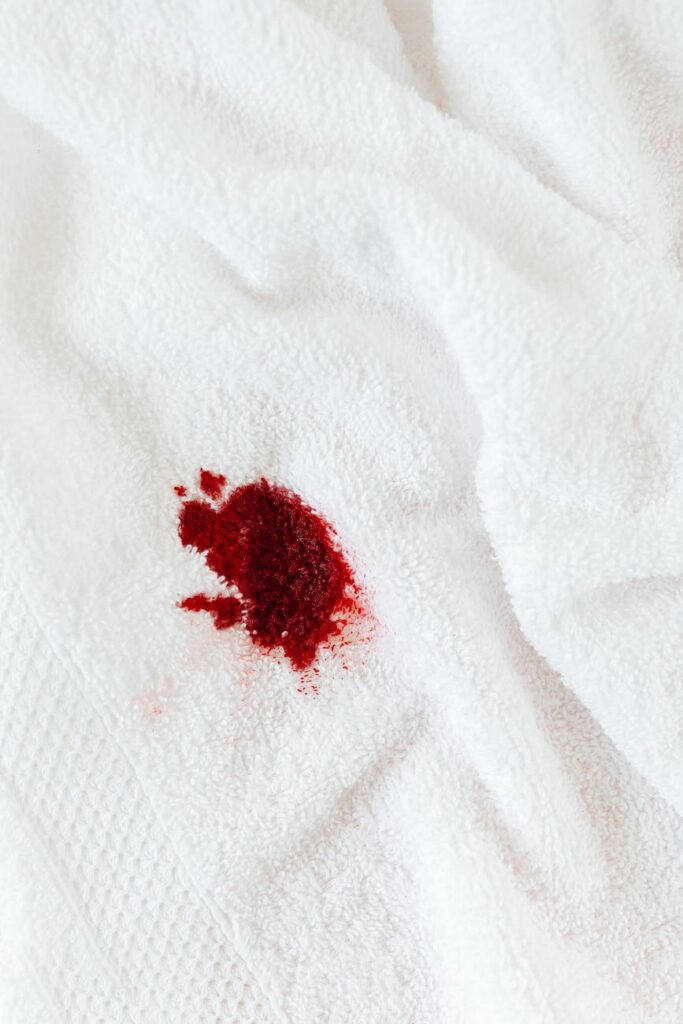
Grease Stains Kitchen Guide Part 1
Introduction
Grease stains can be a significant annoyance in the kitchen. Whether they come from cooking splatters, spilled oils, or food preparation, these stains can quickly accumulate and create an unsightly mess. This guide will help you understand the causes of grease stains, why they occur, and most importantly, how to effectively clean and prevent them.
What Causes Kitchen Grease Stains?
Grease stains in the kitchen primarily come from cooking processes. Here are some common culprits:
1. Cooking Oils: Oils used for frying or sautéing can splatter and leave behind a greasy residue.
2. Butter and Margarine: These can melt and drip, especially when cooking at high temperatures.
3. Food Preparation: Chopping, mixing, and marinating can lead to spills that create grease stains.
4. Cooking Equipment: Stains can also come from equipment like pans or baking sheets that have accumulated grease over time.
Why This Problem Happens
Grease stains become problematic for a few reasons:
1. Sticky Residue: Grease is sticky and can attract dust and dirt, making the stain worse over time.
2. Hardening: If not cleaned promptly, grease can harden, making it much more challenging to remove.
3. Odor: Old grease stains can emit unpleasant odors, affecting the overall kitchen environment.
4. Staining Surfaces: If left untreated, grease can penetrate and discolor surfaces like countertops, walls, and cabinets.
How to Fix Kitchen Grease Stains (Step-by-Step)
Step 1: Gather Your Supplies
Before you start, gather the following supplies:
- Dish soap
- Baking soda
- White vinegar
- Spray bottle
- Soft cloth or sponge
- Stiff-bristle brush
- Microfiber cloth
- Bucket
- Countertops (granite, laminate, wood)
- Walls
- Appliances (stovetops, ovens, microwaves)
- Floors
- How to Use: Mix equal parts of baking soda and water to form a paste. Apply it to the stain and let it sit for 15-20 minutes before scrubbing and rinsing.
- How to Use: Mix equal parts of white vinegar and water in a spray bottle. Spray the stained area and let it sit for 10 minutes before wiping it clean.
- How to Use: If home methods fail, consider a commercial degreaser. Follow the manufacturer’s instructions closely for the best results.
Step 2: Identify the Surface
Identify the surface you will be cleaning, as different materials may require different methods. Common surfaces include:
Step 3: Pre-Treat the Stain
1. Dish Soap Solution: Mix a few drops of dish soap with warm water in a bowl. If the grease is particularly stubborn, consider adding a tablespoon of baking soda for extra scrubbing power.
2. Apply the Solution: Dip a soft cloth or sponge into the solution and gently rub the stained area. Allow it to sit for 5–10 minutes to break down the grease.
Step 4: Scrub the Stain
Using a stiff-bristle brush, gently scrub the area in a circular motion. Be cautious with delicate surfaces to avoid scratches.
Step 5: Rinse
Wipe the area with a damp cloth to remove any soap residue. For surfaces like countertops, ensure no soap remains, as it can attract dirt.
Step 6: Dry the Area
Use a microfiber cloth to dry the cleaned surface thoroughly. This will help prevent any new stains from forming.
Best Cleaning Methods
Different stains and surfaces may require different approaches. Here are some effective methods:
1. Baking Soda Paste
2. Vinegar Solution
3. Commercial Degreasers
Common Mistakes to Avoid
1. Using Abrasive Cleaners: Avoid harsh scrubbing pads or abrasive cleaners that can scratch surfaces.
2. Ignoring Stains: The longer a grease stain sits, the harder it will be to remove. Clean promptly.
3. Mixing Cleaning Products: Never mix different cleaning products, especially those containing bleach and ammonia, as they can produce toxic fumes.
4. Using Too Much Water: Overusing water can spread the grease further. Use damp cloths instead.
Prevention Tips
1. Use Splatter Guards: These can help minimize grease splatters while cooking.
2. Wipe Up Spills Immediately: Address spills as soon as they happen to prevent stains.
3. Regular Deep Cleaning: Schedule regular cleanings of your kitchen surfaces to keep grease at bay.
4. Cover Food While Cooking: This will help reduce the amount of grease released into the air.
Frequently Asked Questions
1. How can I remove grease stains from clothes?
For clothes, apply a little dish soap directly to the stain, let it sit for 5–10 minutes, then wash according to the care label.
2. Can I use bleach to clean grease stains?
Bleach is not recommended for grease stains, as it may not effectively remove the grease and can damage some surfaces.
3. How often should I clean my kitchen to prevent grease buildup?
Aim for a thorough clean at least once a week, with daily spot cleaning to keep grease stains in check.
4. Is it safe to use vinegar on all surfaces?
Vinegar is safe for most surfaces, but avoid using it on natural stone, as it can cause etching.
5. What if the grease stain won’t come out?
If a stubborn stain persists, consider using a commercial degreaser or consulting a professional cleaner.
6. Can I use baking soda on all surfaces?
Baking soda is generally safe for most surfaces but always test a small area first, especially on delicate materials.
By following these practical steps and tips, you can tackle grease stains in your kitchen effectively. Keep your kitchen looking clean and inviting with consistent care and maintenance.