
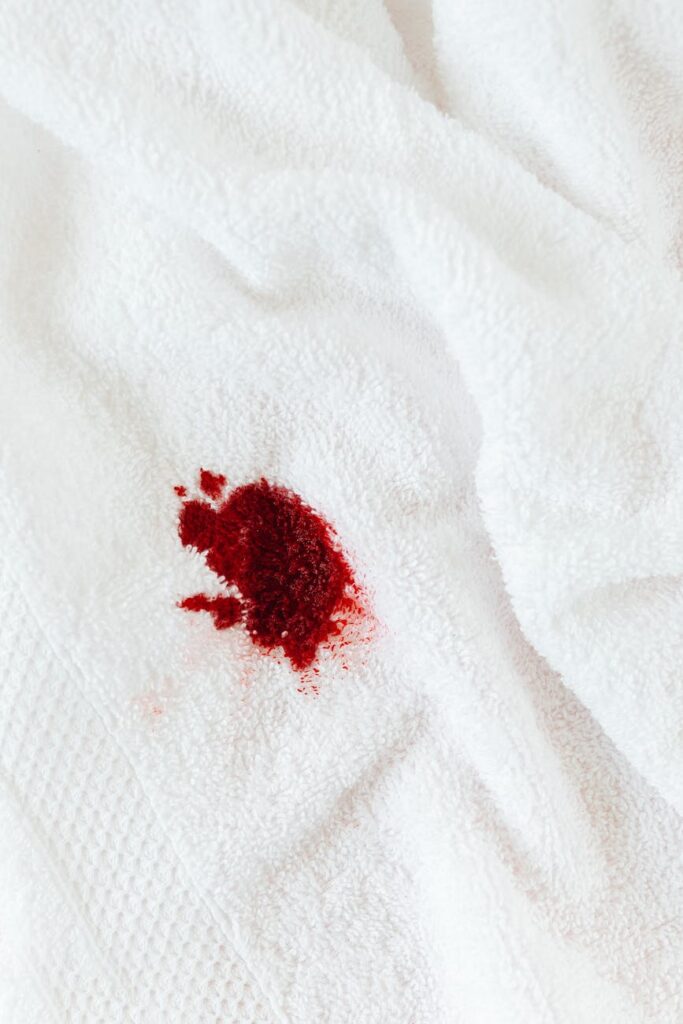
Grease Stains Cleaning Guide Part 1
Introduction
Grease stains can be a homeowner’s worst nightmare. Whether from cooking, automotive work, or everyday activities, these stubborn marks often seem impossible to remove. This guide aims to arm you with practical knowledge and effective techniques to tackle grease stains head-on.
What Causes Grease Stains?
Grease stains are primarily caused by oils and fats that adhere to surfaces. Common sources include:
- Cooking Oils: Spills from frying or sautéing.
- Auto Grease: Lubricants from vehicles leaking onto clothing or garage floors.
- Body Oils: Natural oils from skin or hair transferring to fabrics.
- Food Products: Sauces, butter, and dressings can leave behind a greasy residue.
- Dish Soap and Water: Mix a few drops of dish soap with warm water. Apply to the stain and let it sit for about 10-15 minutes.
- Baking Soda: Sprinkle baking soda on the stain to absorb grease. Let it sit for 15-30 minutes before brushing off.
- Using Hot Water Immediately: Hot water can set grease stains, making them harder to remove.
- Not Testing Cleaners: Always test cleaning solutions on a small, inconspicuous area first to avoid damage.
- Ignoring Care Labels: Every fabric has specific care needs; ignoring them can lead to further damage.
- Overloading the Washing Machine: This can prevent clothes from getting properly cleaned.
Understanding the source can help you choose the most effective cleaning method.
Why This Problem Happens
Grease stains occur because oils have a unique molecular structure that resists water. This means traditional cleaning methods, which typically rely on water, often fall short. The hydrocarbons in grease also make it difficult for detergents to break down the stain without proper treatment.
How to Fix Grease Stains (Step-by-Step)
Step 1: Identify the Fabric or Surface
Before you start cleaning, it’s crucial to identify the type of fabric or surface you’re dealing with. Different materials require different cleaning methods.
Step 2: Blot, Don’t Rub
For fabric items, immediately blot the stain with a clean, dry cloth to absorb excess grease. Rubbing can spread the stain and make it worse.
Step 3: Apply a Pre-Treatment
Use a pre-treatment stain remover or a homemade solution:
Step 4: Wash
Wash the item according to the care label instructions. Use the hottest water safe for the fabric, combined with a quality detergent.
Step 5: Check Before Drying
Before putting the item in the dryer, check if the grease stain is entirely gone. Heat can set the stain, making it nearly impossible to remove. If the stain persists, repeat the treatment.
Best Cleaning Methods
For Fabrics
1. Dish Soap: A powerful grease cutter often found in most kitchens.
2. Cornstarch: Great for absorbing grease, especially on fabric.
3. Commercial Stain Removers: Specifically designed for grease, these can be effective.
For Hard Surfaces
1. White Vinegar: A natural degreaser that can cut through grease on countertops and stovetops.
2. Baking Soda Paste: Mix baking soda with water to create a paste for scrubbing.
3. Commercial Degreasers: Products formulated for tough grease on a variety of surfaces.
For Carpets
1. Club Soda: Pour a small amount on the stain and blot.
2. Cornstarch: Sprinkle on the stain, let it sit, then vacuum.
Common Mistakes to Avoid
Prevention Tips
1. Use Aprons: Protect your clothing while cooking.
2. Clean Up Spills Immediately: Addressing spills right away minimizes the chance of staining.
3. Store Oils Properly: Use sealed containers to prevent leaks and spills.
4. Regular Maintenance: Clean surfaces regularly to prevent grease buildup.
Frequently Asked Questions
1. Can I use regular laundry detergent for grease stains?
Yes, but a detergent specifically designed for grease may be more effective.
2. How can I remove grease stains from my carpet?
Blot the stain, then use club soda or cornstarch to absorb excess grease. Follow up with a carpet cleaner.
3. What if the stain is set-in?
Try repeating the cleaning process with a stronger degreaser or consult a professional cleaner.
4. Will vinegar damage my surfaces?
Vinegar is generally safe for most surfaces, but always test a small area first.
5. Can I use baking soda on all fabrics?
While baking soda is safe for most fabrics, avoid using it on delicate materials like silk.
6. Is it better to air dry or machine dry after cleaning grease stains?
Air drying is preferable, especially if you’re unsure whether the stain is completely removed. Heat can set stains permanently.
By following this guide, you’ll have the tools and knowledge to effectively tackle grease stains in your home. Stay tuned for Part 2, where we’ll delve into advanced techniques and specialized products for stubborn stains!