
Grease Stains Appliances Guide Part 2
Introduction
Grease stains on appliances are a common nuisance in many households. Whether it’s your stove, refrigerator, or microwave, these stains not only look unsightly but can also impact the performance of your appliances. In this guide, we will explore what causes grease stains, why they form, and how to effectively clean and prevent them.
What Causes Appliances?
Grease stains typically originate from cooking activities. When food is heated, fats and oils are released into the air. These particles can settle on the surfaces of appliances, leading to greasy buildup. Common culprits include:
- Cooking Oils: Oils used for frying or sautéing can easily splatter and adhere to surfaces.
- Food Residue: Spills from pots and pans can leave behind sticky remnants.
- Steam: Cooking with steam can carry grease particles, causing them to settle on nearby surfaces.
- Dish soap
- Baking soda
- White vinegar
- Soft cloths or sponges
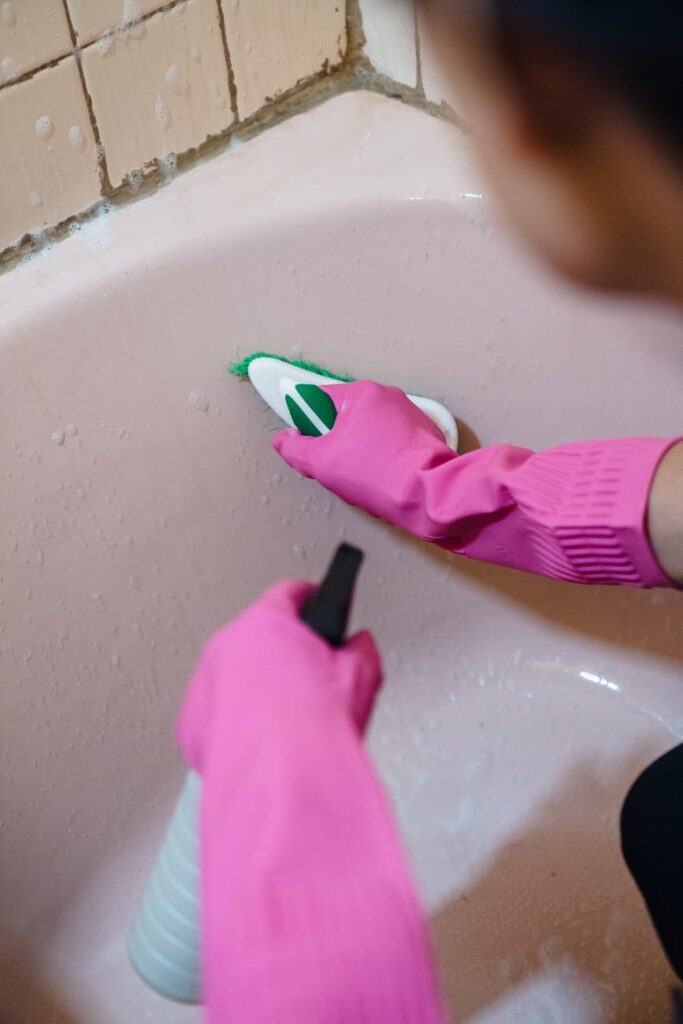
- A scrub brush (for tough stains)
- A spray bottle
- Glass and Ceramic: Use a non-abrasive cleaner and a soft cloth to avoid scratching.
- Gas Burners: Detach and soak in soapy water before scrubbing.
- Interior: Heat a bowl of water with lemon juice for 5 minutes. Wipe down with a damp cloth.
- Exterior: Use the vinegar solution for easy cleaning.
- Exterior: Clean with soapy water and dry thoroughly to avoid streaks.
- Interior: Remove shelves and wash with a baking soda solution to neutralize odors.
- Use Splatter Guards: These can help contain grease when frying or sautéing.
- Cook with Lids On: Cover pots and pans to minimize airborne grease.
- Improve Kitchen Ventilation: Use exhaust fans or open windows to reduce grease buildup in the air.
- Wipe Surfaces Regularly: Clean appliances after each use to prevent grease from settling.
Understanding the sources of grease stains can help you address them more effectively.
Why This Problem Happens
Grease stains occur due to the combination of heat and airborne particles. When cooking, the high temperatures can cause oils to vaporize, creating a fine mist. This mist eventually cools and settles on surfaces, forming a sticky layer. Over time, if not cleaned, these stains can harden and become more challenging to remove.
Additionally, factors like poor ventilation and frequent cooking can exacerbate the problem. In kitchens with inadequate airflow, grease particles have nowhere to escape, leading to a higher concentration on appliance surfaces.
How to Fix Appliances (Step-by-Step)
Cleaning grease stains from appliances is straightforward if you follow a systematic approach. Here’s a step-by-step guide:
Step 1: Gather Your Supplies
You will need:
Step 2: Prepare Your Cleaning Solution
1. For Light Cleaning: Mix a few drops of dish soap with warm water in a bowl.
2. For Stubborn Stains: Combine equal parts baking soda and water to form a paste.
3. For Extra Tough Stains: Use a mixture of equal parts white vinegar and water in a spray bottle.
Step 3: Apply the Cleaning Solution
1. Light Cleaning: Dip a soft cloth into the soapy water, wring it out, and wipe the greasy areas. Rinse with clean water and dry with a clean cloth.
2. Stubborn Stains: Apply the baking soda paste directly onto the stains. Let it sit for 15-20 minutes before scrubbing gently with a brush. Rinse with a damp cloth.
3. Tough Stains: Spray the vinegar solution on the affected areas and let it sit for 10 minutes. Wipe off with a cloth and rinse.
Step 4: Final Wipe Down
After removing grease stains, give appliances a final wipe down with a clean, damp cloth to ensure all cleaning residues are removed.
Best Cleaning Methods
Different appliances may require specific cleaning methods. Here are some best practices for common appliances:
Stovetops
Microwaves
Refrigerators
Common Mistakes to Avoid
1. Using Abrasive Cleaners: Avoid steel wool or harsh chemicals that can scratch surfaces.
2. Neglecting Regular Cleaning: Letting grease build up makes it harder to remove later.
3. Not Rinsing Properly: Leaving cleaning residues can attract more dirt and grease.
4. Using Too Much Water: Excess moisture can damage electrical components, especially in microwaves or stoves.
Prevention Tips
Preventing grease stains is easier than dealing with them after they form. Here are some effective strategies:
Frequently Asked Questions
1. How often should I clean my appliances?
It’s best to wipe down your appliances after each use, particularly in high-grease areas like the stove and microwave.
2. Can I use vinegar on all appliances?
Vinegar is safe for most surfaces but avoid using it on natural stone or waxed surfaces.
3. What’s the best way to clean stainless steel appliances?
Use a specialized stainless steel cleaner or a mixture of vinegar and water, wiping with the grain of the steel.
4. Are commercial degreasers effective?
Yes, commercial degreasers can be effective, but always read labels to ensure they are safe for your appliance type.
5. How do I remove hardened grease?
Soak the area with hot water and dish soap, then scrub with a baking soda paste for tough spots.
6. Is it safe to use bleach for cleaning appliances?
Avoid using bleach on appliances as it can damage surfaces and create harmful fumes.
By understanding the causes of grease stains and employing these cleaning techniques, you can maintain your appliances in pristine condition. Regular maintenance not only extends the life of your appliances but also keeps your kitchen looking its best.