
Furniture Water Stains Mould & Damp Guide Part 2
Introduction
Mould and damp are common issues that can arise from water stains on furniture. These problems not only affect the appearance of your items but can also lead to serious health risks if left untreated. In this guide, we will explore the causes of mould and damp, how to fix them, the best cleaning methods, and tips to prevent future occurrences.
What Causes Mould & Damp?
Mould thrives in damp environments, and water stains on furniture provide the perfect breeding ground. Common causes include:
- High Humidity: Areas with high humidity levels can lead to condensation on furniture surfaces.
- Water Leaks: Leaks from roofs, pipes, or even spills can create damp spots.
- Poor Ventilation: Insufficient airflow can trap moisture, leading to mould growth.
- Temperature Fluctuations: Rapid changes in temperature can cause condensation.
- Protective gloves and mask
- Soft cloths or sponges
- White vinegar or hydrogen peroxide
- Baking soda
- Mild detergent
- Rubbing alcohol
- Vinegar Solution: A natural disinfectant that kills most mould types.
- Hydrogen Peroxide: Effective against both mould and mildew, especially on porous surfaces.
- Baking Soda: Absorbs moisture and neutralizes odours.
- Mild Detergent: Great for regular cleaning and removing surface dirt.
Why This Problem Happens
Understanding the reasons behind mould and damp is crucial for effective remediation. Here are some key factors:
1. Material Composition: Certain materials, like wood and fabric, are more susceptible to absorbing moisture.
2. Location: Furniture placed against walls or in corners often experiences higher moisture levels.
3. Neglect: Over time, furniture may be exposed to spills, leaks, or high humidity without proper attention, allowing mould to develop.
How to Fix Mould & Damp (Step-by-Step)
Step 1: Assess the Damage
Check your furniture thoroughly for signs of mould and damp, including discolouration, a musty smell, or visible mould patches.
Step 2: Gather Your Supplies
You will need:
Step 3: Remove Surface Mould
1. Prepare Your Cleaning Solution: Mix equal parts of white vinegar and water in a spray bottle. Alternatively, you can use hydrogen peroxide.
2. Apply the Solution: Spray the affected areas and let it sit for about 10 minutes.
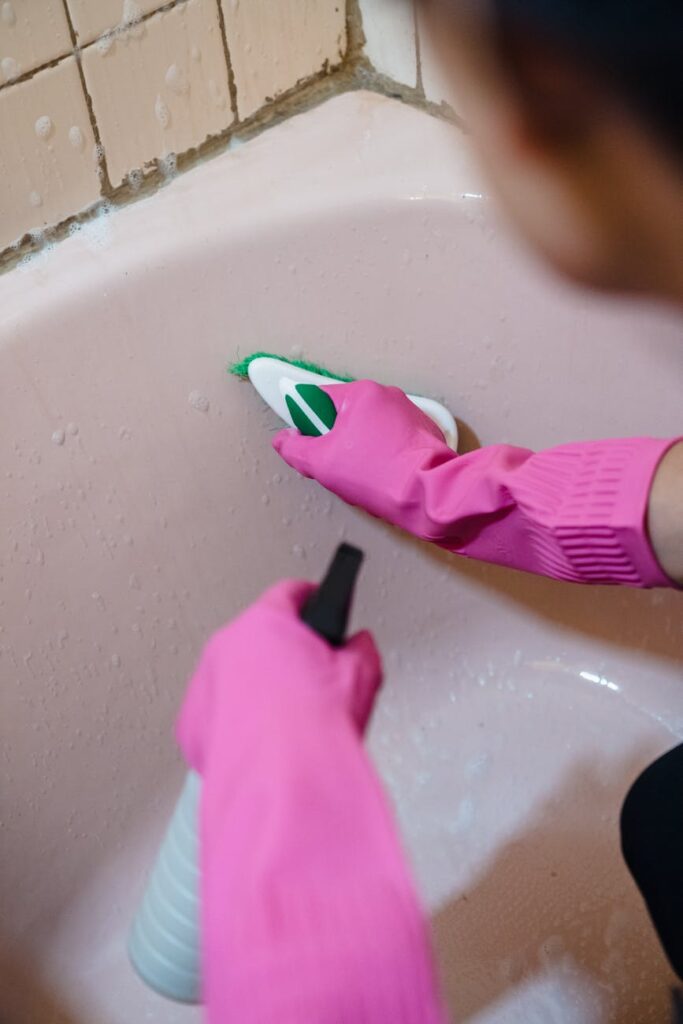
3. Scrub Gently: Use a soft cloth or sponge to scrub the mould away. Be careful not to damage the surface.
4. Rinse and Dry: Wipe the area with a damp cloth to remove any residue, and then dry thoroughly with another cloth.
Step 4: Treat the Wood
For wooden furniture:
1. Baking Soda Paste: Mix baking soda with a bit of water to create a paste. Apply this to stubborn stains and let it sit for 15 minutes before wiping it off.
2. Rubbing Alcohol Treatment: Dampen a cloth with rubbing alcohol and wipe the area to disinfect and remove lingering smells.
Step 5: Refinish if Necessary
If the damage is severe, consider sanding the affected area and applying a fresh coat of varnish or paint.
Step 6: Monitor and Maintain
Keep an eye on the treated area to ensure mould does not return. Regular cleaning and maintenance will help keep your furniture in good condition.
Best Cleaning Methods
When dealing with mould and damp, these methods are highly effective:
Common Mistakes to Avoid
1. Using Bleach: While bleach may kill mould, it doesn’t remove it and can cause further damage to porous materials.
2. Not Drying Thoroughly: Failing to dry furniture properly can lead to recurring mould issues.
3. Ignoring Ventilation: Avoid closing off spaces; ensure proper airflow to reduce humidity levels.
4. Neglecting Regular Cleaning: Regular cleaning helps to prevent the build-up of moisture and dirt, which can lead to mould growth.
Prevention Tips
1. Control Humidity: Use a dehumidifier in areas prone to dampness.
2. Improve Ventilation: Open windows and doors to promote airflow and reduce moisture.
3. Regular Maintenance: Check for leaks and fix them immediately. Clean spills right away.
4. Use Protective Covers: Consider using covers for your furniture to protect it from moisture.
5. Monitor Indoor Plants: Be cautious with indoor plants, as they can contribute to humidity levels.
Frequently Asked Questions
1. Can I use vinegar on all types of furniture?
Vinegar is generally safe for most surfaces but do a patch test first, especially on wood finishes.
2. How can I tell if the mould is gone?
The area should appear clean without any visible patches or musty odours. You can also use a moisture meter to ensure it’s dry.
3. Is mould removal a DIY task?
Yes, minor mould issues can often be handled at home, but severe cases may require professional help.
4. How often should I check for mould?
Regularly inspect furniture, especially in humid months or if you notice dampness.
5. What should I do if mould returns?
If mould returns, re-evaluate your cleaning methods and consider increasing ventilation or using a dehumidifier.
6. Can damp furniture be repaired?
Yes, depending on the extent of the damage. Minor stains can often be cleaned, while severe damage may require refinishing or replacement.
By following this guide, you can effectively manage and prevent mould and damp on your furniture, ensuring it remains clean and safe for your home. Regular maintenance and prompt action are key to keeping your living space healthy and comfortable.