
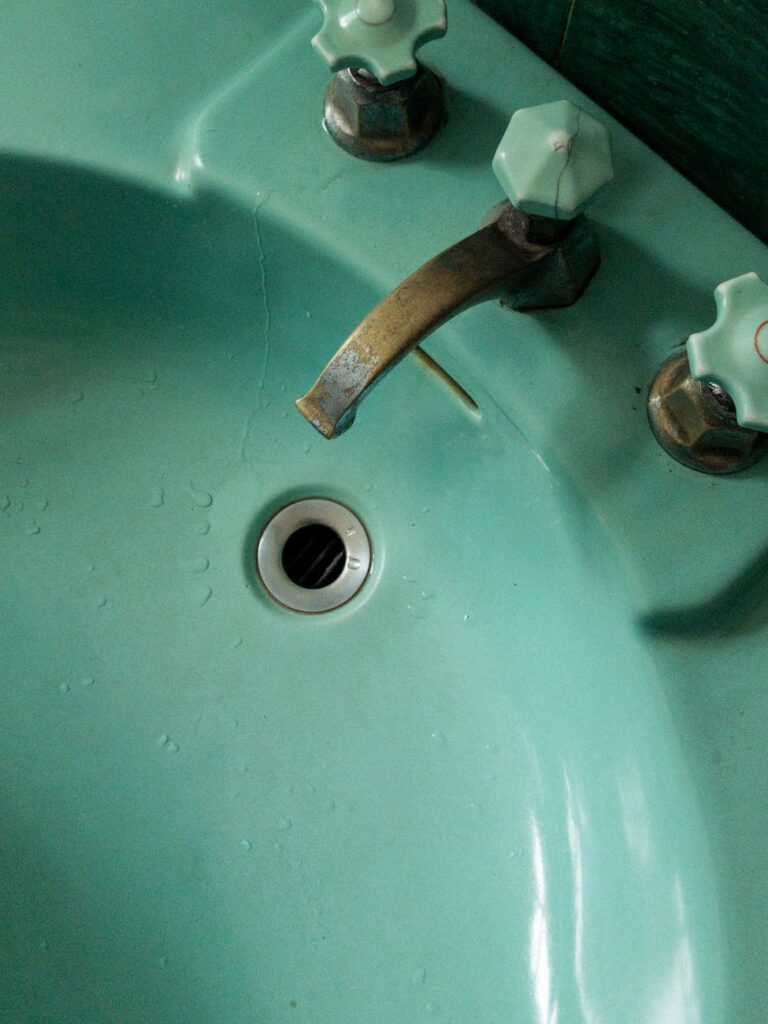
Furniture Water Stains Bathroom Guide Part 1
Introduction
Water stains on bathroom furniture can be unsightly and frustrating. Whether on wooden cabinets, mirrors, or fixtures, these stains can diminish the overall appearance of your bathroom. Fortunately, with the right approach, you can effectively tackle and prevent these stains. This guide will walk you through understanding the causes, solutions, and preventive measures for water stains in your bathroom.
What Causes Bathroom Water Stains?
The primary cause of water stains in bathrooms is moisture. High humidity levels, splashes from sinks, or improper ventilation can lead to water buildup. Here are some specific causes:
1. Condensation: When warm, moist air meets cooler surfaces, it condenses into water droplets, leading to stains.
2. Direct Contact: Water splashes from sinks or tubs can leave streaks or stains if not wiped away promptly.
3. Mineral Deposits: Hard water contains minerals that can leave behind white, chalky stains when the water evaporates.
4. Soap Scum: Residue from soaps and body washes can combine with water to create stubborn stains.
Why This Problem Happens
Water stains occur due to the nature of water itself. When water evaporates, it leaves behind any impurities or minerals it was carrying. In bathrooms, where the environment is often humid, these stains can become more pronounced. The porous nature of many furniture materials, particularly wood, makes them more susceptible to absorbing moisture, leading to discoloration and damage over time.
How to Fix Bathroom Water Stains (Step-by-Step)
Step 1: Identify the Surface
Determine the type of material you’re dealing with—wood, glass, or metal. This will dictate the cleaning method you should use.
Step 2: Gather Cleaning Supplies
You will need:
- Microfiber cloths
- White vinegar
- Baking soda
- Olive oil (for wood)
- Dish soap
- Spray bottle
- Soft-bristle toothbrush (optional)
Step 3: Prepare a Cleaning Solution
For Wooden Surfaces:
1. Mix equal parts of olive oil and white vinegar in a spray bottle.
For Glass or Metal:
1. Combine equal parts of white vinegar and water in a spray bottle.
2. Add a few drops of dish soap if the stains are heavy.
Step 4: Clean the Stains
Wooden Furniture:
1. Spray the olive oil and vinegar mixture on the stained area.
2. Use a microfiber cloth to gently rub the surface. Follow the grain of the wood.
3. Wipe off any excess solution with a dry cloth.
Glass and Metal:
1. Spray the vinegar mixture onto the stained area.
2. Let it sit for a few minutes to break down the stains.
3. Wipe clean with a microfiber cloth. For stubborn stains, use a soft-bristle toothbrush.
Step 5: Rinse and Dry
For all surfaces, rinse with clean water if necessary, and always dry the area thoroughly to prevent future stains.
Best Cleaning Methods
1. Vinegar and Baking Soda: For tough stains, sprinkle baking soda on the area first, then spray with vinegar. This creates a fizzing reaction that helps lift stains.
2. Commercial Cleaners: If home remedies don’t work, consider using a commercial cleaner designed for the specific material. Always follow the manufacturer’s instructions.
3. Steam Cleaning: For severe stains, a handheld steam cleaner can effectively lift stains without harsh chemicals, especially on tiles and glass.
Common Mistakes to Avoid
1. Using Abrasive Cleaners: Avoid steel wool or harsh scrubbers, especially on wood or glass, as they can scratch the surface.
2. Ignoring the Material: Not tailoring your cleaning approach to the specific type of surface can lead to damage.
3. Neglecting Drying: Failing to dry surfaces after cleaning can cause new stains to form.
4. Overusing Products: Using too much cleaning solution can create residue that attracts more dirt and moisture.
Prevention Tips
1. Improve Ventilation: Use exhaust fans or open windows during and after showers to reduce humidity levels.
2. Wipe Down Surfaces: After using sinks or tubs, quickly wipe down surfaces to remove excess water.
3. Seal Wooden Surfaces: Regularly apply a sealant to wooden furniture to provide a barrier against moisture.
4. Use a Squeegee: For glass surfaces, use a squeegee after each shower to minimize water buildup.
5. Regular Cleaning: Set a schedule for regular cleaning to prevent stains from becoming ingrained.
Frequently Asked Questions
1. How often should I clean my bathroom to prevent water stains?
Aim for a weekly cleaning routine, with extra attention to high-moisture areas like sinks and showers.
2. Can I use bleach to remove water stains?
Bleach is not recommended for water stains, especially on wood, as it can cause discoloration and damage. Stick to milder cleaning solutions.
3. What if my water stains are old and ingrained?
For old stains, consider using a commercial cleaner specifically designed for tough stains, or consult a professional cleaning service if necessary.
4. Are there any natural alternatives to commercial cleaners?
Yes, vinegar and baking soda are effective natural alternatives, as well as lemon juice and essential oils for added fragrance.
5. How can I tell if my wood furniture is damaged from water stains?
Look for discoloration, warping, or peeling finish. If you notice these signs, you may need to refinish or replace the affected area.
6. What’s the best way to maintain my bathroom to avoid future stains?
Regular maintenance, including cleaning, sealing wood surfaces, and ensuring proper ventilation, will help prevent future water stains effectively.
—
By following these guidelines, you can effectively manage and prevent water stains in your bathroom, maintaining a clean and inviting space. Remember, consistency is key to keeping your bathroom furniture looking its best.