
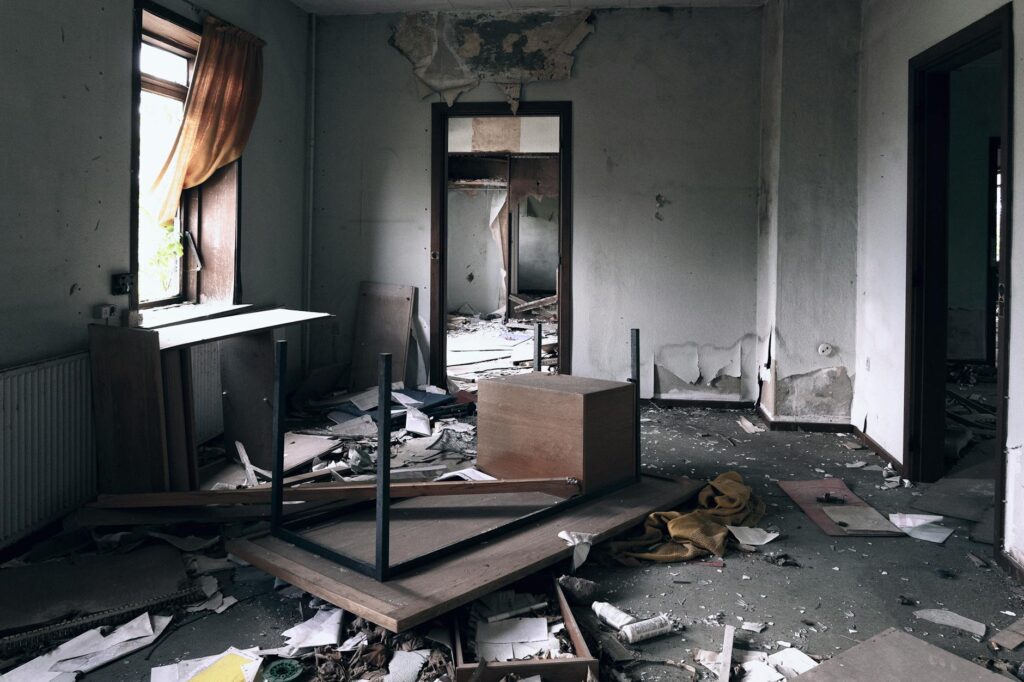
Furniture Water Damage Odours Guide Part 2
Introduction
Water damage can leave more than just physical marks on your furniture; it can also lead to persistent odours that are both unpleasant and difficult to eliminate. Whether it’s from a leaky roof, flooding, or a plumbing issue, understanding the source of these smells is crucial for effective cleaning. In this guide, we will explore the causes of odours resulting from water damage, how to fix them, and best practices for prevention.
What Causes Odours?
Odours from water-damaged furniture primarily stem from:
1. Mold and Mildew: Excess moisture creates an ideal environment for mold and mildew growth, which can emit musty smells.
2. Wood Rot: Deteriorating wood can produce a foul odour as it breaks down.
3. Trapped Moisture: Water trapped in upholstery or porous materials can lead to unpleasant smells.
4. Bacteria Growth: Bacteria thrive in damp conditions, contributing to odours.
Understanding these causes is the first step in addressing the problem effectively.
Why This Problem Happens
Water-damaged furniture often retains moisture, which can linger long after the initial incident. Factors that contribute to persistent odours include:
- Inadequate Drying: Not fully drying out the affected areas allows moisture to persist, leading to ongoing odour issues.
- Material Composition: Some materials, such as certain types of upholstery and untreated wood, are more susceptible to water damage and odours than others.
- Environmental Conditions: Humid environments can exacerbate odour problems, making it crucial to address moisture levels in the surrounding area.
- Inspect the Furniture: Check for visible signs of water damage, such as stains or discoloration.
- Smell Test: Get a sense of the odour’s strength and source; try to identify if it’s localized to a specific area.
- Air Dry: If possible, take the furniture outside on a dry, sunny day. Ensure good airflow around it.
- Use Fans: Place fans around the furniture to increase air circulation.
- Dehumidifier: If indoors, use a dehumidifier to help remove moisture from the air.
- Vacuum: Use a vacuum with a HEPA filter to remove dust, dirt, and mold spores from the surface.
- Use a Cleaning Solution: Mix equal parts of white vinegar and water. Dampen a cloth with the solution and wipe down the affected areas. Vinegar neutralizes odours and has antifungal properties.
- Apply Baking Soda: Sprinkle baking soda liberally on the affected area. Let it sit for at least an hour before vacuuming. This will absorb moisture and odours.
- Commercial Mold Remover: If necessary, use a store-bought mold and mildew remover, following the manufacturer’s instructions.
- Activated Charcoal: Place bowls of activated charcoal around the furniture. It absorbs odours effectively.
- Essential Oils: Add a few drops of essential oils like tea tree, lavender, or eucalyptus to a diffuser near the furniture to mask any lingering smells.
- Follow Up: After a few days, check for any remaining odours. If necessary, repeat the cleaning process.
- Not Fully Drying the Furniture: Always ensure that the furniture is completely dry before proceeding with cleaning.
- Using Too Much Water: Excess moisture can aggravate the problem. Use damp, not wet, cloths.
- Ignoring the Surrounding Environment: If the room is humid, it’ll be harder to eliminate odours. Control the humidity to aid the drying process.
- Neglecting Regular Maintenance: Ensure your furniture is regularly cleaned and checked for moisture.
- Immediate Action: Address any water leaks or spills immediately to reduce the risk of damage.
- Use Waterproof Covers: Consider using waterproof covers for furniture in areas prone to moisture.
- Maintain Low Humidity: Use dehumidifiers in damp areas and ensure proper ventilation to reduce moisture levels.
- Regular Inspections: Frequently check for signs of water damage or leaks in your home.
Recognizing these factors will help you take informed steps to resolve the issue.
How to Fix Odours (Step-by-Step)
Step 1: Assess the Damage
Step 2: Dry the Furniture
Step 3: Clean the Affected Areas
Step 4: Treat for Mold and Mildew
Step 5: Eliminate Odours
Step 6: Recheck
Best Cleaning Methods
1. Vinegar and Water Solution: A natural and effective way to clean and deodorize.
2. Baking Soda: Ideal for absorbing and neutralizing smells.
3. Commercial Odour Eliminators: Look for products specifically designed for water damage and mold.
Common Mistakes to Avoid
Prevention Tips
Frequently Asked Questions
1. How long does it take for water-damaged furniture to smell?
The time can vary depending on the material and the extent of the damage, but if not treated, odours can develop within 48 hours after exposure to moisture.
2. Can I use bleach to eliminate odours?
Bleach can kill mold and bacteria but may not eliminate the source of the odour. It can also damage some materials. Use with caution and consider alternatives like vinegar or baking soda.
3. How do I know if mold is present?
Signs of mold include visible patches, a musty smell, and discoloration on or around the furniture. If you suspect mold, consider seeking professional help.
4. Is it worth trying to salvage water-damaged furniture?
If the furniture has sentimental value or is of high quality, it may be worth salvaging. However, if the damage is extensive and the furniture is unsalvageable, it might be best to replace it.
5. What are the best materials for furniture in humid areas?
Materials like treated wood, metal, and synthetic fabrics are more resistant to moisture, making them suitable for humid environments.
6. When should I seek professional help for water-damaged furniture?
If the damage is extensive, if mold is present, or if you are unsure how to proceed, seeking professional restoration services is advisable.
By following this comprehensive guide, you can tackle the odours caused by furniture water damage effectively. With prompt action, proper cleaning methods, and preventive measures, you can restore your furniture and maintain a fresh-smelling home.