
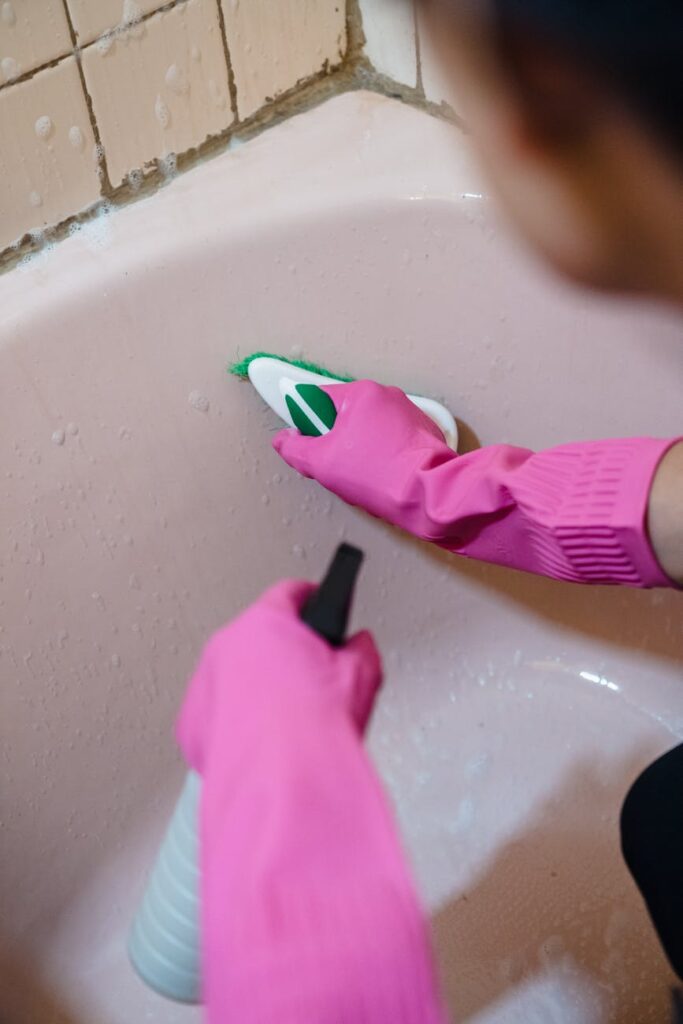
Furniture Water Damage Mould & Damp Guide Part 1
Introduction
Mould and damp can wreak havoc on your furniture, leading to unsightly stains, unpleasant odors, and even structural damage. Understanding how to identify, fix, and prevent these issues is crucial for maintaining a healthy home environment. This guide will walk you through the causes of mould and damp, effective cleaning methods, common mistakes to avoid, and tips for prevention.
What Causes Mould & Damp?
Mould and damp primarily arise from excess moisture in the environment. Here are the main culprits:
- Humidity: High humidity levels, often from weather conditions or poor ventilation, can create an ideal breeding ground for mould.
- Leaks: Water leaks from roofs, pipes, or appliances can soak furniture and surrounding areas, leading to mould growth.
- Condensation: Poor insulation or temperature changes can cause condensation, especially on cold surfaces like windows, which may drip onto furniture.
- Flooding: Natural disasters or plumbing failures can introduce significant water damage to your home, making it a prime target for mould.
- Protective gloves and mask
- Soft brush or cloth
- Vacuum cleaner with a HEPA filter
- Cleaning solution (white vinegar, baking soda, or commercial mould remover)
- Spray bottle
- Warm water
- Fans or dehumidifiers
- White Vinegar: An effective and natural mould killer that is safe for most surfaces.
- Baking Soda: A gentle abrasive that helps scrub away mould without damaging the surface.
- Commercial Mould Removers: These can be effective for extensive mould infestations. Always test in an inconspicuous area first.
- Steam Cleaning: High temperatures can kill mould spores, but ensure the furniture is suitable for steam cleaning.
- Ignoring Small Spots: Small patches can quickly grow into bigger problems if not addressed immediately.
- Using Too Much Water: Excessive moisture can worsen the situation, especially with wooden furniture.
- Neglecting Ventilation: Always ensure proper airflow during and after cleaning; stagnant air can trap moisture.
- Skipping Protective Gear: Mould can be harmful; always wear gloves and a mask when cleaning.
- Control Humidity: Aim for indoor humidity levels between 30-50%. Use dehumidifiers in damp areas.
- Improve Ventilation: Regularly open windows and use exhaust fans in kitchens and bathrooms.
- Seal Leaks Promptly: Address any water leaks in your home immediately to prevent moisture build-up.
- Store Furniture Properly: Avoid placing furniture directly against walls; this can trap moisture.
- Regular Maintenance: Inspect furniture regularly for signs of damp or mould, especially in humid months.
Why This Problem Happens
Mould spores are ubiquitous in our environment. They thrive in damp, dark environments, particularly when organic materials (such as wood or fabric) are present. When furniture gets wet and is not dried properly, it becomes a breeding ground for mould.
Moreover, a lack of ventilation exacerbates the problem. In areas with limited airflow, moisture accumulates, making it hard for surfaces to dry out completely.
How to Fix Mould & Damp (Step-by-Step)
Step 1: Assess the Damage
Check your furniture for visible signs of mould, such as dark patches or a musty smell. If you suspect you have damp or mould, take a closer look at the affected area.
Step 2: Gather Your Supplies
You will need:
Step 3: Remove Furniture from the Area
Move the affected furniture to a well-ventilated area. If possible, take it outside to better manage the clean-up process.
Step 4: Dry the Area
Ensure the area is well-ventilated. Use fans or a dehumidifier to reduce moisture and speed up the drying process.
Step 5: Clean the Mould
1. For Light Mould: Mix equal parts of water and white vinegar in a spray bottle. Spray the affected area and let it sit for about an hour. Wipe clean with a soft cloth.
2. For Heavier Mould: Create a paste using baking soda and water. Apply the paste to the mouldy area, scrub gently with a soft brush, then wipe clean with a damp cloth.
3. Commercial Cleaners: Use a mould remover if the previous methods do not work. Follow the manufacturer’s instructions carefully.
Step 6: Dry Thoroughly
After cleaning, ensure the furniture dries completely. This may take several hours or longer, depending on the material and humidity levels.
Step 7: Inspect and Repair
Once dry, inspect the furniture for any damage. Minor scratches can be sanded down and refinished. For severe damage, consider consulting a professional.
Best Cleaning Methods
Common Mistakes to Avoid
Prevention Tips
Frequently Asked Questions
1. How can I tell if my furniture has mould?
Look for dark spots, a musty smell, or peeling paint. If you notice any of these signs, it’s time to investigate further.
2. Can I use bleach to clean mould off furniture?
While bleach can kill mould, it often doesn’t penetrate porous materials, leaving roots behind. It’s better to use vinegar or baking soda.
3. Is it safe to clean mould myself?
Yes, as long as you take proper precautions like wearing gloves and a mask. For extensive infestations, consider hiring a professional.
4. How can I prevent mould from returning?
Control humidity, ensure proper ventilation, and regularly check for leaks or signs of damp.
5. What materials are most susceptible to mould?
Wood, fabric, and upholstery are particularly vulnerable to mould when exposed to moisture.
6. How long does it take for mould to grow on furniture?
Mould can begin to grow within 24-48 hours of moisture exposure, so it’s crucial to act quickly.
By understanding mould and damp issues and following these practical steps, you can effectively protect your furniture and maintain a healthy living environment. Stay tuned for Part 2, where we’ll delve even deeper into advanced cleaning techniques and solutions.