
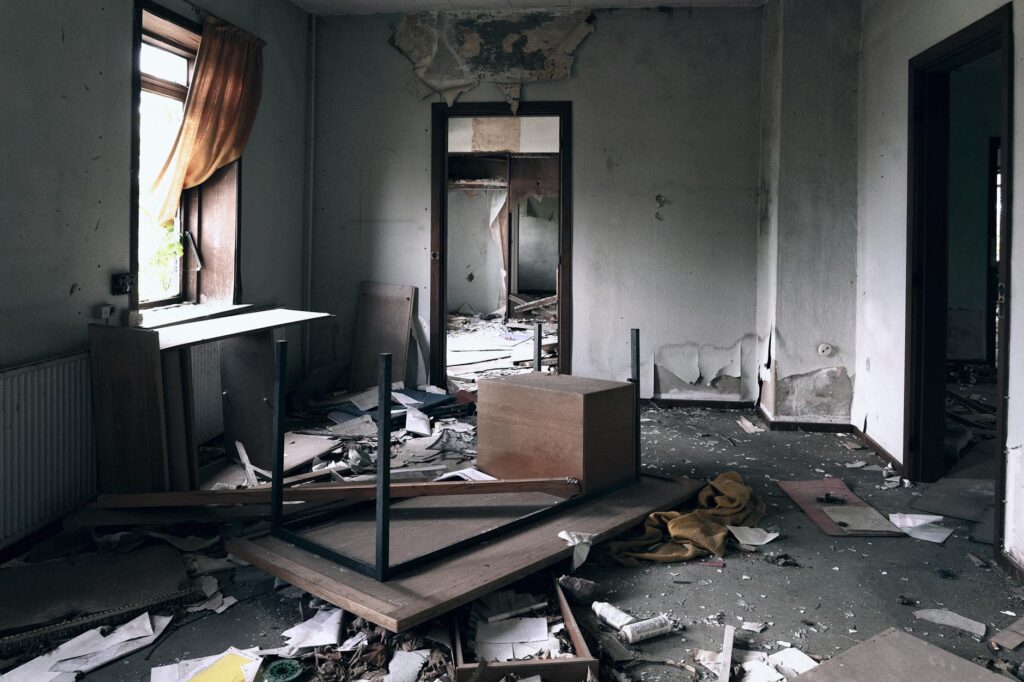
Furniture Water Damage Cleaning Guide Part 2
Introduction
Water damage can wreak havoc on your furniture, from unsightly stains to warped surfaces. Understanding how to effectively clean and restore your furniture after water exposure is crucial for maintaining its longevity and appearance. In this guide, we’ll explore what causes water damage, why it happens, actionable steps to fix it, and tips to prevent future issues.
What Causes Cleaning?
Water damage in furniture can arise from various sources, including:
- Spills: Accidental spills from drinks, food, or cleaning solutions.
- Leaks: Roof leaks, plumbing issues, or drips from nearby appliances.
- Humidity: Excess moisture in the air can seep into porous materials.
- Flooding: Severe weather or plumbing failures can lead to significant water exposure.
- Stains: Water can leave behind marks that are difficult to remove.
- Warping: Wood can swell, crack, or bend when exposed to moisture.
- Mold and Mildew: High humidity levels or standing water can encourage mold growth.
- Odors: Damp furniture can develop musty smells.
- Inspect the Furniture: Examine the affected area for stains, warping, or mold.
- Identify Material: Determine if your furniture is made of wood, fabric, or another material, as cleaning methods will vary.
- Soft cloths or towels
- Mild detergent
- Vinegar
- Baking soda
- Wood polish (for wooden furniture)
- Rubbing alcohol (for fabric)
- Fan or dehumidifier
- Blot, Don’t Rub: Use a soft cloth to blot the area, absorbing as much moisture as possible.
- Use a Fan: Place a fan nearby to circulate air and aid drying.
- Inspect for Mold: If you notice any dark spots or a musty smell, you may have mold.
- Use Rubbing Alcohol: Dab the moldy area with rubbing alcohol on a cloth. Allow it to sit for a few minutes and wipe clean.
- Dispose of Contaminated Items: If the mold persists or you have serious infestations, consider discarding affected items.
- Polish Wooden Surfaces: After cleaning, apply a suitable wood polish to restore shine and protect the surface.
- Consider Reupholstering: For fabrics heavily damaged, reupholstering might be a better long-term solution.
- Mild Detergent and Water: Generally safe for most surfaces.
- Vinegar Solution: Effective for both cleaning and deodorizing.
- Baking Soda: Excellent for absorbing odors—sprinkle it on fabric and vacuum after a few hours.
- Heat: For stubborn stains, a warm iron (with a cloth barrier) can help lift stains from fabric.
- Use Coasters: Protect surfaces from spills by using coasters under glasses and mugs.
- Regular Maintenance: Check for leaks and humidity levels regularly.
- Seal Wooden Furniture: Apply sealants to wooden surfaces to create a barrier against moisture.
- Invest in a Dehumidifier: This can help maintain optimal humidity levels in your home.
Identifying the source of the water damage is essential for effective cleaning and restoration.
Why This Problem Happens
Water damage can lead to several issues that compromise the integrity of your furniture:
Understanding these risks is vital for homeowners to act quickly and effectively.
How to Fix Cleaning (Step-by-Step)
Here’s a comprehensive step-by-step guide to cleaning furniture affected by water damage:
Step 1: Assess the Damage
Step 2: Gather Cleaning Supplies
You will need:
Step 3: Remove Excess Water
Step 4: Clean the Stained Area
For Wooden Furniture:
1. Mix a Solution: Combine a few drops of mild detergent with water.
2. Dampen a Cloth: Soak a cloth in the solution, wring it out, and gently wipe the stain.
3. Rinse: Use a separate damp cloth to rinse off any soap residue.
4. Dry Thoroughly: Wipe with a dry cloth and let it air dry completely.
For Fabric Furniture:
1. Make a Vinegar Solution: Mix equal parts vinegar and water.
2. Dab the Stain: Using a cloth, dab the solution onto the stained area, avoiding saturation.
3. Blot with Water: After a few minutes, blot with a cloth dampened with plain water.
4. Dry: Let the area air dry, using a fan if necessary.
Step 5: Check for Mold
Step 6: Restore and Protect
Best Cleaning Methods
Common Mistakes to Avoid
1. Using Harsh Chemicals: Avoid bleach or strong solvents, as they can damage finishes.
2. Over-Saturating: Don’t soak furniture, as excess water can lead to further damage.
3. Ignoring the Source: Always address the root cause of water exposure to prevent recurrence.
4. Neglecting Drying: Failing to thoroughly dry furniture can lead to mold growth.
Prevention Tips
Frequently Asked Questions
1. Can I use a hairdryer to dry my furniture?
Using a hairdryer is not recommended, as the heat can cause further damage. Instead, use a fan or let it air dry naturally.
2. How do I know if my furniture is beyond repair?
If the wood is severely warped or there are extensive mold infestations, it may be best to replace the furniture rather than attempt repairs.
3. What’s the best way to prevent water damage?
Maintain a stable indoor climate, fix leaks promptly, and use protective coatings on furniture.
4. Can I use bleach to clean mold off my furniture?
No, bleach can damage finishes and fabric. Use rubbing alcohol or a vinegar solution instead.
5. Is it safe to use essential oils in cleaning solutions?
While essential oils can be safe, they should be used cautiously and tested on a small area first to avoid staining.
6. What should I do if my furniture starts to smell musty after water exposure?
Baking soda can help absorb odors. Sprinkle it on the affected area, let it sit, and vacuum afterward.
By following these guidelines, you can effectively clean and restore your furniture after water damage, ensuring it remains a valuable part of your home for years to come.