
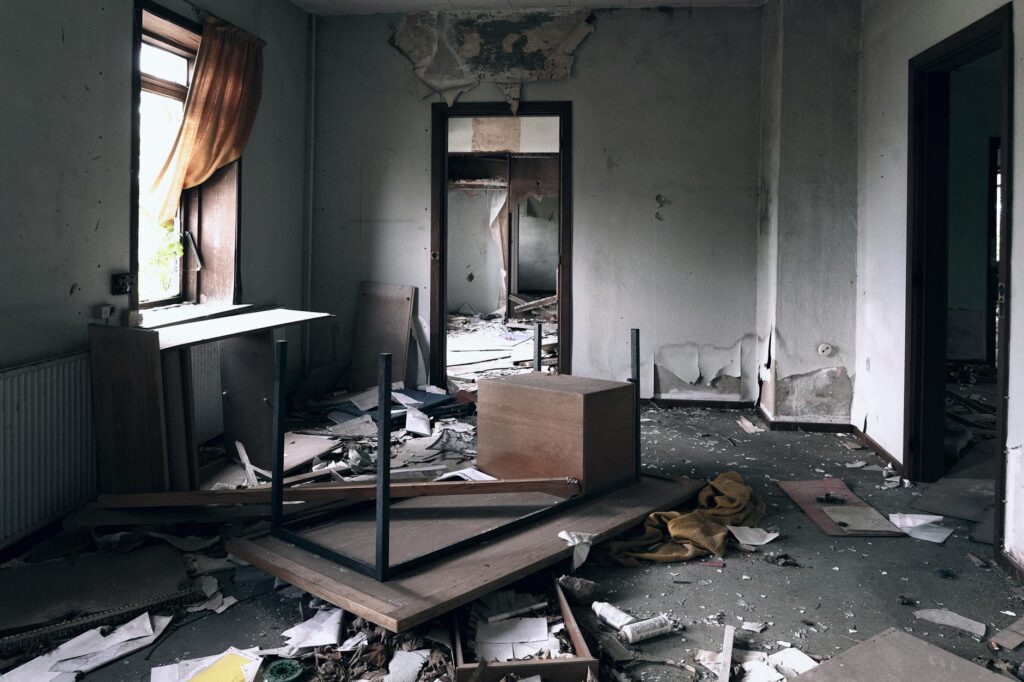
Furniture Water Damage Bathroom Guide Part 2
Introduction
Water damage in the bathroom can lead to serious issues, especially when it comes to furniture. Whether it’s a wooden vanity, a shelving unit, or a decorative piece, exposure to moisture can cause warping, staining, and even mold growth. This guide will help you identify the causes of water damage, how to fix it, and most importantly, how to prevent it.
What Causes Bathroom Water Damage?
Several factors can contribute to furniture water damage in the bathroom:
1. High Humidity: Bathrooms naturally have high humidity levels due to hot showers and baths. This moisture can seep into wooden furniture over time.
2. Leaky Pipes: A common culprit, leaks in plumbing can result in water pooling around and under furniture.
3. Condensation: When warm air meets cold surfaces, condensation forms. This can drip onto furniture, leading to damage.
4. Improper Ventilation: Insufficient airflow can exacerbate humidity, making it easier for water damage to occur.
5. Spills: Accidental spills of water or cleaning products can also lead to localized damage.
Why This Problem Happens
Understanding why water damage occurs is essential for effective prevention and repair. Here are the main reasons:
- Material Sensitivity: Wood and certain fabrics are particularly vulnerable to water. They can absorb moisture, leading to warping and rot.
- Temperature Fluctuations: Bathrooms often have temperature changes, causing materials to expand and contract. This can create gaps and allow moisture to enter.
- Neglect: Regular maintenance is often overlooked. Failing to address leaks or humidity issues can lead to bigger problems.
- Poor Installation: Improperly installed fixtures can lead to leaks that go unnoticed for extended periods.
- Inspect the Area: Look for signs of water damage, such as discoloration, warping, or mold.
- Check for Mold: If you see mold, take necessary precautions and consider professional help if the infestation is extensive.
- Clear the Area: Remove any items from the damaged furniture to prevent further damage and make repairs easier.
- Use Fans: Place fans around the area to improve airflow and help dry out moisture.
- Dehumidifier: If possible, use a dehumidifier to lower humidity levels.
- Mild Detergent: Use a mixture of warm water and mild detergent to clean the affected area. Avoid harsh chemicals that can damage the finish.
- Soft Cloth: Wipe gently with a soft cloth to avoid scratching.
- For Minor Swelling: If the wood is slightly swollen, you can gently sand it down once it’s completely dry.
- Stains: Use a wood stain that matches your furniture to cover any discoloration.
- Sealant: Apply a wood sealant to protect against future moisture.
- Replace Items: Once everything is dry and repaired, carefully return items to their places.
How to Fix Bathroom Water Damage (Step-by-Step)
If you discover water damage to your bathroom furniture, follow these steps to address it:
Step 1: Assess the Damage
Step 2: Remove Affected Items
Step 3: Dry the Area
Step 4: Clean the Surface
Step 5: Repair the Damage
Step 6: Reassemble
Best Cleaning Methods
When dealing with water-damaged furniture, the following cleaning methods are most effective:
1. Soap and Water: A simple solution for cleaning surfaces without damaging the finish.
2. Vinegar and Water: A natural disinfectant that can help remove mild mold and odors. Mix equal parts vinegar and water in a spray bottle.
3. Baking Soda: For stubborn stains, sprinkle baking soda on the area, let it sit, and then wipe clean.
4. Commercial Cleaners: If necessary, use cleaners specifically designed for wooden furniture, but always test in an inconspicuous area first.
Common Mistakes to Avoid
1. Ignoring Small Leaks: Even minor leaks can lead to significant damage over time.
2. Using Harsh Chemicals: Strong cleaners can damage finishes and worsen the problem.
3. Neglecting Ventilation: Always ensure that your bathroom is well-ventilated to reduce humidity levels.
4. Delaying Repairs: The longer you wait to address water damage, the worse it can become.
5. Overloading Shelves: Avoid placing heavy items on shelves that are prone to moisture exposure.
Prevention Tips
To prevent water damage in your bathroom furniture, consider the following:
1. Install a Ventilation Fan: This will help reduce humidity after showers.
2. Use a Dehumidifier: Particularly in smaller bathrooms, a dehumidifier can help keep moisture levels low.
3. Regular Inspections: Check for leaks and moisture buildup regularly.
4. Seal Wood Furniture: Applying a waterproof sealant can protect wooden furniture from moisture.
5. Avoid Carpeting: If possible, use water-resistant flooring instead of carpet, which can trap moisture.
6. Wipe Up Spills Immediately: Don’t allow water to sit on surfaces for extended periods.
Frequently Asked Questions
1. How can I tell if my furniture is water-damaged?
Signs include discoloration, warping, peeling paint, or mold growth. If the wood feels soft or spongy, it’s likely damaged.
2. Can I fix water damage myself?
Yes, minor water damage can often be repaired with cleaning, drying, and refinishing. However, extensive damage may require professional help.
3. How long does it take for water damage to show?
Water damage can become apparent within hours, but it may take weeks or months for more severe issues like mold to develop.
4. Is there a way to prevent mold from forming?
Yes, keep the bathroom well-ventilated, use mold-resistant products, and address leaks promptly to prevent mold growth.
5. What is the best type of furniture for a bathroom?
Opt for moisture-resistant materials like metal, glass, or specially treated wood designed for high-humidity environments.
6. When should I call a professional for water damage?
If the damage is extensive, if mold is present, or if you notice structural issues, it’s best to hire a professional to handle repairs safely.
In summary, dealing with water damage in bathroom furniture requires prompt action and preventive measures. By following the steps outlined in this guide, you can effectively manage water damage and ensure your bathroom furniture remains in good condition for years to come.