
Furniture Water Damage Bathroom Guide Part 1
Introduction
Water damage in the bathroom can wreak havoc on your furniture, leading to unsightly stains, warping, and even mold growth. This guide aims to equip you with practical solutions to combat water damage effectively. Whether it’s your vanity, cabinets, or shelves, understanding the causes, remedies, and prevention methods will help you maintain a clean and functional bathroom.
What Causes Bathroom Water Damage?
Several factors can contribute to water damage in the bathroom:
1. Leaky Pipes: Old or damaged plumbing can lead to leaks that seep into furniture.
2. High Humidity: Bathrooms are naturally humid spaces, which can cause furniture materials to absorb moisture.
3. Condensation: Showers and baths create steam that condenses on surfaces, leading to dampness.
4. Flooding: Overflowing sinks or tubs can lead to sudden water exposure.
5. Poor Ventilation: Lack of airflow can exacerbate moisture problems.
Understanding these causes will help you identify potential issues before they escalate.
Why This Problem Happens
Water damage occurs primarily due to the porous nature of many furniture materials. Wood, for example, can absorb moisture, leading to swelling and warping. Additionally, if furniture is not treated with waterproof finishes, it becomes more susceptible to damage. Humidity levels in bathrooms can be high, and without proper ventilation, even minor leaks can escalate into significant damage.
How to Fix Bathroom Water Damage (Step-by-Step)
Fixing water-damaged furniture is crucial to restoring both its appearance and functionality. Here’s a step-by-step guide:
Step 1: Assess the Damage
Examine the affected furniture thoroughly. Look for:
- Warping or bending
- Stains or discoloration
- Mold or mildew
- Air Dry: Allow the furniture to dry naturally in a well-ventilated space.
- Use a Fan: Directing airflow can speed up the drying process.
- Dehumidifier: Running a dehumidifier can help eliminate excess moisture in the air.
- For Minor Warping: If the furniture is only slightly warped, you can apply moisture to the affected area, then place a heavy object on it until it dries.
- For Stains: Use furniture polish or a wood restorer to minimize the appearance of water stains.
- For Mold: If mold persists, consider using a specialized mold remover.
- Vinegar and Water: A natural disinfectant that helps remove stains and odors.
- Baking Soda Paste: Mix baking soda with water for a gentle abrasive cleaner.
- Commercial Mold Removers: Use these for severe mold infestations but follow all safety guidelines.
- Furniture Polish: Use to restore shine and protect against future moisture.
- Install a Vent Fan: Ensure your bathroom has adequate ventilation to reduce humidity levels.
- Use Waterproof Materials: Opt for water-resistant furniture and finishes.
- Fix Leaks Promptly: Don’t ignore dripping faucets or leaky pipes; address them immediately.
- Wipe Down Surfaces: After showers or baths, wipe down furniture to remove excess moisture.
- Monitor Humidity Levels: Use a hygrometer to keep an eye on humidity levels and take action when necessary.
- Look for signs like warping, discoloration, or a musty smell.
- Yes, many minor repairs can be done at home with the right cleaning products and techniques.
- If the damage is extensive and structural, replacement may be necessary. For minor issues, repairs can often suffice.
- Ensure proper ventilation, clean regularly, and address leaks promptly.
- Use a mixture of water and vinegar or a commercial mold remover, then dry the area thoroughly.
- Look for marine-grade varnish or polyurethane finishes designed for high-moisture areas.
Take note of the severity of the damage to determine your next steps.
Step 2: Remove the Furniture
Carefully remove the water-damaged furniture from the bathroom to prevent further exposure. Place it in a well-ventilated area where it can dry out.
Step 3: Dry the Furniture
Use towels to blot any visible water. For more extensive moisture:
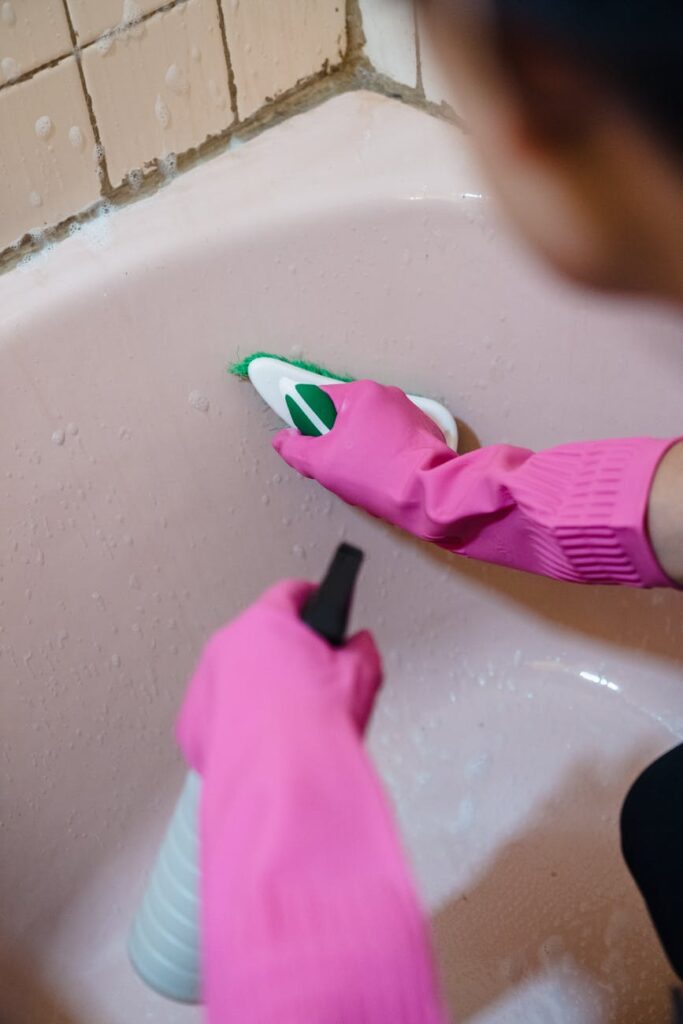
Step 4: Clean the Affected Area
For surfaces that show stains or mold:
1. Prepare a Cleaning Solution: Mix equal parts water and white vinegar in a spray bottle or use a mild detergent.
2. Apply the Solution: Spray the affected areas and gently scrub with a soft cloth.
3. Rinse and Dry: Wipe with clean water and dry thoroughly.
Step 5: Repair and Restore
Step 6: Refinish (if necessary)
If the damage is extensive, consider sanding and refinishing the entire surface. This process involves:
1. Sanding down the damaged area until smooth.
2. Applying a primer suitable for moisture-prone areas.
3. Finishing with a waterproof sealant or paint.
Best Cleaning Methods
Common Mistakes to Avoid
1. Neglecting Regular Inspections: Don’t wait for visible damage. Regular checks can help catch issues early.
2. Using Harsh Chemicals: Avoid bleach and other strong chemicals that can damage finishes.
3. Ignoring Ventilation: Always ensure proper airflow in the bathroom to minimize humidity.
4. Not Sealing Furniture: If your furniture is made of wood, apply a waterproof sealant to protect it from moisture.
5. Forgetting to Dry: Never leave wet furniture in the bathroom; always dry it thoroughly.
Prevention Tips
Frequently Asked Questions
1. How can I tell if my furniture is water-damaged?
2. Can I fix water-damaged furniture myself?
3. Should I replace my furniture if it’s water-damaged?
4. How can I prevent mold from forming on my bathroom furniture?
5. What’s the best way to clean mold off furniture?
6. Is there a specific type of finish that can help protect wood furniture in the bathroom?
By following these guidelines, you can tackle water damage in your bathroom effectively and maintain a clean, safe environment. Stay proactive to protect your furniture from the damaging effects of moisture.