
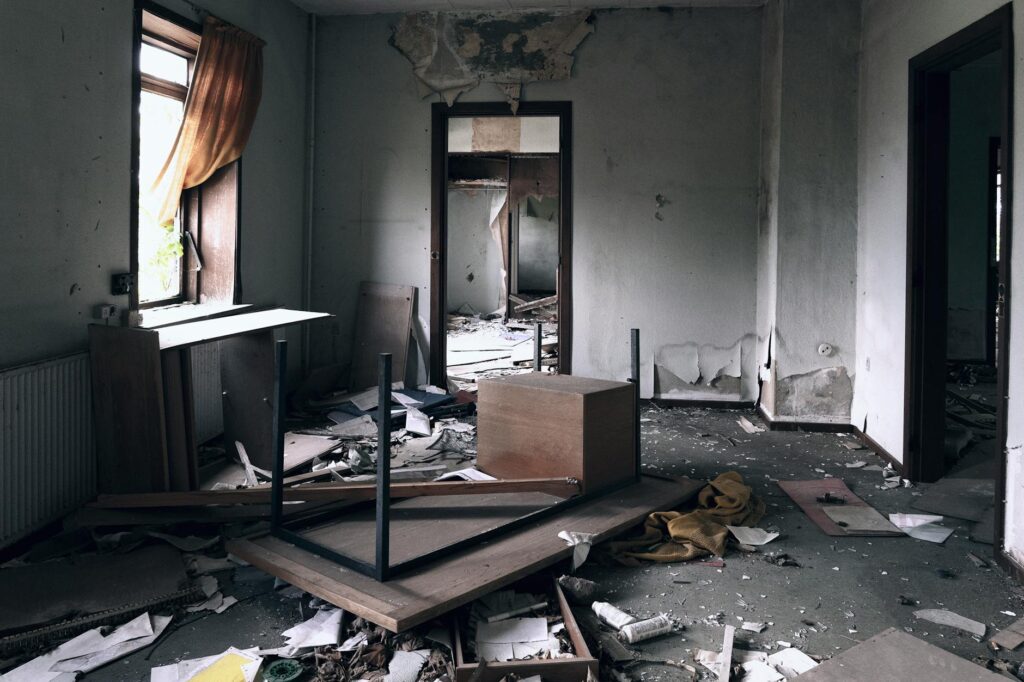
Furniture Water Damage Appliances Guide Part 2
Introduction
Water damage can wreak havoc on furniture and appliances in your home. While we often think of water damage in terms of structural issues, appliances can also become victims, leading to costly repairs and replacements. In this guide, we will explore what causes appliances to suffer from water damage, how to fix these issues, and best practices for preventing future problems.
What Causes Appliances?
Several factors can contribute to water damage in appliances. Here are the most common culprits:
1. Leaking Hoses: Many appliances, such as washing machines and dishwashers, use hoses to transport water. Over time, these hoses can wear out or become loose, leading to leaks.
2. Condensation: Refrigerators and freezers often produce condensation, especially in humid environments. If not properly managed, this moisture can lead to water damage.
3. Blocked Drainage: Appliances like dishwashers and refrigerators have drainage systems that can become clogged. When these systems fail, water can back up and overflow.
4. Flooding: Severe weather or plumbing failures can cause flooding, which may directly affect your appliances.
5. Improper Installation: If an appliance is not correctly installed, it may be more susceptible to water damage due to poor drainage or seal failures.
Why This Problem Happens
Understanding why water damage occurs can help you prevent it. Here are some reasons:
- Wear and Tear: Appliances have a lifespan, and as they age, their components may fail, leading to leaks.
- Poor Maintenance: Regular maintenance can prolong the life of your appliances. Neglecting this can lead to issues that cause water damage.
- Humidity: High humidity levels can exacerbate condensation issues, especially in kitchen and laundry areas.
- Improper Use: Using appliances in ways they are not designed for can lead to malfunction and subsequent water damage.
- Hoses: If you find a damaged hose, replace it. Make sure to choose the correct length and type for your appliance.
- Seals: Inspect rubber gaskets and seals for wear. If they appear cracked or brittle, replace them to stop leaks.
- Drainage: Clear any clogs in drainage systems. Use a wet/dry vacuum to remove excessive water.
- Soap and Water: Use a mild detergent mixed with water to wipe down surfaces. This will help remove any stains or residues.
- Vinegar Solution: For tougher stains, mix equal parts vinegar and water. Spray on the area, let it sit for a few minutes, then wipe clean.
- Baking Soda Paste: Create a paste with baking soda and water. Apply it to any moldy areas. Let it sit for a couple of hours before scrubbing and rinsing.
- Hydrogen Peroxide: Use a solution of hydrogen peroxide (3%) to disinfect and remove mold. Spray it on, let it sit for 10 minutes, then wipe away.
- Ignoring Maintenance: Skipping regular maintenance can lead to bigger problems. Schedule routine checks for hoses and seals.
- Overloading Appliances: Overloading washing machines or dishwashers can strain components and lead to leaks.
- Neglecting Humidity: Failing to manage humidity can exacerbate condensation issues. Use dehumidifiers if necessary.
- DIY Repairs Without Knowledge: Attempting complex repairs without understanding the appliance can lead to further damage. Consult a professional if unsure.
How to Fix Appliances (Step-by-Step)
If you’ve discovered water damage in your appliances, follow these steps to address the issue:
Step 1: Disconnect Power and Water Supply
Before you start any repairs, disconnect the power supply and shut off the water to prevent electrical hazards.
Step 2: Identify the Source of the Leak
Look for visible signs of water damage, such as pooled water or damp areas. Check hoses, seals, and connections for leaks.
Step 3: Repair or Replace Damaged Parts
Step 4: Dry the Area
Use towels or a wet/dry vacuum to soak up any remaining water. Allow the area to dry completely to prevent mold growth.
Step 5: Test the Appliance
After repairs, reconnect the water supply and power. Run the appliance to ensure that the issue has been resolved.
Best Cleaning Methods
Once you’ve dealt with the immediate water damage, it’s essential to clean the affected areas to prevent any lingering problems.
General Cleaning:
Mold and Mildew Removal:
Common Mistakes to Avoid
To effectively manage and prevent water damage to appliances, be mindful of these common pitfalls:
Prevention Tips
Taking preventive measures can save you from future headaches. Here are some effective strategies:
1. Regular Inspections: Check hoses, seals, and drainage systems monthly for signs of wear or leaks.
2. Humidity Control: Use exhaust fans in kitchens and bathrooms to reduce humidity. Consider a dehumidifier for particularly damp areas.
3. Correct Installation: Ensure appliances are installed correctly and level. This helps with drainage and prevents leaks.
4. Use Appliance Stands: For appliances prone to leaks, consider using stands to elevate them from the floor, minimizing damage in case of a leak.
5. Emergency Shut-off Valves: Install shut-off valves for appliances that use water. This allows for quick action in case of a malfunction.
Frequently Asked Questions
1. How can I tell if my appliance has water damage?
Look for signs like pooling water, rust, or dampness around the appliance. Unusual noises may also indicate problems.
2. What should I do if my appliance is flooded?
Turn off the power and water supply immediately, then follow the steps in this guide to address the issue.
3. Can I repair water damage to my fridge myself?
Minor repairs can often be done at home, but if you’re unsure, consult a professional for complex issues.
4. How often should I inspect my appliances?
Aim for a monthly inspection, especially for hoses and seals, to catch potential issues early.
5. Is it safe to use appliances after water damage?
Only use appliances after ensuring all repairs are made and the area is completely dry to avoid electrical hazards.
6. What type of maintenance do appliances need?
Regularly check hoses, clean filters, and inspect seals for wear. Keeping appliances clean also helps prevent issues.
By following these guidelines, you can effectively manage and prevent water damage to your appliances, ensuring they serve you well for years to come.