
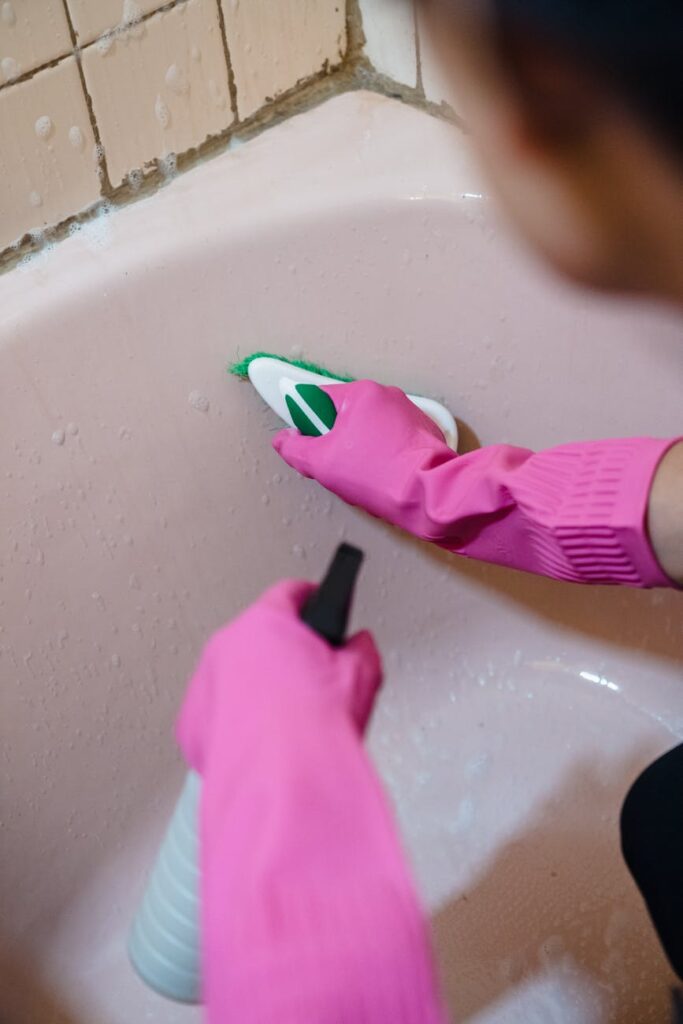
Furniture Stain Removal Bathroom Guide Part 2
Introduction
Bathrooms are one of the most used rooms in a home, making them prone to a variety of stains. From water spots to soap scum, knowing how to tackle these stains can keep your bathroom looking fresh and inviting. This guide focuses on practical solutions to help you effectively remove stains from bathroom furniture, ensuring a clean and hygienic space.
What Causes Bathroom Stains?
Understanding what causes stains in your bathroom is the first step to effective cleaning. Common sources include:
- Water Spots: Hard water can leave mineral deposits on surfaces.
- Soap Scum: This buildup occurs when soap mixes with water minerals and body oils.
- Mold and Mildew: Warm, damp environments provide a breeding ground for these fungi.
- Toothpaste and Hair Products: These can splatter and leave stubborn stains on furniture.
- Rust: Metal fixtures can corrode, leading to unsightly rust stains.
- Humidity: Bathrooms often have high humidity, which can exacerbate mold and mildew growth.
- Material Type: Different materials react differently to stains. For example, wood can absorb moisture, while metal may rust.
- Lack of Ventilation: Poor air circulation can lead to condensation, promoting stains and mildew.
- Neglect: Regular cleaning is essential. Over time, dirt and grime accumulate, making stains harder to remove.
- Soft cloths or sponges
- A bucket
- Cleaning solutions (vinegar, baking soda, dish soap, or commercial cleaners)
- A scrub brush for tough stains
- Gloves for protection
- For Water Spots: Mix equal parts vinegar and water. Spray on the affected area and let it sit for 10 minutes.
- For Soap Scum: Create a paste using baking soda and water. Apply it to the stain and scrub gently.
- For Mold and Mildew: Use a mix of bleach and water (1:10 ratio) or a commercial mildew remover.
- Using Abrasive Materials: Avoid scrubbing with steel wool or harsh scrubbing pads, as they can scratch surfaces.
- Neglecting Ventilation: Always ventilate your bathroom while cleaning to reduce moisture and prevent mold growth.
- Not Testing Cleaners: Always test any cleaner on a small, inconspicuous area first to ensure it doesn’t damage the surface.
- Ignoring Regular Maintenance: Regular cleaning can prevent the buildup of stubborn stains.
- Regular Cleaning Schedule: Clean your bathroom weekly to prevent stains from setting in.
- Use a Squeegee: After showers, use a squeegee on glass surfaces to reduce water spots.
- Improve Ventilation: Keep your bathroom well-ventilated to reduce humidity. Consider installing an exhaust fan if necessary.
- Seal Grout and Tiles: Use a grout sealer to protect against stains and mold buildup.
Why This Problem Happens
Stains in the bathroom occur due to a combination of moisture, humidity, and the materials used in bathroom furniture. Here are some factors that contribute to staining:
How to Fix Bathroom Stains (Step-by-Step)
1. Identify the Stain
Before you start cleaning, determine what type of stain you’re dealing with. This will help you choose the right cleaning method.
2. Gather Your Supplies
You’ll need:
3. Prepare the Area
Clear the area of any items, including toiletries and towels. This gives you better access to the stained furniture.
4. Apply Cleaning Solution
5. Scrub and Rinse
Using a soft cloth or sponge, scrub the stained area gently. Rinse thoroughly with water to remove any cleaning solution residue.
6. Dry the Surface
After rinsing, dry the area with a clean towel. This helps prevent future stains from forming.
Best Cleaning Methods
Vinegar and Baking Soda
These natural cleaners are effective for various stains. Combine vinegar and baking soda to create a fizzing reaction that lifts dirt and grime.
Dish Soap Solution
Mix dish soap with warm water for a gentle yet effective cleaner for soap scum and general dirt.
Commercial Cleaners
For tough stains, use a commercial cleaner designed specifically for bathroom surfaces. Always follow the manufacturer’s instructions.
Common Mistakes to Avoid
Prevention Tips
Frequently Asked Questions
1. How often should I clean my bathroom furniture?
Aim for a weekly cleaning routine to prevent buildup and stains. More frequent cleaning may be necessary if you notice heavy usage or humidity.
2. Can I use bleach on all surfaces?
No, bleach can damage certain materials. Always check the manufacturer’s recommendations and test on a small area first.
3. What’s the best way to remove hard water stains?
A mixture of vinegar and water is often effective. Spray the solution on the stains, let it sit, then scrub and rinse.
4. Are commercial cleaners safe for my family?
Most commercial cleaners are safe when used as directed. Always read labels for safety information and consider using natural alternatives when possible.
5. How can I prevent mold in my bathroom?
To prevent mold, keep your bathroom well-ventilated and dry. Fix any leaks promptly and clean regularly with mold-preventing solutions.
6. What should I do if a stain won’t come out?
If a stain persists after multiple attempts, consider consulting a professional cleaner, especially for delicate or high-value furniture.
By following these practical tips and methods, you can effectively tackle bathroom stains and maintain a clean, welcoming space in your home. Regular maintenance and proper cleaning techniques will help you avoid stubborn stains, keeping your bathroom looking its best.