
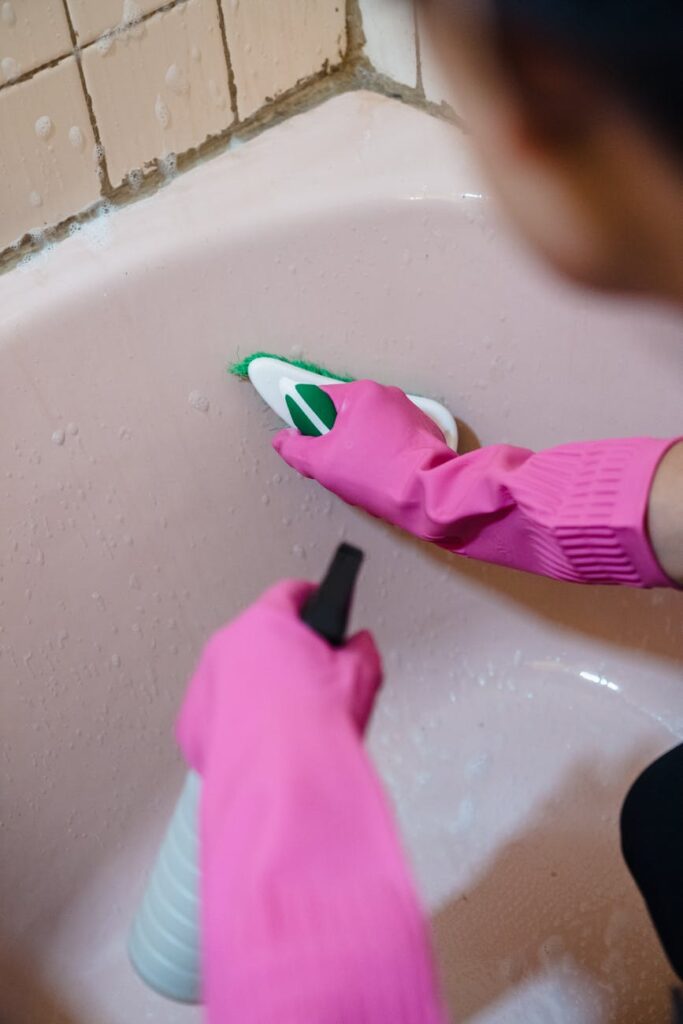
Furniture Stain Removal Bathroom Guide Part 1
Introduction
Stains in the bathroom can be more than just an eyesore; they can also harbor germs and create an uninviting atmosphere. Knowing how to effectively remove these stains can make your bathroom not only cleaner but also safer. This guide will walk you through common causes of bathroom stains, their underlying reasons, effective removal techniques, and preventive measures to keep your bathroom looking pristine.
What Causes Bathroom Stains?
Stains in the bathroom can arise from various sources, including:
1. Water Hardness: Mineral deposits from hard water can leave unsightly stains on surfaces.
2. Soap Scum: Residue from soap and body wash can accumulate, especially on tiles and shower doors.
3. Mildew and Mold: High humidity levels create a breeding ground for these fungi, resulting in dark stains.
4. Toothpaste and Hair Products: These can leave behind stubborn marks on countertops and sinks.
5. Rust: Iron in the water supply can lead to rust stains, particularly on sinks and tubs.
Understanding these causes is the first step in tackling bathroom stains effectively.
Why This Problem Happens
Bathrooms are typically humid environments, which can exacerbate the formation of stains. When moisture accumulates, it promotes the growth of mold and mildew. Additionally, the use of various toiletries introduces oils, colors, and chemicals that can stain surfaces. Hard water can leave deposits if fixtures are not cleaned regularly, while soap scum can form when soap interacts with the minerals in water.
How to Fix Bathroom Stains (Step-by-Step)
Step 1: Identify the Stain
Before you begin cleaning, determine the type of stain you’re dealing with. This will guide your choice of cleaning solution.
Step 2: Gather Supplies
You will need:
- Cleaning solution (store-bought or homemade)
- Soft cloths or sponges
- Scrub brush (for tough stains)
- Bucket
- Rubber gloves
- Old toothbrush (for small areas)
- Soap Scum: Use a mixture of equal parts vinegar and water. Spray it on the affected area and let it sit for 10-15 minutes.
- Hard Water Stains: Use a commercial hard water cleaner or a paste made from baking soda and water. Apply and let it sit for 30 minutes.
- Mildew and Mold: A solution of bleach and water (1:10 ratio) can be effective. Spray it on and leave for 10 minutes.
Step 3: Prepare the Area
Clear the area of any items like toiletries, towels, or mats. Ensure good ventilation by opening windows or turning on the exhaust fan.
Step 4: Apply Cleaning Solution
For specific stains:
Step 5: Scrub the Area
After the cleaning solution has had time to work, use a soft cloth or scrub brush to remove the stain. For stubborn areas, an old toothbrush can help reach tight spots.
Step 6: Rinse and Dry
Rinse the area thoroughly with warm water to remove any cleaning residue. Dry with a clean towel to prevent further moisture buildup.
Best Cleaning Methods
1. Vinegar and Baking Soda
This combination is excellent for breaking down soap scum and hard water stains. Apply baking soda to the stain, then spray with vinegar. The fizzing action helps lift the stain.
2. Commercial Cleaners
For tough stains, consider using a commercial bathroom cleaner designed for specific problems like mold or hard water. Always follow the manufacturer’s instructions.
3. Hydrogen Peroxide
This is effective against mildew and mold. Spray it on the affected area and let it sit for a few minutes before scrubbing.
4. Lemon Juice
Lemon juice is a natural stain remover that can also help combat soap scum and hard water stains. Apply it directly to the stain and scrub.
Common Mistakes to Avoid
1. Using Abrasive Cleaners: These can scratch surfaces and worsen stains rather than removing them.
2. Not Testing Cleaners: Always test a small area first to ensure the cleaner doesn’t damage the surface.
3. Skipping Regular Cleaning: Allowing stains to set can make them harder to remove later.
4. Not Wearing Gloves: Protect your hands when using strong cleaning agents.
Prevention Tips
1. Wipe Down Surfaces Regularly: A quick daily wipe can prevent soap scum and mildew buildup.
2. Use a Squeegee: After showering, use a squeegee on glass doors and tiles to reduce water spots.
3. Ventilate: Keep the bathroom well-ventilated to minimize humidity, which can lead to mold growth.
4. Choose Products Wisely: Opt for liquid soaps instead of bar soaps to reduce soap scum.
Frequently Asked Questions
1. How often should I clean my bathroom to prevent stains?
Aim for a thorough cleaning once a week, with quick daily wipe-downs to keep surfaces clear.
2. Can I use bleach on colored grout?
No, bleach can discolor colored grout. Instead, opt for a pH-balanced cleaner designed for grout.
3. What’s the best way to remove hard water stains from glass shower doors?
Use a mixture of vinegar and baking soda, or a commercial hard water cleaner. Let it sit before scrubbing.
4. How can I prevent mold from growing in my bathroom?
Ensure proper ventilation, use exhaust fans, and consider a dehumidifier if needed.
5. Is it safe to mix vinegar and baking soda?
Yes, but be sure to use them separately for the best results. Mixing them creates a fizz that can help lift stains but won’t be as effective as using them one after the other.
6. What should I do if the stains persist?
If stains remain after multiple attempts, it might be time to consult a professional cleaning service to avoid damaging your surfaces.
—
By following this guide, you can tackle bathroom stains effectively and maintain a clean, inviting space. Regular cleaning and preventative measures will go a long way in keeping your bathroom free from unwanted blemishes. Stay tuned for Part 2, where we’ll delve deeper into more specialized stain removal techniques.