
Furniture Odour Removal Laundry Guide Part 1
Introduction
Furniture can accumulate unpleasant odours over time, especially if they are made of fabric or contain cushions. This can be frustrating, particularly if you have pets or children. In this guide, we’ll focus on how to tackle these odours through effective laundry techniques. By following the steps outlined here, you can restore freshness to your furniture and create a more inviting living space.
What Causes Laundry Odour?
Laundry odours often stem from various sources. Here are some common culprits:
- Food and Drink Spills: Accidental spills can leave behind residues that lead to smells.
- Pet Accidents: Pets can create lingering smells, especially in upholstered furniture.
- Moisture: Humidity can cause mould and mildew, which produce unpleasant odours.
- Body Oils and Sweat: Over time, body oils can seep into fabrics, contributing to stale smells.
- Poor Air Circulation: Lack of ventilation can exacerbate any existing odours.
- Absorption: Fabrics are porous and can absorb smells from their environment, including smoke, food, and pet scents.
- Bacteria Growth: Moisture can promote the growth of bacteria and mould, which not only smells bad but can also damage your furniture.
- Neglected Maintenance: Regular cleaning is essential. If furniture is left unwashed for long periods, odours can build up significantly.
- Mild detergent
- Baking soda
- White vinegar
- Spray bottle
- Soft brush or cloth
- Vacuum cleaner
- 1 cup of baking soda
- 1 cup of mild detergent
- 1 gallon of warm water
- Over-Saturating: Avoid soaking the fabric, as this can lead to mould and mildew.
- Using Harsh Chemicals: Steer clear of bleach or other strong chemicals that can damage fabrics.
- Ignoring Care Labels: Always check care labels before using any cleaning method.
- Not Testing First: Test any cleaning solution on a small, inconspicuous area before applying it to the entire surface.
Why This Problem Happens
Understanding why odours develop is crucial for addressing the issue effectively:
How to Fix Laundry (Step-by-Step)
Follow these steps to effectively remove odours from fabric furniture.
Step 1: Identify the Material
Before starting, identify the fabric of your furniture. Common types include cotton, polyester, and leather. Check care labels for specific cleaning instructions.
Step 2: Gather Cleaning Supplies
For laundry-style cleaning, you’ll need:
Step 3: Vacuum Thoroughly
Start by vacuuming the furniture to remove loose dirt, hair, and debris. Use upholstery attachments to get into crevices.
Step 4: Spot Clean Stains
If there are visible stains, treat them first. Mix equal parts water and white vinegar in a spray bottle. Lightly spray the stained area, let it sit for a few minutes, and then blot with a clean cloth.
Step 5: Prepare a Cleaning Solution
For a deeper clean, mix:
Mix thoroughly to create a cleaning solution.
Step 6: Clean the Fabric
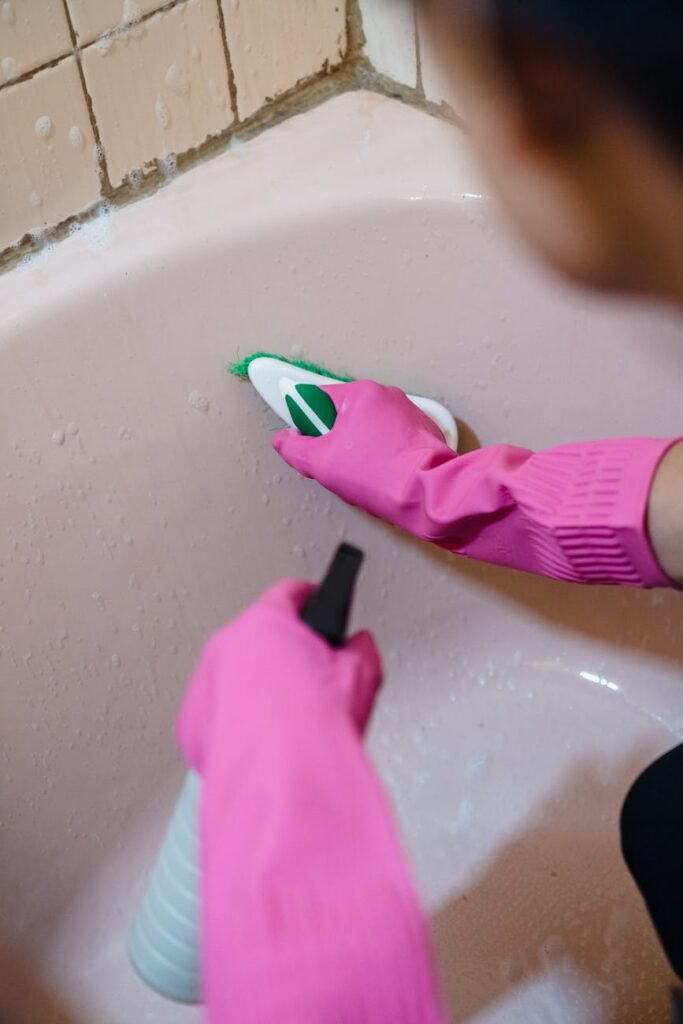
Using a soft brush or cloth, dip it into the solution and gently scrub the fabric. Avoid soaking the fabric, as excessive moisture can lead to mildew.
Step 7: Rinse
Using a clean cloth dampened with plain water, wipe off the detergent mixture. Ensure all residues are removed.
Step 8: Dry
Allow the fabric to air dry completely. If possible, place the furniture outside in a shaded area for fresh air circulation. If indoors, ensure good ventilation.
Best Cleaning Methods
Baking Soda
Baking soda is a powerful deodorizer. Sprinkle it over the fabric, let it sit for several hours or overnight, and then vacuum it up. This method is great for absorbing lingering smells.
Vinegar Spray
Mix equal parts of water and white vinegar in a spray bottle. Lightly mist the fabric and allow it to dry. The vinegar smell will dissipate, taking unwanted odours with it.
Commercial Odour Eliminators
For tough smells, consider investing in a commercial upholstery cleaner designed for your furniture type. Always follow the manufacturer’s instructions.
Common Mistakes to Avoid
Prevention Tips
1. Regular Cleaning: Vacuum and spot clean your furniture regularly to prevent odour build-up.
2. Use Fabric Protectors: Consider applying a fabric protector spray to help repel stains and odours.
3. Air Out Furniture: Occasionally, move furniture outdoors or near open windows to freshen it up.
4. Control Humidity: Use dehumidifiers in damp areas to prevent mould growth.
5. Pet Care: Regular grooming and bathing of pets can reduce the transfer of odours to your furniture.
6. Avoid Eating on Furniture: Minimize food and drink consumption on fabric furniture to reduce spills and stains.
Frequently Asked Questions
1. How often should I clean my upholstered furniture?
Aim to clean your upholstered furniture every 3 to 6 months, or more frequently if you have pets or children.
2. Can I machine wash removable covers?
Check the care label first. If machine-washable, use a gentle cycle and air dry to prevent shrinkage.
3. What if the odour persists after cleaning?
If odours remain, consider professional cleaning services or using an ozone generator for stubborn smells.
4. Is it safe to use essential oils for scenting furniture?
While some essential oils can be safe, always dilute them and test on a small area first to avoid staining.
5. Does sunlight help with odour removal?
Yes, placing furniture in sunlight can help eliminate odours, but avoid prolonged exposure to prevent fading.
6. Can I use baking soda on leather furniture?
Baking soda is not recommended for leather, as it can dry it out. Instead, use a leather cleaner specifically designed for that material.
By following this guide, you can effectively tackle furniture odours through simple laundry methods, ensuring your home remains fresh and inviting. Stay tuned for Part 2, where we’ll explore more advanced techniques for odour removal!