
Furniture Odour Removal Kitchen Guide Part 1
Introduction
A fresh-smelling kitchen is essential for an inviting home. Unfortunately, kitchens can develop unpleasant odors due to various factors like food spills, moisture, and the accumulation of grease. This guide will provide you with actionable steps to identify the source of odors in your kitchen furniture and effective methods for removal.
What Causes Kitchen Odours?
Several factors can contribute to unpleasant smells in your kitchen:
1. Food Residue: Spills from cooking can seep into furniture, especially wooden or upholstered pieces.
2. Moisture: High humidity or leaks can lead to mold growth, which emits a musty smell.
3. Grease Buildup: Grease can accumulate on cabinets and countertops, creating a sticky residue that traps odors.
4. Trash Issues: Old food or trash left in bins can create foul smells.
5. Appliance Malfunctions: Dishwashers and refrigerators that aren’t functioning properly can also emit odors.
Why This Problem Happens
Odors in your kitchen furniture occur for several reasons:
- Absorption: Materials like wood and fabric can absorb food particles and moisture, leading to lingering smells.
- Inadequate Cleaning: Regular cleaning may not be sufficient for deeply embedded odors.
- Poor Ventilation: A lack of airflow can cause smells to linger and intensify.
- Neglected Areas: Spots like behind appliances or inside cabinets may not receive enough attention during cleaning.
- Wood: Mix equal parts vinegar and water. Wipe down the furniture with this solution to remove odors.
- Fabric: For upholstered furniture, use a fabric refresher spray. Test on a small area first.
- Plastic or Metal: Use a diluted bleach solution (1 tablespoon of bleach in 1 quart of water) for effective deodorizing.
Understanding these causes can help you tackle the issue effectively.
How to Fix Kitchen Odours (Step-by-Step)
Step 1: Identify the Source
1. Smell Test: Start by sniffing various areas, including cabinets, drawers, and behind appliances.
2. Visual Inspection: Look for stains, spills, or signs of moisture.
Step 2: Clear the Area
1. Remove Items: Take everything out of the affected furniture, including dishes, utensils, and food items.
2. Dispose of Old Food: Throw away any expired or spoiled food.
Step 3: Clean Thoroughly
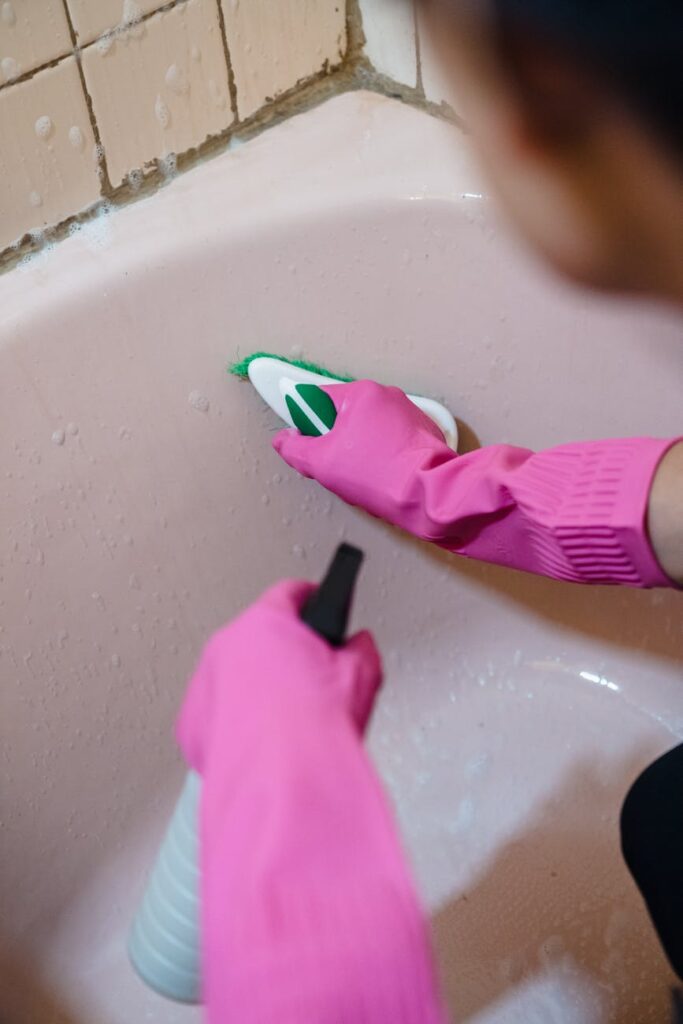
1. Surface Cleaning: Use a multi-surface cleaner to wipe down all surfaces. Pay special attention to corners and edges.
2. Deodorize: Sprinkle baking soda on surfaces and let it sit for 15-30 minutes before wiping it away. This will help absorb odors.
Step 4: Address Specific Materials
Step 5: Dry the Area
Make sure to dry all surfaces thoroughly to prevent moisture-related odors. Open windows or use fans to improve ventilation.
Step 6: Check Appliances
Inspect your appliances for odors. Clean refrigerator shelves and dishwasher filters as needed.
Best Cleaning Methods
1. Baking Soda: A natural deodorizer that absorbs odors effectively.
2. Vinegar: Neutralizes odors while disinfecting surfaces.
3. Activated Charcoal: Place in cabinets or drawers to absorb persistent smells.
4. Essential Oils: Adding a few drops to cleaning solutions can leave a pleasant scent.
5. Commercial Odour Eliminators: Opt for products specifically designed for kitchen use.
Common Mistakes to Avoid
1. Neglecting Regular Maintenance: Failing to clean regularly can lead to the buildup of odors.
2. Using the Wrong Products: Avoid harsh chemicals that can damage furniture or leave residues.
3. Ignoring Hidden Areas: Don’t forget about spaces behind appliances or inside cabinets.
4. Overlooking Moisture: Address leaks and humidity issues promptly to prevent mold growth.
5. Using Fragrance to Mask Odours: While air fresheners can temporarily mask smells, they do not eliminate the source.
Prevention Tips
1. Regular Cleaning: Make a cleaning schedule that includes deep cleaning your kitchen furniture.
2. Ventilation: Keep windows open when cooking to allow for airflow.
3. Seal Food Properly: Use airtight containers for food storage to minimize odors.
4. Use Absorbents: Place bowls of baking soda or activated charcoal in cabinets to absorb odors.
5. Immediate Cleanup: Clean spills immediately to prevent odors from setting in.
Frequently Asked Questions
1. How often should I clean my kitchen furniture to prevent odors?
Aim for a deep clean every month, with weekly touch-ups to maintain freshness.
2. Can I use essential oils to mask kitchen odors?
Essential oils can help freshen the air, but they should not replace thorough cleaning.
3. What should I do if the odour persists after cleaning?
If odors persist, consider calling a professional cleaner or checking for hidden moisture or mold issues.
4. Is baking soda safe for all furniture types?
Baking soda is generally safe, but always test on a small area first, especially on fabrics or delicate finishes.
5. How can I tell if there’s mold causing the smell?
Musty odors often indicate mold. Look for discoloration or dark spots on surfaces.
6. Are there any commercial products you recommend for kitchen odours?
Look for enzymatic cleaners designed for kitchens. They target organic materials and neutralize odors effectively.
By following this guide, you can effectively tackle and prevent odors in your kitchen furniture, creating a more pleasant cooking and dining environment. Stay tuned for Part 2, where we’ll cover advanced techniques and products for persistent issues.