
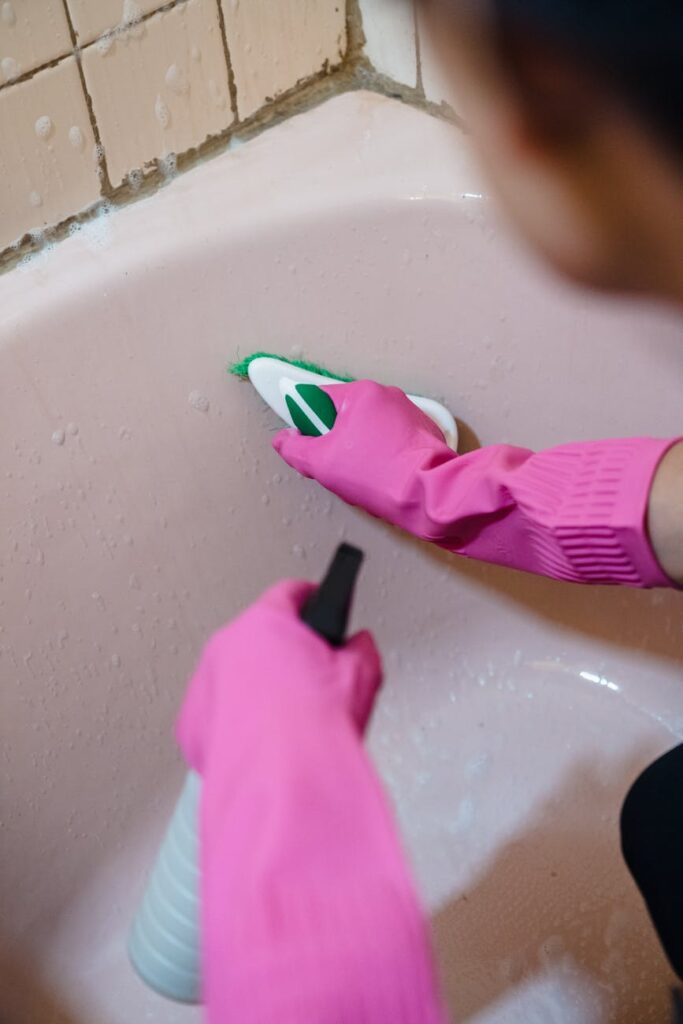
Furniture Odour Removal Bathroom Guide Part 1
Introduction
Bathrooms are often a source of unpleasant odours that can cling to furniture and fixtures. From moisture to mildew, various factors contribute to these smells, making it essential to address them effectively. In this guide, we will explore the causes of bathroom odours, methods to eliminate them, and tips for preventing future issues.
What Causes Bathroom Odour?
Several factors can lead to unpleasant smells in the bathroom. The most common causes include:
1. Moisture: Bathrooms are inherently humid environments. Excess moisture can lead to mould and mildew growth, both of which produce strong, musty odours.
2. Poor Ventilation: Inadequate airflow can trap humidity and odours, creating a stale atmosphere.
3. Sewage Issues: Sometimes, the smell can stem from plumbing problems, such as dried-up traps or leaks.
4. Cleaning Products: Ironically, while some cleaning products are meant to eliminate odours, they can sometimes leave behind their own strong smells.
5. Organic Waste: Hair, soap scum, and other organic materials can accumulate and emit foul smells over time.
Why This Problem Happens
Understanding why bathroom odours occur is crucial for tackling the problem effectively. High humidity levels can create an ideal breeding ground for mould and mildew. These fungi thrive in damp conditions, leading to persistent smells.
Moreover, poor ventilation exacerbates the issue. If air isn’t circulating, moisture can linger, intensifying any existing odours.
Sewage-related smells may arise from plumbing issues, such as a dry P-trap, which can allow sewer gases to escape into your bathroom. Lastly, certain cleaning products may mask odours but can also leave behind chemical scents that clash with the natural smell of the bathroom.
How to Fix Bathroom Odour (Step-by-Step)
Step 1: Identify the Source
Begin by locating where the odour is strongest. Check common areas, such as:
- Around the toilet
- Under the sink
- Near the shower or bathtub
- Behind furniture
- Open Windows: Whenever possible, open windows during and after showers.
- Use Exhaust Fans: Ensure that exhaust fans are running when using the bathroom.
- Mix: Combine one part vinegar to one part water in a spray bottle.
- Use: Spray affected areas, let it sit, and then wipe clean.
- Sprinkle: Apply it to carpets, rugs, or upholstery and let it sit for a few hours before vacuuming.
Step 2: Clean Thoroughly
Once the source is identified, take the following steps:
1. Remove Items: Clear out any furniture, towels, and rugs from the area.
2. Dust and Wipe: Use a damp cloth to dust surfaces and wipe down furniture.
3. Mop the Floors: Use a suitable floor cleaner to mop up any grime and moisture.
4. Clean Fixtures: Pay special attention to sinks, toilets, and bathtubs. Use a disinfectant cleaner to eliminate bacteria.
Step 3: Address Mould and Mildew
If you notice mould or mildew:
1. Create a Solution: Mix equal parts of water and white vinegar in a spray bottle.
2. Apply and Wait: Spray the affected areas and let it sit for about 15 minutes.
3. Scrub and Rinse: Use a scrubbing brush to remove the mould, then rinse with water.
Step 4: Improve Ventilation
To prevent moisture buildup:
Step 5: Deodorise
After cleaning and improving ventilation, deodorise the space:
1. Baking Soda: Place an open box or bowl of baking soda in the bathroom to absorb lingering smells.
2. Essential Oils: Add a few drops of essential oil (like lavender or eucalyptus) to cotton balls and place them in discreet spots.
3. Activated Charcoal: Consider using activated charcoal bags, which are excellent for absorbing odours.
Best Cleaning Methods
Vinegar Solution
Vinegar is a powerful natural cleaner that can eliminate odours and disinfect surfaces.
Baking Soda
Baking soda is another effective odour neutraliser.
Commercial Odour Eliminators
If natural methods don’t suffice, consider using commercial products designed specifically for odour removal. Look for enzymatic cleaners that break down organic matter.
Common Mistakes to Avoid
1. Ignoring the Source: Simply masking the smell with air fresheners won’t fix the underlying problem.
2. Overusing Cleaning Products: Using too many products can lead to chemical build-up, which can create additional odours.
3. Neglecting Ventilation: Failing to improve airflow can exacerbate moisture issues, leading to recurring smells.
4. Not Cleaning Regularly: Regular cleaning is essential to prevent the buildup of grime and organic matter.
5. Using the Wrong Tools: Ensure you use appropriate cleaning tools for different surfaces to avoid damage.
Prevention Tips
1. Routine Cleaning: Establish a regular cleaning schedule to keep your bathroom fresh.
2. Use Exhaust Fans: Keep exhaust fans on while showering and for a while after to remove humidity.
3. Seal Grout: Use a grout sealer to prevent moisture from seeping into porous materials.
4. Store Items Properly: Avoid leaving damp towels or clothes lying around; hang them to dry immediately.
5. Check for Leaks: Regularly inspect plumbing for leaks that could contribute to moisture issues.
Frequently Asked Questions
1. How often should I clean my bathroom to prevent odours?
A: Aim to clean your bathroom at least once a week to keep odours at bay.
2. Can I use bleach to remove bathroom odours?
A: While bleach can disinfect, it may not effectively eliminate odours. Consider using vinegar or baking soda for a more natural approach.
3. What if the smell persists after cleaning?
A: If odours continue, check for hidden mould, leaks, or plumbing issues that may need professional attention.
4. Is there a way to prevent mould from growing in my bathroom?
A: Yes, keeping the bathroom well-ventilated and regularly cleaning surfaces can help prevent mould growth.
5. Can essential oils really help with bathroom odours?
A: Yes, essential oils can mask and neutralise odours, but they work best in conjunction with cleaning efforts.
6. Why is my bathroom smell worse after cleaning?
A: This may be due to chemical residues from cleaning products. Ensure you rinse thoroughly and consider using more natural alternatives.
By following these steps and tips, you can effectively tackle and prevent furniture odours in your bathroom, ensuring a fresh and inviting space.