
Furniture Odor Removal Mould & Damp Guide Part 1
Introduction
Mould and damp can be a homeowner’s worst nightmare, especially when it comes to furniture. Not only do they create unpleasant odors, but they can also lead to damage and health issues. This guide aims to provide you with practical solutions to tackle mould and damp in your furniture, ensuring your home remains fresh and inviting.
What Causes Mould & Damp?
Mould thrives in warm, humid environments. The most common causes of mould and damp in furniture include:
1. Excess Moisture: High humidity levels can come from various sources, including leaks, condensation, or poor ventilation.
2. Water Damage: Spills, flooding, or even high humidity can lead to water-soaked furniture.
3. Poor Airflow: Furniture placed too close together or against walls can restrict airflow, creating stagnant, humid conditions.
4. Organic Material: Mould feeds on organic materials, so wooden furniture, upholstered items, and even dust can be breeding grounds.
Why This Problem Happens
Understanding why mould and damp occur in your home is crucial for effective treatment. Here are a few reasons:
- Environmental Factors: Areas with high humidity or temperatures are more prone to mould.
- Home Design: Poorly designed homes with inadequate ventilation can trap moisture.
- Lifestyle Choices: Activities like drying clothes indoors or cooking without proper ventilation can increase moisture levels.
- Vinegar Solution: Mix equal parts of white vinegar and water in a spray bottle. Spray the affected area and let it sit for an hour before wiping it off. Vinegar is effective against mould and has a natural deodorizing effect.
- Baking Soda: Sprinkle baking soda directly on damp surfaces or into cushions. Let it sit for a few hours, then vacuum it up. This will help absorb moisture and odors.
- Hydrogen Peroxide: For severe mould issues, use a 3% hydrogen peroxide solution. Apply it to the affected area, let it sit for 10 minutes, then wipe clean.
- Control Humidity: Use dehumidifiers in high-humidity areas and ensure proper ventilation in rooms like kitchens and bathrooms.
- Store Furniture Properly: Keep furniture off the floor and allow space for airflow. Avoid placing items directly against walls.
- Regular Cleaning: Dust and clean furniture regularly to remove organic material that mould can feed on.
- Seal Leaks Promptly: Address any plumbing or roof leaks immediately to prevent water damage.
How to Fix Mould & Damp (Step-by-Step)
1. Identify Affected Areas: Inspect your furniture for visible signs of mould or dampness. Look for discoloration, a musty smell, or soft spots.
2. Remove Items: Clear the area around the affected furniture. Remove cushions, throws, or any other items that could be hiding mould.
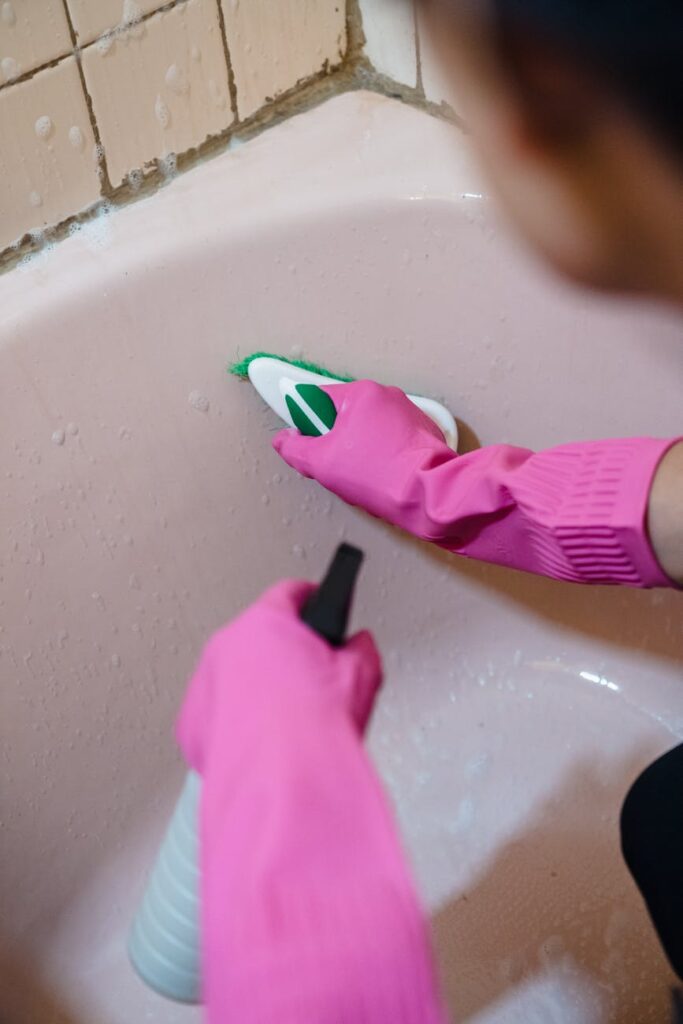
3. Clean the Surface: Use a mixture of water and mild detergent to wipe down the affected areas. A sponge or cloth works well for this.
4. Use a Mould Remover: For stubborn mould, you may need a commercial mould remover. Follow the manufacturer’s instructions carefully.
5. Dry the Area: Ensure that the cleaned area is thoroughly dried. Use a fan or dehumidifier to speed up the drying process.
6. Reevaluate Humidity Levels: Consider using a hygrometer to monitor humidity levels in your home. Ideally, levels should be between 30-50%.
Best Cleaning Methods
Common Mistakes to Avoid
1. Ignoring Early Signs: Addressing mould and damp issues early on can prevent larger problems later. Don’t wait for visible mould to appear.
2. Using Bleach: While bleach may kill mould on non-porous surfaces, it can promote growth on porous materials like wood and upholstery. Avoid it for furniture cleaning.
3. Not Drying Thoroughly: Failing to dry furniture completely after cleaning can lead to further mould growth. Always ensure surfaces are dry.
4. Inadequate Ventilation: After cleaning, ensure the area is well-ventilated to aid drying and reduce humidity.
Prevention Tips
Frequently Asked Questions
1. How can I tell if my furniture has mould?
Look for discoloration, a musty smell, or soft spots. You may also see fuzzy growth on the surface.
2. Can I use essential oils to eliminate mould odors?
While some essential oils have anti-fungal properties, they should not replace proper cleaning. Use them alongside other methods.
3. Do I need to throw away my furniture if it has mould?
Not necessarily. Cleaning and treating the furniture can often restore it. However, if the damage is extensive, replacement may be necessary.
4. Is it safe to clean mould on my own?
Yes, but take precautions. Wear gloves, a mask, and ensure good ventilation while cleaning.
5. How often should I check for mould?
Regularly inspect areas prone to dampness, especially after heavy rain or changes in humidity.
6. Can pets contribute to mould problems?
Yes, pet dander and moisture can contribute to mould growth. Regular grooming and cleaning can help mitigate this issue.
—
By following these practical steps, you can effectively tackle mould and damp issues in your furniture. In the next part, we will explore advanced techniques and options for dealing with persistent mould problems. Stay tuned!