
Furniture Mold Removal: Mould & Damp Guide Part 1
Introduction
Mould and damp issues in furniture can be a homeowner’s nightmare. Not only can they ruin the aesthetics of your beloved pieces, but they can also pose risks to your home’s integrity and your health. This guide aims to provide practical solutions to tackle mould and damp problems effectively.
What Causes Mould & Damp?
Mould thrives in damp environments, so understanding what contributes to this moisture is essential. Here are the primary culprits:
1. High Humidity: Elevated humidity levels, often above 60%, create a perfect breeding ground for mould.
2. Poor Ventilation: Lack of airflow can trap moisture in enclosed spaces.
3. Water Leaks: Leaks from roofs, plumbing, or condensation can lead to dampness.
4. Temperature Fluctuations: Rapid changes in temperature can result in condensation, especially in poorly insulated areas.
5. Organic Materials: Mould feeds on organic materials like wood, upholstery, and even dust.
Why This Problem Happens
Mould and damp can develop quickly if left unchecked. Here’s why it tends to occur:
- Neglected Maintenance: Regular cleaning and maintenance can often prevent mould growth. If furniture is left in damp or humid conditions, the chances of mould increase significantly.
- Seasonal Changes: During the rainy season or in humid climates, the moisture levels in the air rise, making it easier for mould to establish itself.
- Indoor Activities: Cooking, showering, and even breathing can increase indoor humidity, especially in small spaces without adequate ventilation.
- Inspect furniture for visible signs of mould. Look for dark spots, a musty smell, or areas that feel damp to the touch.
- If possible, take the furniture outside to avoid spreading spores indoors. This is particularly important for larger pieces like sofas or cabinets.
- Wipe the area with a clean, damp cloth to remove any cleaning solution and mould residue. Ensure the furniture dries completely; use fans or dehumidifiers if necessary.
- After drying, check the area for any remaining signs of mould. Repeat the cleaning process if necessary.
- White Vinegar: Naturally kills mould spores and is safe for most surfaces.
- Baking Soda: Excellent for scrubbing and deodorizing; mix with water to form a paste.
- Hydrogen Peroxide: A strong mould killer; apply directly to the affected area but test on an inconspicuous spot first.
- Commercial Mould Removers: Use products specifically designed for furniture if natural solutions don’t work.
- Control Humidity Levels: Keep indoor humidity below 60% using dehumidifiers.
- Improve Ventilation: Open windows and use exhaust fans in areas prone to moisture, like kitchens and bathrooms.
- Regular Cleaning: Dust and vacuum regularly to reduce organic materials that mould can feed on.
- Inspect Regularly: Check for leaks and damp spots, especially during seasonal changes.
How to Fix Mould & Damp (Step-by-Step)
Step 1: Identify the Problem Area
Step 2: Remove Affected Items
Step 3: Clean the Surface
1. Prepare a Cleaning Solution: Mix equal parts of water and white vinegar in a spray bottle, or use a commercial mould remover.
2. Apply the Solution: Spray the affected areas generously.
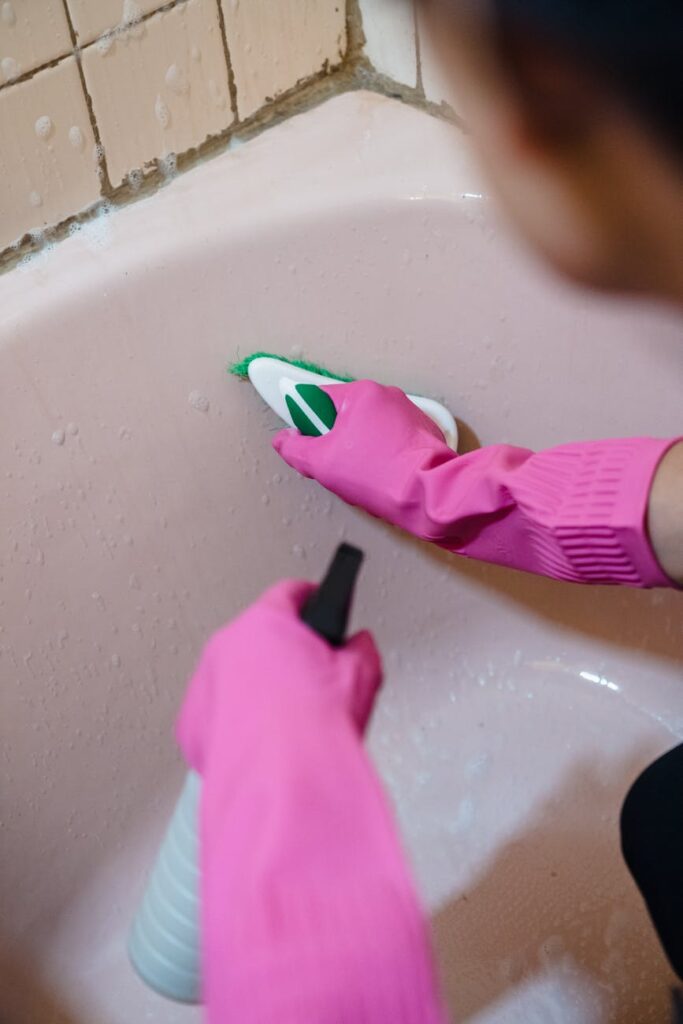
3. Scrub: Use a soft-bristle brush or cloth to scrub away the mould. Be gentle to avoid damaging the furniture.
Step 4: Rinse and Dry
Step 5: Reassess and Repeat
Best Cleaning Methods
Common Mistakes to Avoid
1. Ignoring the Source of Moisture: Cleaning mould without addressing the underlying moisture issue will lead to reoccurrence.
2. Using Too Much Water: Excessive water can worsen the problem by soaking into the furniture.
3. Overlooking Ventilation: Failing to improve airflow will make it difficult to prevent mould from returning.
4. Not Wearing Protective Gear: Always wear gloves and a mask when cleaning mould to protect yourself from spores.
Prevention Tips
Frequently Asked Questions
1. Can I use bleach to remove mould?
While bleach can kill mould, it does not remove it from porous surfaces and may not be effective. It can also release harmful fumes, so safer alternatives are recommended.
2. How can I tell if my furniture is beyond repair?
If the mould has penetrated deep into the wood or upholstery and can’t be cleaned, it may be best to consider replacing the item.
3. Is it safe to sleep on a bed with mould?
No, sleeping on mouldy furniture can pose health risks. It’s crucial to address the mould before using the item again.
4. How often should I check for mould in my home?
It’s a good practice to check for mould every few months, especially in areas prone to moisture.
5. Will sunlight help kill mould?
Yes, sunlight can help kill mould spores. Consider placing affected furniture in direct sunlight to aid the drying process.
6. Can I prevent mould in my home?
Absolutely! Regular cleaning, maintaining low humidity levels, and ensuring good ventilation are key strategies for mould prevention.
By following the steps and tips outlined in this guide, homeowners can effectively tackle mould and damp problems in furniture. Addressing these issues promptly not only protects your investments but also ensures a healthier living environment. Stay tuned for Part 2, where we’ll explore advanced techniques and case studies for severe mould situations.