
Furniture Mold Removal Kitchen Guide Part 2
Introduction
Mold in the kitchen can be a persistent problem that affects not only the aesthetics of your space but also the quality of your food and overall health. In this guide, we will explore the causes of kitchen mold, how to effectively remove it, and steps you can take to prevent it from returning. Whether it’s on your wooden cabinets, dining table, or other furniture, we’ll provide you with practical solutions to keep your kitchen mold-free.
What Causes Kitchen Mold?
Mold thrives in damp, warm environments, making kitchens an ideal breeding ground. Several factors contribute to mold growth in kitchen furniture:
- High Humidity: Kitchens produce moisture from cooking, washing dishes, and even drying clothes.
- Poor Ventilation: Lack of airflow can trap humidity, creating a perfect environment for mold to flourish.
- Leaks: Plumbing leaks or water spills can provide the moisture mold needs to grow.
- Organic Materials: Wood and fabric are prime targets for mold, especially when they become damp.
- Condensation: Warm air from cooking can condense on cool surfaces, leading to moisture accumulation.
- Infrequent Cleaning: Regular cleaning can help reduce the buildup of food particles and moisture that encourage mold growth.
- Poor Maintenance: Neglecting to fix leaks or maintain plumbing can exacerbate mold problems.
- Clutter: Piled-up items can obstruct airflow, trapping humidity and promoting mold growth.
- Protective gear (gloves, mask, goggles)
- Cleaning solution (vinegar, baking soda, or commercial mold remover)
- Soft brush or cloth
- Bucket
- Spray bottle
- Vacuum with a HEPA filter
- Remove all items from the affected furniture.
- Ensure proper ventilation by opening windows and using fans if necessary.
- Look for visible mold and check for any signs of water damage.
- If the wood is severely damaged, you may need to replace the affected section.
- Using Vinegar: Spray undiluted white vinegar directly on the moldy area. Let it sit for at least one hour before wiping it off with a soft cloth.
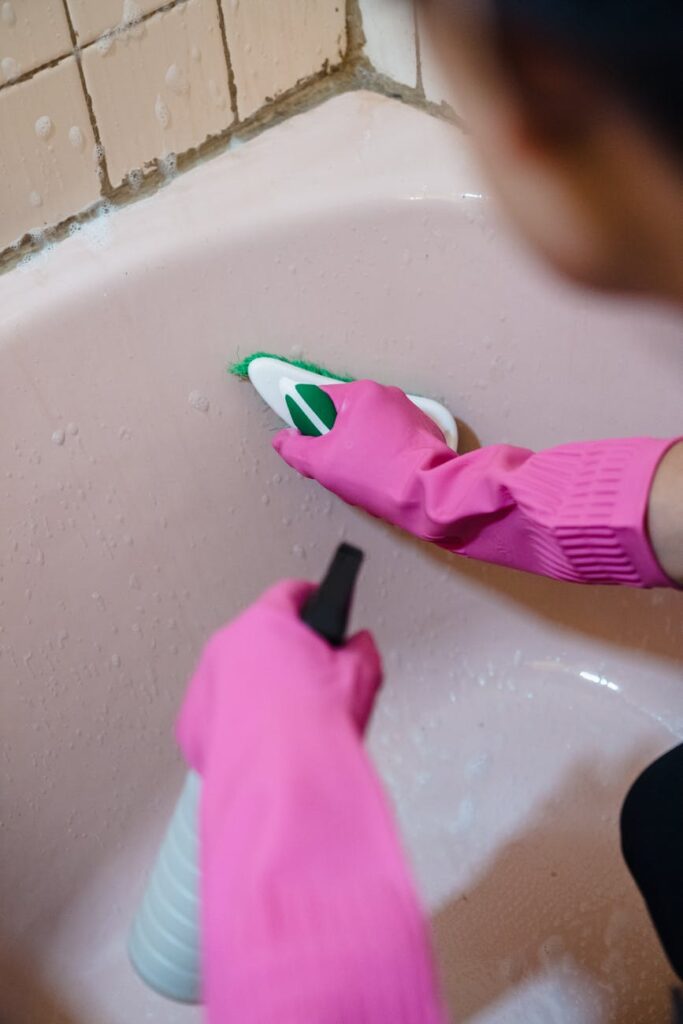
- Using Baking Soda: Mix one tablespoon of baking soda with a cup of water in a spray bottle. Spray the area and scrub gently with a brush. Rinse with water and dry thoroughly.
- Commercial Cleaners: If necessary, use a commercial mold remover. Follow the manufacturer’s instructions for application and safety.
- Use a fan or dehumidifier to thoroughly dry the furniture and surrounding area. Mold thrives in moisture, so ensuring everything is dry is crucial.
- If any items are heavily infested with mold (like cushions or porous wood), it’s best to dispose of them to prevent mold from spreading.
- Vinegar: A natural, non-toxic option that kills about 82% of mold species. Great for non-porous surfaces.
- Baking Soda: Works as both a cleaning agent and a deodorizer. It’s safe and effective on a variety of surfaces.
- Hydrogen Peroxide: A powerful mold killer, it can be used on non-porous surfaces. Use a 3% solution in a spray bottle.
- Commercial Cleaners: For severe infestations, specially formulated mold removers may be necessary.
- Not Wearing Protective Gear: Always protect yourself from mold spores by wearing gloves, masks, and goggles.
- Using Bleach: While bleach can kill mold, it often doesn’t penetrate porous surfaces and can lead to regrowth.
- Skipping Drying: Failing to dry the area completely can result in mold returning.
- Ignoring the Source: Address leaks or moisture issues before cleaning to prevent recurrence.
- Improve Ventilation: Use exhaust fans while cooking and open windows to reduce humidity.
- Regular Cleaning: Clean surfaces regularly with vinegar or baking soda to deter mold.
- Fix Leaks Promptly: Address plumbing issues immediately to prevent moisture buildup.
- Control Humidity: Keep humidity levels below 60% with dehumidifiers or air conditioning.
- Organize Clutter: Keep kitchen surfaces clear to allow for better airflow.
Why This Problem Happens
Understanding the root causes of kitchen mold can help you address the issue effectively. Mold spores are everywhere in our environment; they only need the right conditions to grow. Here are a few reasons why mold may occur in your kitchen:
How to Fix Kitchen Mold (Step-by-Step)
Removing mold from kitchen furniture requires a systematic approach. Follow these steps to effectively tackle the problem:
Step 1: Gather Supplies
You’ll need:
Step 2: Prepare the Area
Step 3: Inspect the Furniture
Step 4: Clean the Mold
Step 5: Dry the Area
Step 6: Dispose of Contaminated Materials
Best Cleaning Methods
Choosing the right cleaning method is essential for effective mold removal. Here are the best options:
Common Mistakes to Avoid
When tackling mold removal, avoid these common pitfalls:
Prevention Tips
Preventing mold from returning is just as important as removal. Here are some actionable tips:
Frequently Asked Questions
1. How can I tell if I have mold in my kitchen?
Look for visible mold spots, a musty odor, or peeling paint. You may also notice water stains or moisture.
2. Can I remove mold from wooden furniture?
Yes, you can remove mold from wooden furniture using vinegar or baking soda. Ensure you dry the area thoroughly afterward.
3. What should I do if the mold keeps coming back?
Investigate the source of moisture, improve ventilation, and ensure regular cleaning to prevent recurrence.
4. Is mold removal safe for children and pets?
While cleaning, ensure children and pets are kept away from the area. Use non-toxic cleaning solutions whenever possible.
5. How often should I clean my kitchen to prevent mold?
Aim for weekly cleaning, focusing on high-moisture areas like sinks and countertops.
6. Can I use bleach to clean mold?
It is not recommended for porous surfaces, as it may not penetrate deeply enough to kill all mold spores.
By following this comprehensive guide, you can effectively remove mold from your kitchen furniture and prevent it from returning. Keeping your kitchen clean and dry is essential for a healthy home environment.