
Furniture Mold Removal Kitchen Guide Part 1
Introduction
Mold in the kitchen can be a persistent problem, affecting not just the aesthetics but also the safety of your home. This guide aims to provide you with practical steps to identify, remove, and prevent mold from returning. Understanding the root causes, effective cleaning methods, and common pitfalls will help you maintain a mold-free kitchen environment.
What Causes Kitchen Mold?
Kitchen mold typically thrives in areas that are damp and poorly ventilated. Here are some common causes:
- High Humidity: Cooking generates steam, especially when boiling water or simmering sauces. If your kitchen lacks proper ventilation, this moisture can lead to mold growth.
- Leaks: Leaky pipes under the sink or appliances can create a moisture-rich environment conducive to mold.
- Food Spills: Spilled food and drink, especially sugary substances, can attract mold if not cleaned promptly.
- Lack of Sunlight: Mold prefers dark environments. Areas in the kitchen that receive little to no natural light are more susceptible.
- Identify Affected Areas: Look for mold on surfaces such as cabinets, countertops, and even behind appliances.
- Check for Moisture Sources: Look for leaks or areas with high humidity.
- Gloves and a mask (to protect against spores)
- Spray bottle
- Cleaning solution (vinegar, baking soda, or commercial mold remover)
- Soft cloths or sponges
- Scrub brush
- Bucket of warm water
- Seal any sponges or cloths used in a plastic bag and dispose of them to prevent any spores from spreading.
- Ignoring Early Signs: Don’t wait until mold spreads. Early detection is key.
- Using Bleach: While bleach can kill surface mold, it often doesn’t penetrate porous materials and can lead to further mold growth.
- Not Drying Surfaces: After cleaning, always dry the surfaces thoroughly to prevent mold from returning.
- Neglecting Ventilation: If you don’t address the humidity issue, mold will likely return.
Why This Problem Happens
Mold is a type of fungus that thrives in moist conditions. In the kitchen, the combination of humidity, food particles, and warmth provides a perfect breeding ground. If mold is not addressed, it can spread quickly, causing damage to your furniture and posing health risks to your household.
How to Fix Kitchen Mold (Step-by-Step)
Step 1: Assess the Situation
Step 2: Gather Supplies
You will need:
Step 3: Remove Mold
1. Prepare the Area: Ensure good ventilation by opening windows and turning on exhaust fans.
2. Mix the Cleaning Solution: For vinegar, use it undiluted. For baking soda, mix 1/2 cup with water to form a paste.
3. Apply the Solution: Spray or apply the cleaning solution directly on the moldy areas.
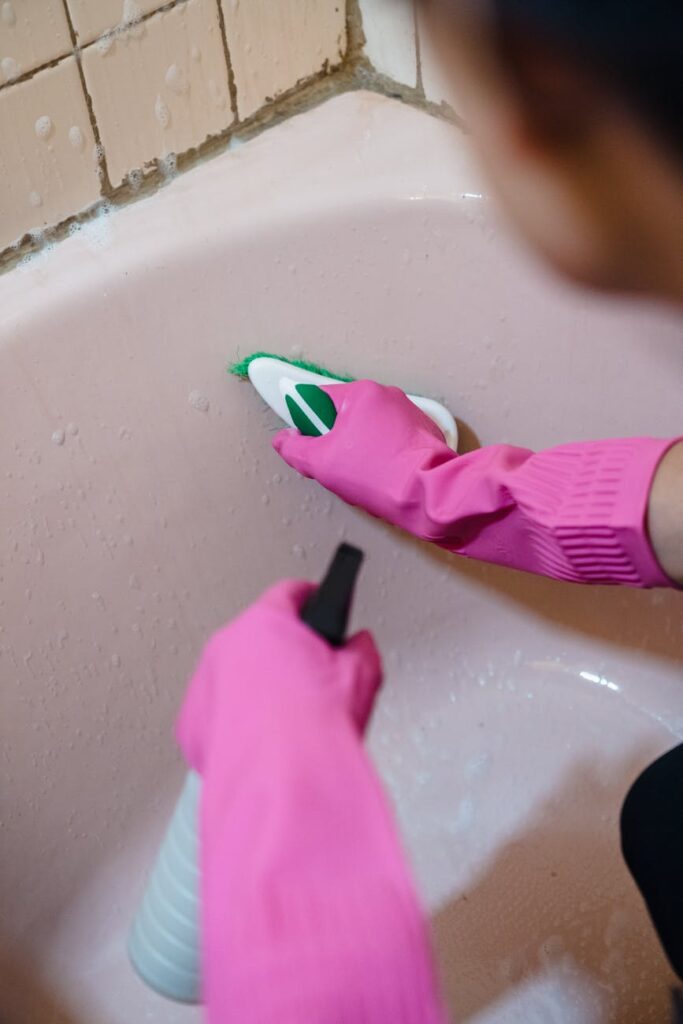
4. Scrub the Surface: Use a scrub brush for stubborn spots. Be gentle on surfaces to avoid damage.
5. Wipe Clean: After scrubbing, wipe the area with a damp cloth to remove any residue.
6. Dry Thoroughly: Use a clean, dry cloth to ensure the area is completely dry.
Step 4: Dispose of Materials
Best Cleaning Methods
1. Vinegar: A natural mold killer. Spray undiluted vinegar on the affected area and let it sit for at least an hour before wiping clean.
2. Baking Soda: Mix with water to create a paste. Apply it to moldy areas, let it sit, and scrub before rinsing.
3. Commercial Mold Removers: Look for EPA-approved products specifically designed for mold removal. Always follow the manufacturer’s instructions.
4. Hydrogen Peroxide: A 3% hydrogen peroxide solution can be effective. Spray, let sit for 10 minutes, then wipe clean.
Common Mistakes to Avoid
Prevention Tips
1. Improve Ventilation: Use exhaust fans while cooking and open windows when possible.
2. Fix Leaks Promptly: Address any leaks immediately to avoid moisture buildup.
3. Wipe Down Surfaces: After cooking, wipe down surfaces to remove moisture and food particles.
4. Store Food Properly: Keep food sealed to minimize spills and exposure to mold.
5. Monitor Humidity Levels: Use a hygrometer to keep humidity below 60%. Consider using a dehumidifier if necessary.
6. Regular Cleaning: Incorporate mold prevention into your regular cleaning routine. Every few weeks, check for and clean any potential problem areas.
Frequently Asked Questions
1. How can I tell if I have mold in my kitchen?
Look for dark spots on surfaces, a musty smell, or any unexplained stains. If you suspect mold, it’s best to act quickly.
2. Is all mold dangerous?
Not all mold is harmful, but some can cause health problems, especially for those with allergies or respiratory issues. It’s best to remove any mold, regardless of type.
3. Can I use bleach to clean mold?
While bleach can kill surface mold, it may not penetrate porous materials and can lead to regrowth. It’s generally better to use vinegar or baking soda.
4. How often should I check for mold in the kitchen?
It’s a good practice to inspect your kitchen monthly, especially after heavy cooking or if you’ve had a leak.
5. What should I do if the mold keeps coming back?
If mold keeps returning, assess your ventilation and moisture levels. You may need to address underlying issues like leaks or humidity.
6. Can I prevent mold without chemical cleaners?
Yes, natural cleaners like vinegar and baking soda are effective for mold removal and prevention. Regular cleaning and proper ventilation can also help.
By following this guide, you can effectively tackle mold in your kitchen and create a clean, healthy environment for your family. Remember, prevention is just as important as removal, so stay vigilant and clean regularly.