
Furniture Mold Removal Bathroom Guide Part 1
Introduction
Mold in the bathroom is a common problem that can damage furniture and create an uninviting atmosphere. This guide will help you understand the causes of mold, how to effectively remove it from your bathroom furniture, and ways to prevent it from returning.
What Causes Bathroom Mold?
Mold thrives in damp and humid environments, making bathrooms a prime location for growth. Several factors contribute to the development of mold in this space:
1. High Humidity: Bathrooms often have high humidity levels due to showers and baths.
2. Poor Ventilation: Lack of airflow prevents moisture from dissipating.
3. Leaky Pipes: Water leaks from plumbing fixtures can create wet spots that promote mold growth.
4. Condensation: Warm air meets cold surfaces, leading to moisture buildup.
5. Organic Material: Dust, hair, and soap scum provide nutrients for mold.
Why This Problem Happens
Mold in the bathroom can be attributed to a combination of environmental factors and maintenance issues.
- Environmental Conditions: Bathrooms are naturally more humid than other rooms. If not managed, this can lead to mold formation.
- Maintenance Neglect: Regular cleaning and maintenance are crucial. Over time, neglected areas can accumulate moisture and organic materials that attract mold.
- Temperature Fluctuations: Changes in temperature can lead to condensation, especially if your bathroom is poorly insulated.
- Rubber gloves
- Face mask
- Scrub brush or sponge
- Bucket
- Cleaning solution (e.g., vinegar, baking soda, or commercial mold remover)
- Spray bottle
- Microfiber cloths
How to Fix Bathroom Mold (Step-by-Step)
Removing mold from bathroom furniture requires a systematic approach. Follow these steps to ensure effective mold removal:
Step 1: Gather Supplies
You will need:
Step 2: Prepare the Area
1. Ventilate the Space: Open windows and doors to allow fresh air to circulate.
2. Remove Items: Take everything off the furniture to expose all surfaces.
Step 3: Apply Cleaning Solution
1. Vinegar Method: Fill a spray bottle with white vinegar. Spray the affected areas generously and let it sit for at least 30 minutes.
2. Baking Soda Paste: Mix baking soda with water to create a paste. Apply it to moldy areas and scrub gently.
Step 4: Scrub the Mold
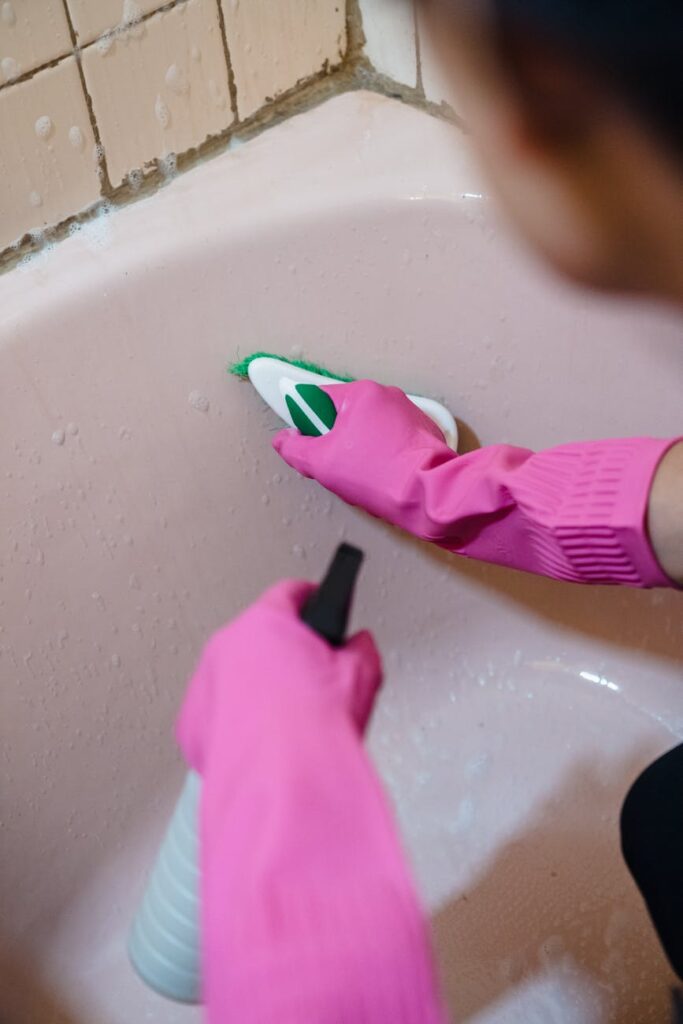
Using a scrub brush or sponge, scrub the moldy areas thoroughly. For tough spots, you may need to apply more cleaning solution and let it sit longer.
Step 5: Rinse and Dry
1. Rinse: Use a damp microfiber cloth to wipe away the cleaning solution, ensuring no residue remains.
2. Dry: Thoroughly dry the area with a clean, dry cloth to prevent new mold growth.
Step 6: Dispose of Waste
Safely dispose of any materials used in the cleaning process, such as sponges or cloths that may contain mold.
Best Cleaning Methods
Different methods can be effective for removing mold from bathroom furniture:
1. White Vinegar: A natural mold killer, effective against most mold strains.
2. Baking Soda: Not only cleans but also deodorizes and prevents future mold growth.
3. Hydrogen Peroxide: A powerful disinfectant that can tackle stubborn mold.
4. Commercial Mold Removers: Specifically designed products can be effective but check for safety and environmental impact.
Common Mistakes to Avoid
Avoid these pitfalls to ensure successful mold removal:
1. Using Bleach: While it may kill mold on the surface, bleach does not penetrate porous materials, allowing mold to return.
2. Skipping Safety Gear: Always wear gloves and a mask to protect yourself from mold spores.
3. Not Ventilating: Failing to ventilate the area can worsen the humidity and make mold removal ineffective.
4. Rushing the Process: Take your time to ensure all mold is removed and areas are properly dried.
Prevention Tips
To keep your bathroom mold-free, implement these preventive measures:
1. Improve Ventilation: Install an exhaust fan and use it during and after showers.
2. Regular Cleaning: Clean surfaces regularly with mold-inhibiting cleaners.
3. Fix Leaks Promptly: Address any plumbing issues immediately to prevent moisture buildup.
4. Use a Dehumidifier: If your bathroom is particularly humid, consider using a dehumidifier.
5. Seal Grout and Caulk: Regularly check and reseal grout and caulk to prevent water infiltration.
Frequently Asked Questions
1. Can I use bleach to remove mold from my bathroom furniture?
Bleach is not recommended as it only kills surface mold and does not penetrate porous materials. Use vinegar or baking soda instead.
2. How often should I clean my bathroom to prevent mold?
A bi-weekly cleaning schedule is ideal to keep mold at bay. Increase frequency in high humidity seasons.
3. What type of furniture is most susceptible to mold?
Wooden furniture is particularly vulnerable due to its porous nature. Regular maintenance is essential.
4. Is it safe to stay in the bathroom while cleaning mold?
If you’re using strong chemicals, it’s best to leave the area ventilated until the cleaning solution dries.
5. Can mold return after cleaning?
Yes, if preventive measures aren’t taken, mold can return. Ensure proper ventilation and regular cleaning.
6. How can I tell if mold is growing behind bathroom furniture?
Signs include a musty smell, discoloration, or water stains. If you suspect mold behind furniture, remove it for inspection and cleaning.
By following this guide, you can effectively remove mold from your bathroom furniture and create a healthier living environment. Stay tuned for Part 2, where we will explore advanced mold prevention techniques and solutions.