
Furniture Mold Removal Appliances Guide Part 2
Introduction
Mold can be a persistent problem for homeowners, especially in areas where moisture accumulates. While many people focus on cleaning surfaces, it’s crucial to remember that mold can also thrive in appliances, particularly those related to furniture care. This guide will help you identify the causes of mold in your appliances and provide actionable steps for effective removal and prevention.
What Causes Appliances?
Mold can develop in various appliances typically used for furniture maintenance, such as steam cleaners, vacuums with upholstery attachments, washers, and even dehumidifiers. The primary conditions that promote mold growth include:
- Moisture: Excessive humidity levels or water accumulation can create an ideal environment for mold.
- Organic Material: Dust, dirt, and food particles can serve as nutrients for mold spores.
- Poor Airflow: Appliances that are not well-ventilated can trap moisture and facilitate mold growth.
- White vinegar
- Baking soda
- A scrub brush
- Microfiber cloths
- Spray bottle
- Gloves
- Protective mask (if necessary)
- Steam Cleaners: These can be effective for removing mold from fabric-covered furniture or surfaces. Use the steam setting and direct the nozzle at the affected areas.
- Vacuum Cleaners: Ensure your vacuum has a HEPA filter. Vacuum the appliance and any surfaces it touches to remove mold spores.
- Dehumidifiers: Regularly clean the water collection tank and filter to prevent moisture buildup and mold growth.
- Washing Machines: For front-loaders, leave the door open when not in use to allow airflow. Regularly clean the gasket and drum with a vinegar solution.
- Store Appliances Properly: Keep appliances in dry, well-ventilated areas.
- Regular Cleaning: Establish a routine to clean appliances and their components regularly.
- Monitor Humidity Levels: Use a hygrometer to keep humidity levels between 30-50%. Consider using a dehumidifier if necessary.
- Change Filters: Regularly replace or clean filters in vacuum cleaners, dehumidifiers, and air conditioning units.
Why This Problem Happens
Understanding why mold develops in appliances is key to effective cleaning. Here are some common reasons:
1. Infrequent Use: Appliances that are seldom used may not dry out completely, leading to mold growth.
2. Dirty Filters: Appliances like dehumidifiers and vacuums can collect dust and moisture, providing a breeding ground for mold.
3. Neglected Maintenance: Regular cleaning and maintenance are essential to prevent mold from taking root.
4. Environmental Factors: Homes with poor ventilation or high humidity levels can exacerbate mold issues.
How to Fix Appliances (Step-by-Step)
Removing mold from appliances requires a systematic approach. Follow these steps to ensure thorough cleaning:
Step 1: Gather Your Supplies
You will need:
Step 2: Unplug and Disassemble
Before cleaning, unplug the appliance and disassemble any removable parts, such as filters or containers. This will allow for a more thorough cleaning.
Step 3: Prepare the Cleaning Solution
Mix equal parts of white vinegar and water in a spray bottle. Vinegar is effective against mold due to its acidity.
Step 4: Spray and Soak
Spray the affected areas with the vinegar solution and let it sit for at least 10 minutes. If mold is particularly stubborn, sprinkle baking soda over the area after spraying to enhance cleaning power.
Step 5: Scrub
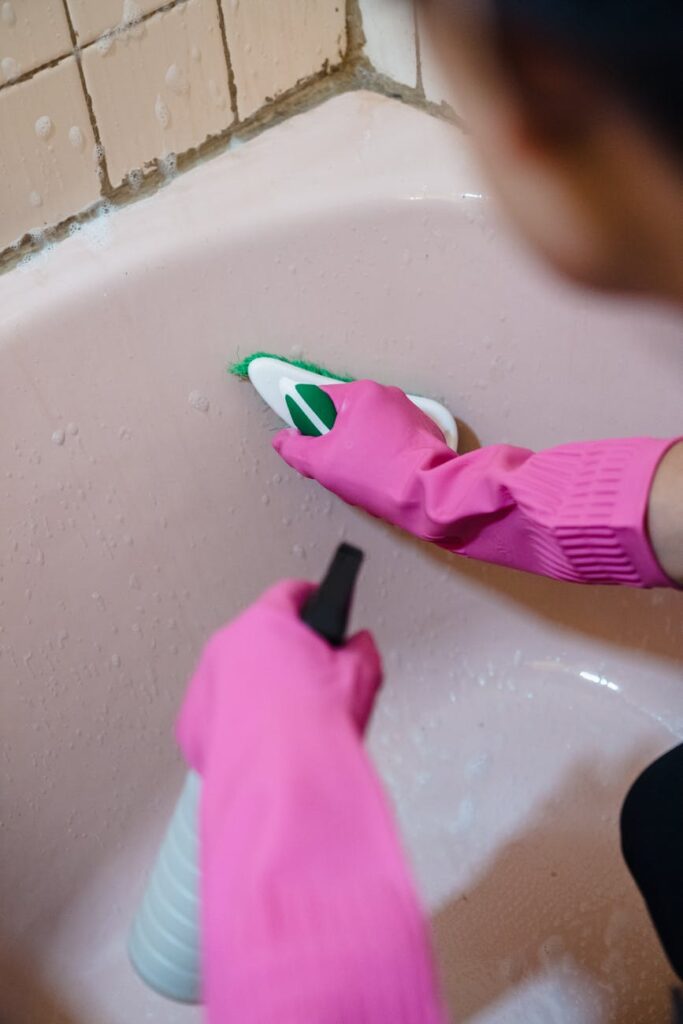
Using a scrub brush, gently scrub the areas with mold. Be thorough but cautious not to damage any surfaces. Rinse the brush often to avoid spreading mold spores.
Step 6: Wipe Down
After scrubbing, use a microfiber cloth to wipe down the surfaces. Make sure to remove any remaining mold and cleaning solution.
Step 7: Dry Completely
Ensure all parts are completely dry before reassembling the appliance. This step is critical to prevent mold from returning.
Step 8: Reassemble and Test
Once everything is dry, reassemble the appliance and plug it back in. Run it for a short period to ensure it’s functioning well.
Best Cleaning Methods
Different appliances may require specific cleaning methods. Here are some effective techniques:
Common Mistakes to Avoid
To ensure effective mold removal, avoid these common pitfalls:
1. Skipping Safety Gear: Always wear gloves and a mask when cleaning mold to protect yourself from allergens.
2. Using Bleach: While bleach can kill mold, it can also damage certain surfaces and may not prevent future growth.
3. Rushing the Drying Process: Mold thrives in moisture. Make sure all parts are completely dry before storing or using the appliance again.
4. Neglecting Regular Maintenance: Don’t wait for mold to appear. Regularly clean your appliances and their components to keep mold at bay.
Prevention Tips
Preventing mold in appliances is easier than dealing with it after it appears. Here are some practical tips:
Frequently Asked Questions
1. How often should I clean my appliances to prevent mold?
Aim for a monthly cleaning schedule, especially for those that are often in contact with moisture.
2. Can I use essential oils to prevent mold?
Certain essential oils, like tea tree oil, have antifungal properties. You can add a few drops to your cleaning solution for added protection.
3. What if the mold is deep within the appliance?
If mold has penetrated deep into the appliance, consider consulting a professional for thorough cleaning or replacement.
4. How do I remove mold from vacuum filters?
Many vacuum filters can be washed with soapy water. Allow them to dry completely before reinserting.
5. Is it safe to use vinegar on all appliance surfaces?
Vinegar is generally safe for most surfaces, but always test a small area first to ensure no damage occurs.
6. How can I tell if my appliance has mold?
Look for visible signs of mold, such as dark spots or a musty smell. Additionally, check for dampness in compartments or filters.
By following these guidelines, you can effectively remove mold from your furniture-related appliances and prevent future growth, ensuring a cleaner and healthier home environment.