
Furniture Mildew Removal: Mould & Damp Guide Part 1
Introduction
Mould and dampness in furniture can be a frustrating and unsightly issue for homeowners. Not only does it compromise the aesthetic appeal of your furniture, but it can also lead to unpleasant odors and potential damage. This guide will provide you with all the essential information you need to tackle mould and damp effectively, ensuring your furniture remains in great condition.
What Causes Mould & Damp?
Understanding the causes of mould and damp is the first step in addressing the problem. Here are the key factors:
1. Humidity: High humidity levels in your home create the perfect environment for mould to thrive.
2. Poor Ventilation: Rooms that lack airflow can trap moisture, leading to damp conditions.
3. Water Damage: Leaks from pipes, roofs, or even spills can introduce moisture into furniture.
4. Temperature Fluctuations: Rapid changes in temperature can cause condensation, which contributes to dampness.
5. Organic Materials: Furniture made of wood, fabric, or other organic materials can absorb moisture, making them susceptible to mould growth.
Why This Problem Happens
Mould thrives in environments with moisture, warmth, and organic material. When the humidity levels rise, the spores present in the air can settle on furniture surfaces, especially in poorly ventilated areas. Over time, given the right conditions, these spores can proliferate, leading to visible mould growth.
Additionally, if you live in a damp climate or if your home has inadequate insulation, the likelihood of mould and damp increases significantly. Recognizing these risk factors is crucial for effective prevention and remediation.
How to Fix Mould & Damp (Step-by-Step)
To effectively remove mould and damp from your furniture, follow these straightforward steps:
Step 1: Identify the Affected Areas
- Visual Inspection: Look for discolored patches, a musty smell, or any visible growth on your furniture.
- Test for Moisture: Use a moisture meter to check if the affected areas are indeed damp.
- Move the Furniture: If possible, relocate the furniture outside or to a well-ventilated area to prevent spreading the spores.
- Use a Soft Brush or Cloth: Gently scrub the area to lift the mould. Avoid using abrasive tools that may damage the furniture.
- Wipe with a Damp Cloth: Use a clean, damp cloth to remove any remaining cleaning solution and mould particles.
- Dry Thoroughly: Ensure the area is completely dry before moving the furniture back. Use fans or dehumidifiers to speed up the drying process.
- Ongoing Monitoring: Keep an eye on the previously affected areas to catch any signs of recurring mould early.
- Vinegar Solution: As mentioned, a mix of water and vinegar can effectively kill mould spores.
- Baking Soda Paste: Mix baking soda with water to create a paste. Apply it to the affected area, let it sit for a few hours, and then scrub and rinse.
- Steam Cleaning: If the fabric is safe for steam cleaning, this can effectively kill mould spores.
- Vinegar Spray: Spray a diluted vinegar solution directly onto the fabric and blot with a clean cloth.
- Mild Soap Solution: Mix a few drops of mild soap with water. Dampen a cloth with this solution and gently clean the leather.
- Condition the Leather: After cleaning, apply a leather conditioner to prevent drying out.
Step 2: Remove Furniture from the Area
Step 3: Clean the Affected Surfaces
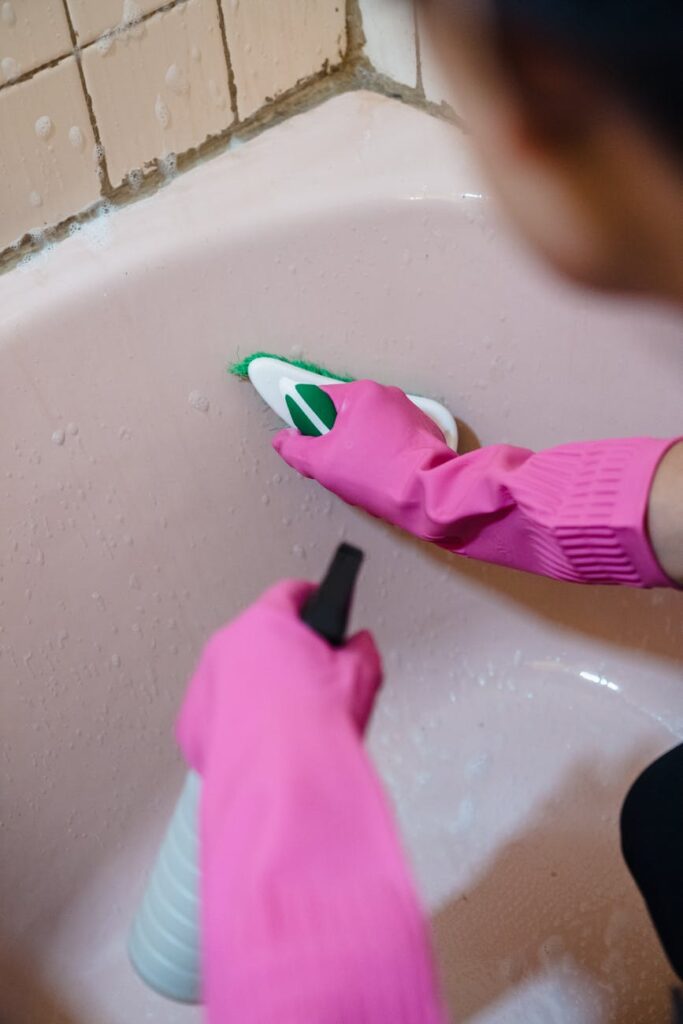
1. Preparation: Wear gloves and a mask to protect yourself from inhaling spores.
2. Mix a Cleaning Solution: Combine equal parts of water and white vinegar in a spray bottle. For tougher mould, use a mixture of water and mild detergent.
3. Apply the Solution: Spray the affected area generously and let it sit for 10-15 minutes.
Step 4: Scrub the Mould Away
Step 5: Rinse and Dry
Step 6: Inspect Regularly
Best Cleaning Methods
When it comes to cleaning mould from furniture, different methods work better depending on the type of material involved. Here are some effective options:
For Wooden Furniture
For Upholstered Furniture
For Leather Furniture
Common Mistakes to Avoid
Avoid these pitfalls for effective mould and damp removal:
1. Ignoring the Source: Failing to address the underlying moisture issue will lead to recurring mould growth.
2. Using Harsh Chemicals: Strong chemicals can damage furniture and may not be effective against mould.
3. Not Drying Completely: Leaving furniture damp can encourage mould to return.
4. Neglecting Regular Maintenance: Regularly checking and cleaning your furniture can prevent mould growth.
Prevention Tips
To keep mould and damp at bay, consider these preventive measures:
1. Control Humidity: Use a dehumidifier in damp areas and maintain indoor humidity levels between 30-50%.
2. Improve Ventilation: Open windows regularly to allow airflow or use exhaust fans in areas prone to moisture.
3. Seal Leaks: Regularly inspect your home for leaks and repair them promptly.
4. Store Furniture Properly: Avoid placing furniture directly against walls, especially in humid areas. Allow space for airflow.
5. Use Mould-Resistant Products: Consider using mould-resistant paints or treatments on wooden furniture.
Frequently Asked Questions
1. How can I tell if my furniture has mould?
Check for visible patches, a musty smell, or discoloration on the surfaces.
2. Can I use bleach to clean mould from furniture?
Bleach is not recommended for cleaning mould on porous surfaces, as it may not penetrate deeply enough and can damage the material.
3. How do I prevent mould from coming back?
Control humidity levels, ensure proper ventilation, and regularly inspect your furniture for moisture.
4. Is it safe to use vinegar on all types of furniture?
While vinegar is generally safe, always test a small, inconspicuous area first to ensure it doesn’t damage the finish.
5. What should I do if the mould returns?
If mould returns, reassess the moisture source and consider consulting a professional for severe infestations.
6. How often should I clean my furniture to prevent mould?
Regular inspections and cleaning every few months can help maintain a mould-free environment.
With these actionable steps and tips, you’re now equipped to tackle mould and damp issues in your furniture effectively. Stay vigilant and proactive to enjoy a clean and healthy home environment.