
Furniture Mildew Removal Kitchen Guide Part 2
Introduction
Mildew in the kitchen can be a persistent problem, affecting not just the aesthetics but also the functionality of your furniture. Whether it’s on cabinets, tables, or chairs, addressing mildew promptly is essential for maintaining a clean and healthy kitchen environment. In this guide, we will explore the causes of kitchen mildew, actionable steps to remove it, effective cleaning methods, common mistakes to avoid, and tips for prevention.
What Causes Kitchen Mildew?
Mildew thrives in warm, damp environments, making kitchens an ideal breeding ground. The primary causes of mildew in kitchens include:
1. High Humidity: Excess moisture in the air, especially during cooking or washing dishes, can lead to mildew growth.
2. Poor Ventilation: Inadequate airflow can trap moisture, promoting mildew development on surfaces.
3. Food Spills: Residue from food and beverages can create a sticky environment, attracting mildew.
4. Leaks: Plumbing leaks or water pooling due to poor drainage can contribute to mildew proliferation.
Why This Problem Happens
Mildew is a type of fungus that reproduces through spores. When conditions are right—specifically warmth, moisture, and organic material—mildew spores can settle and grow on various surfaces. In kitchens, this is often exacerbated by:
- Frequent Cooking: Steam and moisture from cooking can linger on surfaces, especially in poorly ventilated areas.
- Clutter: Stacked dishes, utensils, or other items can retain moisture, creating hidden spots for mildew to thrive.
- Lack of Regular Cleaning: Infrequent cleaning allows mildew spores to settle and grow.
- Rubber gloves
- Masks (to avoid inhaling spores)
- Soft cloths or sponges
- Scrub brush
- Bucket
- Vinegar or hydrogen peroxide
- Baking soda (optional)
- Mild detergent
- Water
How to Fix Kitchen Mildew (Step-by-Step)
Removing mildew from kitchen furniture requires a systematic approach. Follow these steps for effective cleaning:
Step 1: Gather Your Supplies
You’ll need:
Step 2: Prepare the Area
1. Clear the Space: Remove all items from the affected area to prevent contamination.
2. Ventilate: Open windows and turn on exhaust fans to ensure good airflow.
Step 3: Apply Cleaning Solution
1. Vinegar Solution: Mix equal parts of water and white vinegar in a spray bottle. Vinegar is a natural mildew killer.
2. Hydrogen Peroxide: Alternatively, use a 3% hydrogen peroxide solution for tougher mildew.
Step 4: Scrub the Affected Area
1. Spray Generously: Apply your chosen solution directly onto the mildew stains.
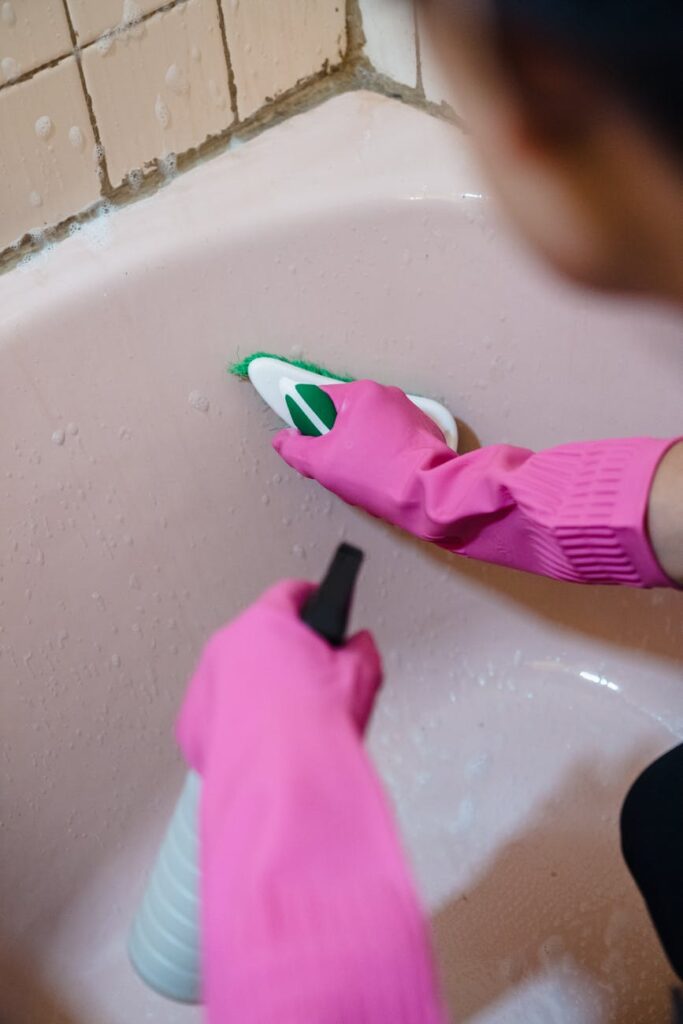
2. Scrub: Use a scrub brush or sponge to gently scrub the area. Be thorough, but avoid damaging the furniture’s finish.
3. Rinse: Wipe down with a clean, damp cloth to remove residue.
Step 5: Dry the Area
1. Wipe Down: Use a dry cloth to wipe the cleaned area.
2. Air Dry: Allow the area to air dry completely. Use fans if necessary.
Step 6: Reassess
1. Check for Remaining Stains: If mildew persists, repeat the process.
2. Inspect Surroundings: Look for other areas where mildew might be hiding.
Best Cleaning Methods
Vinegar and Baking Soda
A combination of vinegar and baking soda creates a powerful cleaning agent. Sprinkle baking soda on the affected area, then spray with vinegar. The fizzing action helps lift mildew.
Commercial Mildew Removers
For stubborn cases, consider a commercial mildew remover. Always follow the manufacturer’s instructions and ensure the product is safe for your furniture material.
Steam Cleaning
If your furniture can withstand it, steam cleaning is effective for removing mildew without chemicals. The heat kills spores and removes stains.
Common Mistakes to Avoid
1. Using Harsh Chemicals: Avoid bleach and ammonia, as they can damage surfaces and produce harmful fumes.
2. Skipping Drying: Failing to dry the area completely can lead to mildew returning.
3. Neglecting Ventilation: Always ensure proper airflow during and after cleaning.
4. Ignoring Hidden Areas: Don’t forget to check behind appliances and in corners where moisture can accumulate.
Prevention Tips
1. Increase Ventilation: Install exhaust fans and open windows during cooking to reduce humidity.
2. Regular Cleaning: Wipe down surfaces regularly to remove moisture and food residue.
3. Use Dehumidifiers: In high-humidity areas, consider using a dehumidifier to maintain ideal moisture levels.
4. Seal Surfaces: Apply a protective sealant to wood furniture to create a barrier against moisture.
5. Fix Leaks Promptly: Address any plumbing issues as soon as they arise to prevent water buildup.
Frequently Asked Questions
1. How can I tell if I have mildew or mold in my kitchen?
Mildew usually appears as a powdery or fluffy surface growth that can be white, gray, or black. Mold is often thicker and can be various colors. Both have a musty smell.
2. Is it safe to use vinegar on all kitchen surfaces?
Vinegar is generally safe for most surfaces but avoid using it on natural stone, as the acidity can damage it. Always do a spot test first.
3. Can I prevent mildew with essential oils?
Some essential oils, like tea tree oil and lavender, have antifungal properties. Adding a few drops to your cleaning solution can help deter mildew.
4. How often should I clean my kitchen to prevent mildew?
Aim for a thorough clean at least once a week, with spot cleaning as needed, especially after cooking.
5. What should I do if mildew keeps returning?
If mildew continues to be a problem, investigate potential sources of moisture, such as leaks or poor ventilation, and address those issues.
6. Can I use a pressure washer to clean outdoor kitchen furniture?
A pressure washer can be effective for outdoor furniture but use caution. Ensure that the furniture material can withstand high pressure and avoid using it on painted or delicate surfaces.
By following this guide, you can effectively combat and prevent mildew in your kitchen furniture, ensuring a cleaner, more pleasant cooking environment. Regular maintenance and attention to humidity levels will go a long way in keeping your kitchen mildew-free.