
Furniture Mildew Removal Kitchen Guide Part 1
Introduction
Mildew in the kitchen is not just an eyesore; it can also lead to unpleasant odors and potential health issues. In this guide, we will tackle the causes of mildew, how to effectively remove it, and tips to prevent its return. Whether you have wooden cabinets, upholstered chairs, or dining tables, this guide will provide you with practical steps to restore your kitchen furniture to its former glory.
What Causes Kitchen Mildew?
Mildew thrives in warm, moist environments, making the kitchen a prime candidate for growth. The primary factors contributing to mildew growth include:
1. High Humidity: Kitchens often experience elevated humidity levels due to cooking and dishwashing.
2. Poor Ventilation: Lack of airflow can trap moisture, creating a breeding ground for mildew.
3. Leaks and Spills: Accidental spills or plumbing leaks can create damp spots that attract mildew.
4. Organic Material: Food residues on surfaces can provide nutrients for mildew growth.
Why This Problem Happens
Mildew develops when spores land on damp surfaces. In kitchens, this can happen quickly due to:
- Temperature Fluctuations: The heat from cooking can increase moisture levels, especially if the kitchen is not well-ventilated.
- Condensation: Cold surfaces like refrigerators can collect moisture, which may lead to mildew.
- Neglected Areas: Spaces behind appliances, under sinks, and in corners often go unnoticed and can accumulate moisture and mildew.
- Rubber gloves
- Mask (to avoid inhaling spores)
- Soft scrub brush or sponge
- Bucket
- White vinegar or a commercial mildew remover
- Baking soda (optional)
- Clean cloths or paper towels
- Spray bottle
- Cabinets
- Tables
- Chairs
- Walls or ceilings near the stove
- Ignoring Early Signs: Don’t wait until the mildew is widespread. Address small patches immediately.
- Using Harsh Chemicals: Avoid bleach, as it can damage surfaces and may not effectively kill mildew.
- Not Ventilating: Failing to ventilate your kitchen while cooking can worsen moisture problems.
- Skipping Drying: Always ensure surfaces are completely dry after cleaning to prevent mildew from returning.
Understanding these causes is the first step in effectively tackling the problem of mildew in your kitchen.
How to Fix Kitchen Mildew (Step-by-Step)
Step 1: Gather Your Supplies
Before you start, make sure you have the following items:
Step 2: Identify Affected Areas
Inspect your kitchen furniture carefully. Look for dark patches, fuzzy growth, or a musty smell. Common areas include:
Step 3: Prepare the Cleaning Solution
For a natural solution, mix equal parts of white vinegar and water in a spray bottle. If using a commercial mildew remover, follow the manufacturer’s instructions.
Step 4: Apply the Solution
Spray the affected areas generously with your cleaning solution. Allow it to sit for at least 10-15 minutes. This will help to kill the mildew spores.
Step 5: Scrub the Area
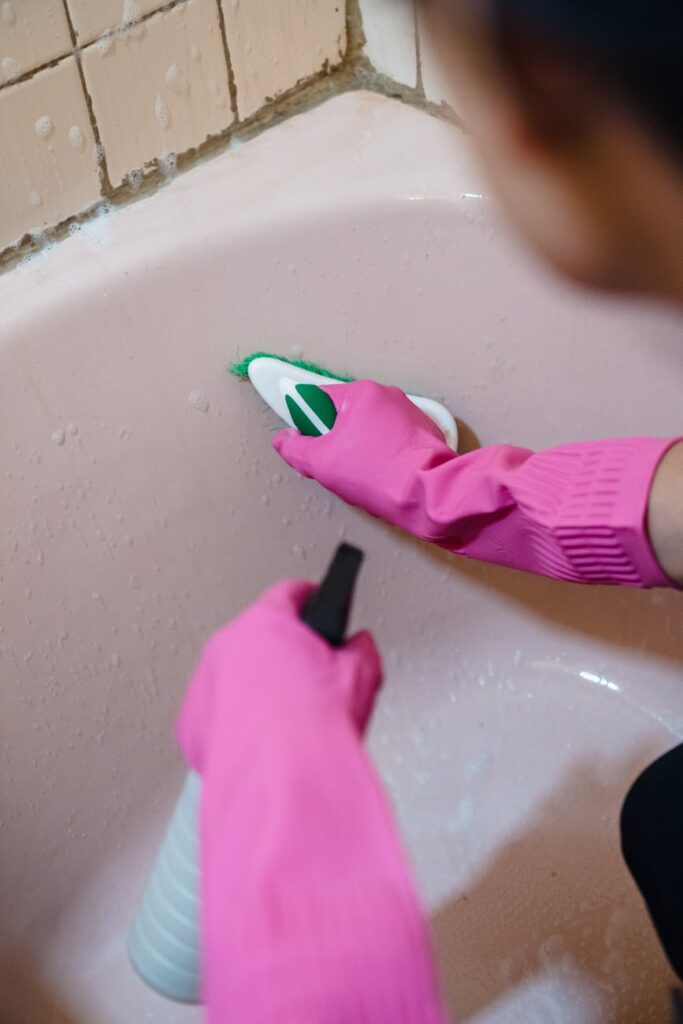
Using a soft scrub brush or sponge, scrub the area gently to remove the mildew. Be thorough, especially in crevices and corners.
Step 6: Rinse and Dry
After scrubbing, wipe the area with a clean, damp cloth to remove any residue. Make sure to dry the surface completely, as moisture can lead to a recurrence of mildew.
Step 7: Dispose of Contaminated Materials
If any furniture or materials are heavily infested and cannot be cleaned, consider disposing of them to prevent further spread.
Best Cleaning Methods
1. White Vinegar
Vinegar is a natural disinfectant that can effectively kill mildew. It’s safe for most surfaces and doesn’t leave harmful residues.
2. Baking Soda
For stubborn stains, make a paste of baking soda and water. Apply it to the mildew, let it sit for a few minutes, and then scrub.
3. Commercial Mildew Removers
If natural solutions don’t work, consider using commercial products designed to kill mildew. Always read labels for safety instructions and compatibility with your furniture materials.
4. Steam Cleaning
For upholstered furniture, steam cleaning can be an effective way to remove mildew. The high temperature can kill spores without damaging the fabric.
Common Mistakes to Avoid
Prevention Tips
1. Improve Ventilation: Use exhaust fans while cooking and open windows for airflow.
2. Control Humidity: Use a dehumidifier in the kitchen if humidity levels are consistently high.
3. Regular Cleaning: Clean surfaces regularly to remove food residues and moisture.
4. Fix Leaks Promptly: Check for and repair any plumbing leaks immediately.
5. Store Food Properly: Keep food sealed and stored to minimize spills and residues.
Frequently Asked Questions
1. How can I tell if I have mildew or mold?
Mildew typically appears as a flat, powdery substance and is often white or gray. Mold can be fuzzy and comes in various colors. Both can have a musty odor.
2. Is it safe to use bleach to remove mildew?
While bleach is effective at killing mildew, it can damage surfaces and create harmful fumes. It’s best to use vinegar or commercial mildew removers instead.
3. How often should I check for mildew in my kitchen?
Regular checks every few months are advisable, especially in areas prone to moisture, like under the sink and behind appliances.
4. Can I prevent mildew from returning?
Yes, maintaining good ventilation, controlling humidity, and regular cleaning can help prevent mildew from returning.
5. What if mildew has damaged my furniture?
If the damage is extensive, consider consulting a professional cleaner or replacing the affected furniture.
6. Can I use essential oils to prevent mildew?
Some essential oils, like tea tree oil, have antifungal properties. However, they are not a standalone solution and should be used in conjunction with proper cleaning and maintenance.
By following this guide, you can effectively remove and prevent mildew in your kitchen furniture, ensuring a clean and healthy environment for you and your family. Stay tuned for Part 2, where we will cover advanced techniques and solutions for stubborn mildew issues!