
Furniture Mildew Removal Bathroom Guide Part 2
Introduction
Mildew in the bathroom can be a persistent problem, especially on wooden furniture and surfaces. This guide will provide practical steps for removing mildew effectively and preventing its return. Whether it’s your vanity, cabinets, or shelves, tackling mildew can restore the beauty and functionality of your bathroom furniture.
What Causes Mildew in the Bathroom?
Mildew thrives in warm, humid environments, making bathrooms a prime target. Here are some common factors that contribute to mildew growth:
1. High Humidity Levels: Bathrooms often retain moisture from showers and baths.
2. Poor Ventilation: Lack of airflow can trap humidity, providing an ideal environment for mildew.
3. Water Leaks: Leaky pipes or fixtures can create damp spots that promote mildew.
4. Dirty Surfaces: Soap scum, hair, and other debris can feed mildew spores.
5. Infrequent Cleaning: Neglecting regular cleaning allows mildew to establish itself.
Why This Problem Happens
Mildew is a type of fungus that reproduces through spores. When conditions are right—specifically warmth and moisture—these spores can flourish. Bathrooms, often lacking adequate air circulation, create a perfect breeding ground. Additionally, if furniture is made from porous materials like wood, it can absorb moisture, worsening the mildew problem.
How to Fix Mildew in the Bathroom (Step-by-Step)
1. Gather Your Supplies:
- Rubber gloves
- Face mask (to avoid inhaling spores)
- Bucket
- Sponge or scrub brush
- Cleaning solution (either commercial mildew remover or a DIY solution)
- Microfiber cloth
- Remove all items from the affected furniture.
- Ensure the bathroom is well-ventilated by opening windows and turning on exhaust fans.
- For a DIY solution, mix one cup of bleach with a gallon of water or use white vinegar undiluted.
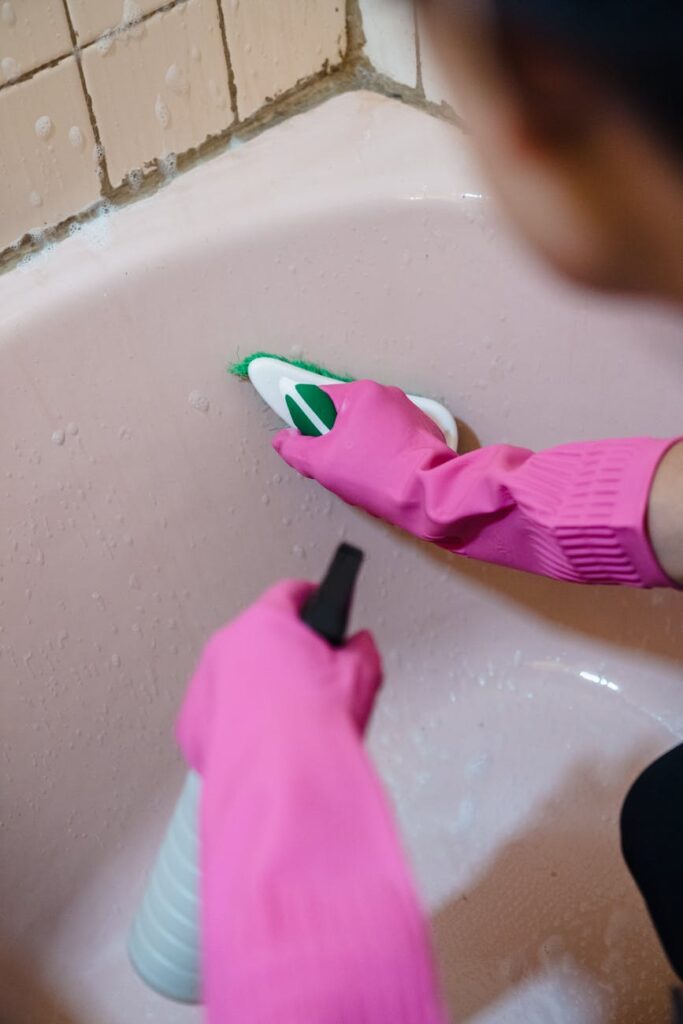
- Using a sponge or scrub brush, apply the solution generously to the affected areas.
- Allow the solution to sit for about 10–15 minutes to kill the mildew spores.
- Scrub vigorously with the brush or sponge to remove mildew stains.
- Use a clean, damp cloth to wipe away the cleaning solution. Ensure no residue remains, as it can attract more dirt.
- Use a microfiber cloth to dry the cleaned surfaces completely. This step is crucial to prevent mildew from re-establishing.
- Once the area is dry, inspect it for any remaining mildew. If necessary, repeat the cleaning process.
- Replace items, ensuring they are dry before putting them back.
- Bleach Solution: Effective for killing mildew but should be used with caution. Always ventilate the area and wear protective gear.
- Vinegar: A natural alternative that can kill about 82% of mold species. Spray undiluted vinegar on the affected area and let it sit for an hour before wiping.
- Baking Soda Paste: Mix baking soda with water to create a paste. Apply it to mildew, let it sit, then scrub and rinse.
- Commercial Mildew Removers: Look for products specifically formulated for bathroom use. Follow the manufacturer’s instructions for the best results.
2. Prepare the Area:
3. Apply the Cleaning Solution:
4. Scrub the Affected Areas:
5. Rinse the Area:
6. Dry Thoroughly:
7. Inspect and Reorganize:
Best Cleaning Methods
Common Mistakes to Avoid
1. Skipping Safety Gear: Always wear gloves and a mask to protect against spores and harsh chemicals.
2. Using Too Much Water: Excessive moisture can worsen mildew. Use damp, not soaking, cleaning methods.
3. Neglecting the Source: If you don’t address the underlying humidity issue, mildew will return.
4. Not Ventilating the Area: Failing to ventilate can cause moisture to linger, promoting mildew growth.
5. Ignoring Regular Maintenance: Cleaning occasionally is not enough. Establish a routine to keep mildew at bay.
Prevention Tips
1. Improve Ventilation: Install an exhaust fan or open windows after bathing to reduce humidity.
2. Use Dehumidifiers: Consider a dehumidifier to control moisture levels in the bathroom.
3. Seal Wooden Furniture: Apply a protective sealant to wooden surfaces to prevent moisture absorption.
4. Regular Cleaning: Establish a cleaning schedule that includes wiping down surfaces and checking for mildew.
5. Store Items Properly: Keep toiletries and towels in dry areas to minimize moisture accumulation.
6. Use Mildew-Resistant Products: Consider using mildew-resistant paints and sealants for bathroom furniture.
Frequently Asked Questions
1. How often should I clean mildew from my bathroom furniture?
Aim to clean your bathroom furniture at least once a month, but if you notice mildew, address it immediately.
2. Can I prevent mildew with just regular cleaning?
While regular cleaning is essential, you must also control humidity and improve ventilation to effectively prevent mildew.
3. Is vinegar effective against all types of mildew?
Vinegar is effective against many types of mildew, but for severe infestations, you may need a stronger solution like bleach.
4. What should I do if mildew keeps coming back?
Examine the underlying causes, such as leaks or inadequate ventilation. You may also need to treat the area more frequently or consider professional help.
5. Can I use essential oils as a natural mildew remover?
Certain essential oils, like tea tree oil or lavender, have antifungal properties. Mixing them with water can create a natural spray for prevention.
6. Will mildew damage my furniture permanently?
If caught early, mildew can often be removed without lasting damage. However, prolonged exposure can weaken and stain wooden furniture.
By following these practical steps, you can effectively remove mildew from your bathroom furniture and prevent its recurrence, ensuring a clean and healthy bathroom environment.