
Furniture Grease Stains Bathroom Guide Part 2
Introduction
Grease stains in the bathroom can be a frustrating problem for homeowners. Often overlooked, these stains can accumulate from various sources, including hair products, lotions, or even cooking residue on towels. In this guide, we’ll explore what causes these stains, why they occur, effective step-by-step cleaning methods, and tips to avoid them in the future.
What Causes Bathroom Grease Stains?
Understanding the sources of grease stains in your bathroom is the first step to tackling them effectively. Common causes include:
1. Hair Products: Oils in shampoos, conditioners, and hair styling products can leave greasy residues.
2. Lotions and Creams: Moisturizers and body creams often contain oils that can transfer onto surfaces.
3. Bathroom Fixtures: Frequent use of taps and sinks can lead to grease buildup around the edges.
4. Towels and Linens: If towels or linens have been used in the kitchen or are washed with greasy items, they can transfer that grease to bathroom surfaces.
5. Cosmetics: Foundations and other beauty products can contain oils that leave stains on counters and mirrors.
Why This Problem Happens
Grease stains tend to stick due to their oily nature, making them challenging to remove without the right approach. Bathrooms are often humid environments, which can exacerbate the problem. Moisture allows grease to spread and cling to surfaces, creating a more significant issue over time if not addressed.
How to Fix Bathroom Grease Stains (Step-by-Step)
Step 1: Gather Your Supplies
Before you start cleaning, gather the following items:
- Dish soap
- White vinegar
- Baking soda
- Microfiber cloths or sponges
- An old toothbrush (for scrubbing)
- Spray bottle
- Warm water
- Rubber gloves
- 1 cup of warm water
- 1 tablespoon of dish soap
- 1 tablespoon of white vinegar
- Using Harsh Chemicals: Avoid bleach and ammonia-based cleaners, as they can damage surfaces and create harmful fumes in enclosed spaces.
- Not Testing First: Always test any cleaning solution on a small, inconspicuous area before applying it to the entire stain.
- Neglecting to Rinse: Failing to rinse thoroughly can leave soap residue, which attracts more dirt and grease over time.
- Ignoring Regular Cleaning: Allowing grease to build up can make future cleaning more difficult.
Step 2: Identify the Affected Areas
Examine your bathroom carefully. Look at sinks, counters, and areas around fixtures. Identify all spots with grease stains for effective cleaning.
Step 3: Prepare a Cleaning Solution
Mix a solution using:
This blend will help to break down grease effectively.
Step 4: Apply the Solution
Using a microfiber cloth or sponge, dip it into the cleaning solution and apply it directly to the grease stains. Allow it to sit for about 10-15 minutes. This will give the solution time to penetrate the grease.
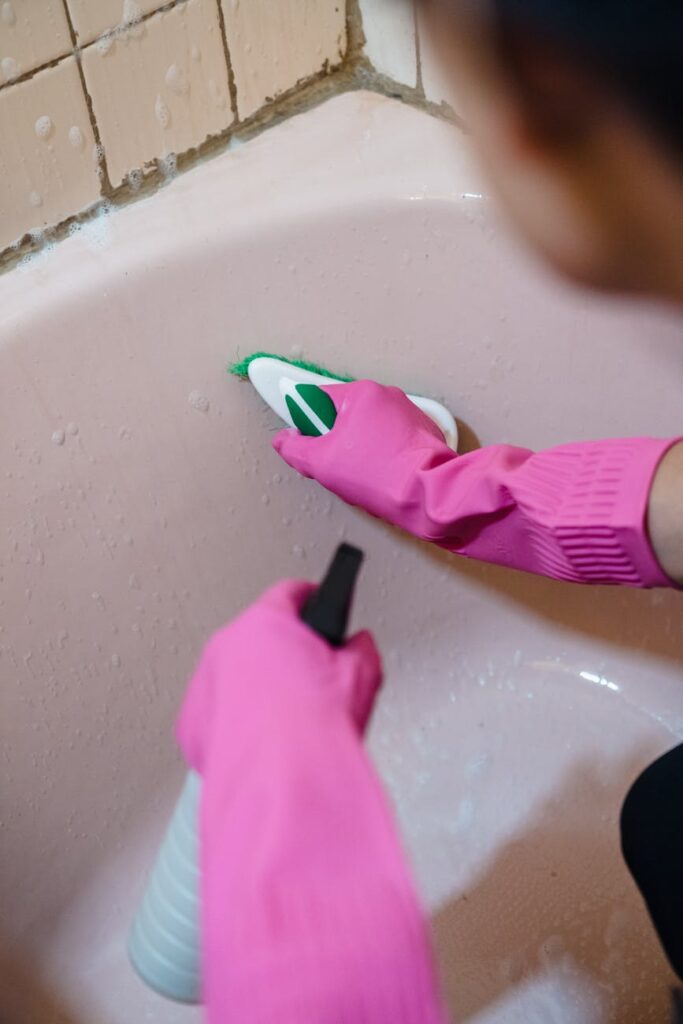
Step 5: Scrub the Area
After letting the solution sit, use an old toothbrush or sponge to scrub the stained area gently. Be cautious not to damage any surfaces.
Step 6: Rinse Thoroughly
Once you’ve scrubbed the area, rinse it well with warm water. Make sure to remove all soap residues to prevent any buildup.
Step 7: Dry the Surface
Use a clean, dry microfiber cloth to wipe down the area. This helps prevent any moisture from attracting more dirt or grease.
Best Cleaning Methods
1. Dish Soap and Vinegar: A reliable method for removing grease without harsh chemicals.
2. Baking Soda Paste: Mix baking soda with a little water to create a paste. Apply it to stubborn stains and let it sit for 30 minutes before scrubbing.
3. Commercial Grease Cleaners: If home remedies don’t work, consider using a commercial cleaner specifically designed for grease removal. Always follow the manufacturer’s instructions.
4. Steam Cleaning: Using a steam cleaner can effectively lift grease stains from surfaces like tiles and grout.
Common Mistakes to Avoid
Prevention Tips
1. Wipe Down Surfaces Regularly: After using hair products or lotions, quickly wipe down counters and sinks to prevent buildup.
2. Use Grease-Free Products: Opt for products labeled as “non-greasy” to minimize the chances of stains.
3. Keep Bathroom Ventilated: Good airflow reduces humidity, which can help prevent grease from clinging to surfaces.
4. Wash Towels Separately: Avoid washing bath linens with greasy kitchen items to minimize transfer.
5. Invest in Quality Liners: Use quality shower liners that resist soap and oil buildup.
Frequently Asked Questions
1. Can I use vinegar on all surfaces?
Vinegar is generally safe for most surfaces but avoid using it on natural stone, as it can cause damage.
2. How often should I clean for grease?
Regular cleaning every week can help keep grease at bay, with deeper cleaning once a month.
3. What if the stain doesn’t come out?
If the stain persists, consider repeating the cleaning process or using a commercial cleaner designed for tough stains.
4. Are there any natural alternatives to commercial cleaners?
Yes, alternatives like lemon juice, essential oils, and baking soda are effective natural cleaning agents.
5. Is it safe to mix baking soda and vinegar?
While they can be effective together, mixing them creates a fizzing reaction. Use them separately for better results.
6. How can I maintain a grease-free environment?
Regular cleaning, using grease-free products, and proper ventilation can significantly help maintain a clean, grease-free bathroom.
By understanding the causes and employing effective cleaning methods, you can keep your bathroom furniture grease-free and looking its best. Regular maintenance and attention to detail will ensure your bathroom remains a welcoming space.