
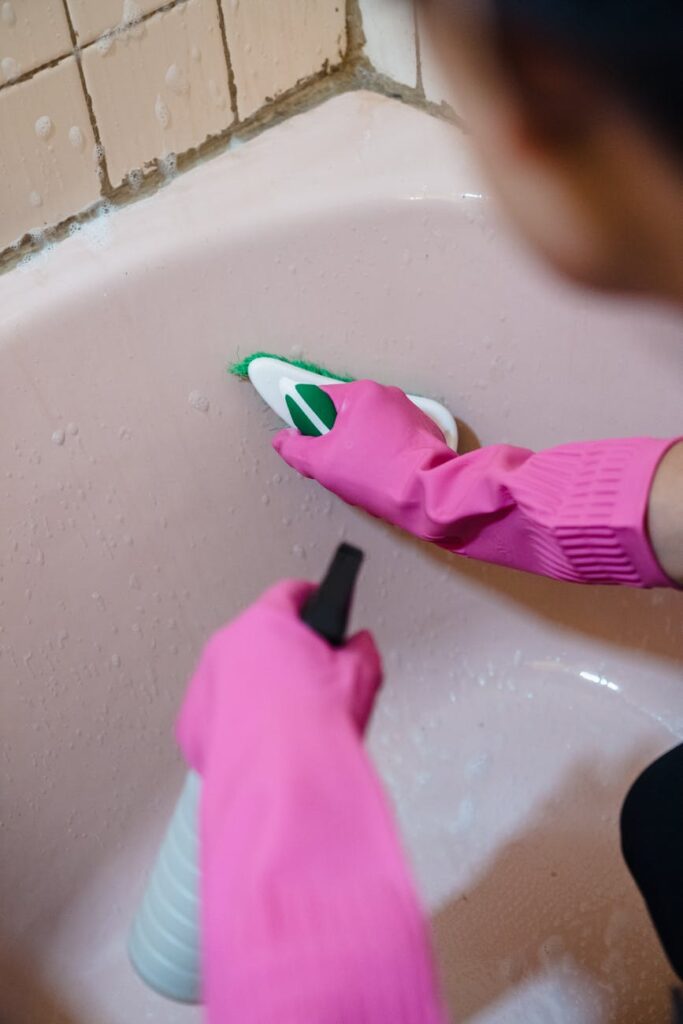
Furniture Grease Stains Appliances Guide Part 2
Introduction
Grease stains can be a nightmare for homeowners, especially when they settle on appliances. Not only are these stains unsightly, but they also attract dust and grime, which can lead to further cleaning issues. In this guide, we will explore what causes these grease stains, how to effectively remove them, and how to prevent them from recurring. Whether you’re dealing with a greasy stove or a messy refrigerator, we’ve got you covered.
What Causes Appliances?
Appliances are often the focal point of a kitchen, and they are prone to grease stains due to several common factors:
1. Cooking Residue: Spattering oil from pans can easily land on stovetops, ovens, and nearby surfaces.
2. Food Spills: Sauces and marinades can spill during cooking or serving, leaving sticky residues.
3. Improper Cleaning: Using the wrong cleaning products or methods can exacerbate grease accumulation.
4. High Humidity: In humid environments, grease can become sticky and attract more dirt and dust.
Why This Problem Happens
The nature of grease is such that it adheres to surfaces easily. When heated, grease can become even stickier, making it difficult to remove. Additionally, neglecting regular cleaning can lead to a build-up of grease over time, turning small stains into larger, more stubborn problems. Understanding these causes can help you tackle grease stains more effectively.
How to Fix Appliances (Step-by-Step)
Step 1: Gather Your Supplies
Before you start cleaning, gather the following items:
- Dish soap
- Baking soda
- White vinegar
- Microfiber cloths or sponges
- Soft-bristle brush
- Spray bottle
- Warm water
- Using Abrasive Cleaners: Avoid steel wool or harsh scrubbing pads, as they can scratch delicate surfaces.
- Cleaning in Direct Sunlight: This can cause cleaning solutions to dry too quickly and leave streaks.
- Neglecting Regular Maintenance: Regular cleaning can prevent grease build-up and make future cleaning easier.
- Not Testing Cleaners: Always test a new cleaning solution on a small, inconspicuous area first to ensure it doesn’t damage the surface.
Step 2: Initial Wipe Down
Using a damp microfiber cloth, wipe down the appliance to remove any loose debris or dust. This will make the cleaning process more effective.
Step 3: Create a Cleaning Solution
Mix one part dish soap with two parts warm water in a spray bottle. For tougher stains, sprinkle baking soda directly on the stain and then spray the soapy water over it. Let it sit for 10-15 minutes.
Step 4: Scrub the Stains
Using a soft-bristle brush or a sponge, gently scrub the stained area. Be careful not to use anything abrasive that might scratch the surface.
Step 5: Rinse
Dampen a clean cloth with warm water and wipe away the soap and grease residue. Make sure to remove all cleaning solution to avoid streaks.
Step 6: Dry the Surface
Use a dry microfiber cloth to buff the surface and remove any remaining moisture. This will help to prevent future grease accumulation.
Best Cleaning Methods
Method 1: Dish Soap and Baking Soda
This combination is effective for most grease stains. The dish soap cuts through the grease, while the baking soda acts as a gentle abrasive.
Method 2: Vinegar and Water
For a natural solution, mix equal parts white vinegar and water in a spray bottle. Spray the solution on the grease stains, let it sit for a few minutes, and wipe clean with a cloth.
Method 3: Commercial Degreasers
For tough, baked-on grease, consider using a commercial degreaser. Follow the manufacturer’s instructions closely for the best results.
Common Mistakes to Avoid
Prevention Tips
1. Cover Your Appliances: Use splatter screens or lids when cooking to minimize grease spattering.
2. Regular Cleaning Schedule: Establish a routine cleaning schedule to keep grease and grime at bay.
3. Use a Range Hood: Activate your range hood while cooking to help reduce airborne grease.
4. Wipe Spills Immediately: Promptly clean up any spills to prevent them from becoming tougher stains later on.
Frequently Asked Questions
1. How often should I clean my appliances to prevent grease stains?
Aim to clean your appliances at least once a week, especially if you cook frequently.
2. Can I use vinegar on all types of appliances?
While vinegar is safe for many surfaces, avoid using it on natural stone or unsealed wood. Always check the manufacturer’s guidelines.
3. What if the grease stain doesn’t come off?
If the stain persists, repeat the cleaning process or use a commercial degreaser. For very stubborn stains, consider consulting a professional cleaner.
4. Is it safe to mix vinegar and baking soda?
Yes, mixing vinegar and baking soda is safe, but it will produce a fizzy reaction. Use this method for tougher stains, but apply them separately for best results.
5. What types of appliances are most prone to grease stains?
Stovetops, ovens, and microwaves are the most common appliances affected by grease stains, but dishwashers and refrigerators can also be prone to spills.
6. Can I use essential oils in my cleaning solution?
Yes, adding a few drops of essential oils like lemon or tea tree oil can enhance the cleaning power and leave a pleasant scent. Just be sure to test first!
By following these guidelines, you can effectively tackle grease stains on your appliances and maintain a clean, inviting kitchen. Remember, consistent cleaning and preventative measures will save you time and effort in the long run.