
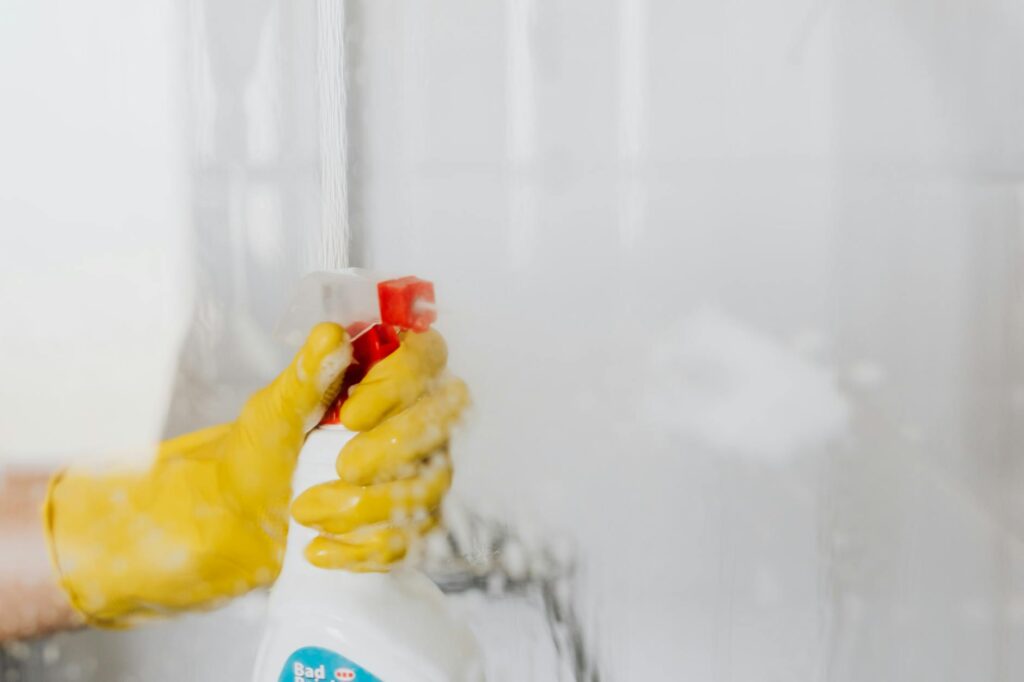
Fridge Odor Removal Kitchen Guide Part 1
Introduction
A fridge should be a place of freshness, yet many homeowners face the unpleasant challenge of lingering odors. Whether it’s a forgotten vegetable or a spill that went unnoticed, odors can make opening the fridge less than appealing. This guide will help you understand the causes of fridge odors and provide actionable steps to eliminate them effectively.
What Causes Kitchen Odors?
Fridge odors typically stem from food spoilage, spills, or improper storage. Here are some common culprits:
- Expired Food: Old leftovers, moldy fruits, or expired dairy can be significant sources of smell.
- Spills: Liquid spills from containers can seep into crevices and create bacteria growth.
- Improperly Sealed Containers: Foods that aren’t sealed properly can release odors and contaminate other items.
- Old Ice: Ice that has absorbed odors from the fridge can transfer those smells to your beverages and food.
- Absence of Airflow: Overcrowding the fridge can restrict airflow, leading to stale odors.
- Bacteria Growth: Spoiled food provides a breeding ground for bacteria, which produces unpleasant smells.
- Moisture: High humidity can exacerbate odors, especially if spills aren’t cleaned promptly.
- Chemical Reactions: Certain foods release gases that can lead to off-putting scents when they break down.
- Temperature Fluctuations: If the fridge isn’t kept at a consistent, cool temperature, food can spoil faster.
- Take Everything Out: Remove all food items, condiments, and drinks. Place them in a cooler with ice packs if necessary.
- Check Expiry Dates: Discard any expired or spoiled items. Don’t forget to check hidden corners for forgotten food.
- Prepare a Cleaning Solution: Mix equal parts of water and white vinegar in a spray bottle.
- Wipe Surfaces: Spray the solution on shelves, walls, and the fridge door. Use a clean cloth to wipe down all surfaces, paying special attention to spills and stains.
- Remove Shelves and Drawers: If possible, take out removable parts and wash them in warm, soapy water.
- Use Baking Soda: Place an open box of baking soda on a shelf to neutralize odors. Alternatively, sprinkle some baking soda on a plate and place it inside.
- Try Activated Charcoal: For stronger odors, consider activated charcoal bags, which are exceptionally effective in absorbing smells.
- Locate the Drip Pan: Check your fridge model to find the drip pan, usually located underneath.
- Clean Thoroughly: Empty and wash the pan with warm, soapy water to remove any buildup.
- Check Containers: Ensure all food items are in airtight containers. This prevents odors from escaping.
- Organize Smartly: Store stronger-smelling foods (like onions and cheeses) in separate containers to avoid cross-contamination of odors.
- Vinegar: A natural disinfectant that neutralizes odors effectively.
- Baking Soda: A tried-and-true method for absorbing and neutralizing smells.
- Lemon Juice: The acidity of lemon juice can freshen and deodorize surfaces.
- Essential Oils: A few drops of essential oils (like lemon or tea tree) mixed with water can provide a pleasant scent.
- Ignoring Spills: Failing to clean spills promptly allows bacteria to thrive.
- Overcrowding: Stuffing your fridge limits airflow and can trap odors.
- Using Strong Chemicals: Avoid harsh cleaners that can leave chemical residues or create unpleasant reactions with food.
- Neglecting Regular Maintenance: Don’t wait for odors to build up; clean your fridge every few months.
- Regular Checks: Go through your fridge weekly to remove expired food.
- Proper Storage: Use airtight containers for strong-smelling foods and label leftovers with dates.
- Maintain Temperature: Ensure your fridge is set between 35°F and 38°F (1.6°C to 3.3°C) to keep food fresh.
- Airflow: Avoid overcrowding to allow air to circulate freely.
Why This Problem Happens
Understanding why these odors develop can help you tackle the problem effectively:
How to Fix Kitchen Odors (Step-by-Step)
Removing odors from your fridge requires a systematic approach. Follow these steps to restore freshness:
Step 1: Empty the Fridge
Step 2: Clean the Interior
Step 3: Deodorize
Step 4: Clean the Drip Pan
Step 5: Return Food and Organize
Best Cleaning Methods
Selecting the right cleaning methods can enhance your odor removal efforts:
Common Mistakes to Avoid
Even with the best intentions, it’s easy to make mistakes. Here’s what to avoid:
Prevention Tips
To keep your fridge smelling fresh, implement these preventive measures:
Frequently Asked Questions
1. How often should I clean my fridge?
It’s recommended to clean your fridge every three months, but a quick check for expired items should be done weekly.
2. Can I use bleach to clean my fridge?
Bleach is not recommended as it can leave harmful residues. Stick to vinegar or baking soda for safe cleaning.
3. How do I know if the odor is coming from my fridge?
If the odor is strong when the fridge is closed, it’s likely coming from inside. If it’s faint, it could be from the surrounding kitchen area.
4. How can I freshen my fridge between cleanings?
Place an open box of baking soda or activated charcoal inside your fridge to absorb odors.
5. Why does my fridge smell like fish?
This could be due to spoiled seafood or other strong-smelling foods. Ensure you check all items and clean any spills immediately.
6. What should I do if the smell persists even after cleaning?
If odors persist, check for hidden spills, clean the drip pan, and consider running an odor absorber like activated charcoal for a few days.
By following this guide, you can tackle fridge odors efficiently and maintain a clean and fresh kitchen environment. Keep an eye on your fridge’s contents, and it will serve you well!