
Fridge Mildew Removal Kitchen Guide Part 2
Introduction
Keeping your fridge clean is essential for maintaining food safety and freshness. One of the most common issues homeowners face is mildew growth inside the fridge. This guide will help you understand the causes of mildew, how to effectively remove it, and tips for preventing it from returning.
What Causes Kitchen Mildew?
Mildew thrives in damp, warm environments, making your fridge an ideal breeding ground. Factors contributing to mildew growth include:
- High Humidity: Excess moisture from food, spills, or poor ventilation.
- Food Residue: Leftover food can create a breeding ground for mildew.
- Temperature Fluctuations: Keeping the fridge door open too long or maintaining inconsistent temperatures can encourage mildew growth.
- Poor Cleaning Habits: Infrequent cleaning allows mildew to develop unnoticed.
- Humidity and Temperature: Mildew spores are present in the air and can settle in damp areas. If the humidity inside your fridge is high, spores can germinate quickly.
- Food Spoilage: Decomposing food emits moisture, further raising humidity levels and providing nutrients for mildew.
- Inadequate Airflow: Packed fridges can restrict airflow, creating pockets of stagnant air that are prone to mildew growth.
- Remove all items from the fridge, including condiments and any expired or spoiled food. Check for any food items that may be contributing to the problem.
- Look for visible signs of mildew on shelves, walls, and food containers. Pay attention to corners and seals where moisture can accumulate.
- Mix a cleaning solution using equal parts water and white vinegar or baking soda. Both are effective against mildew and safe for food surfaces.
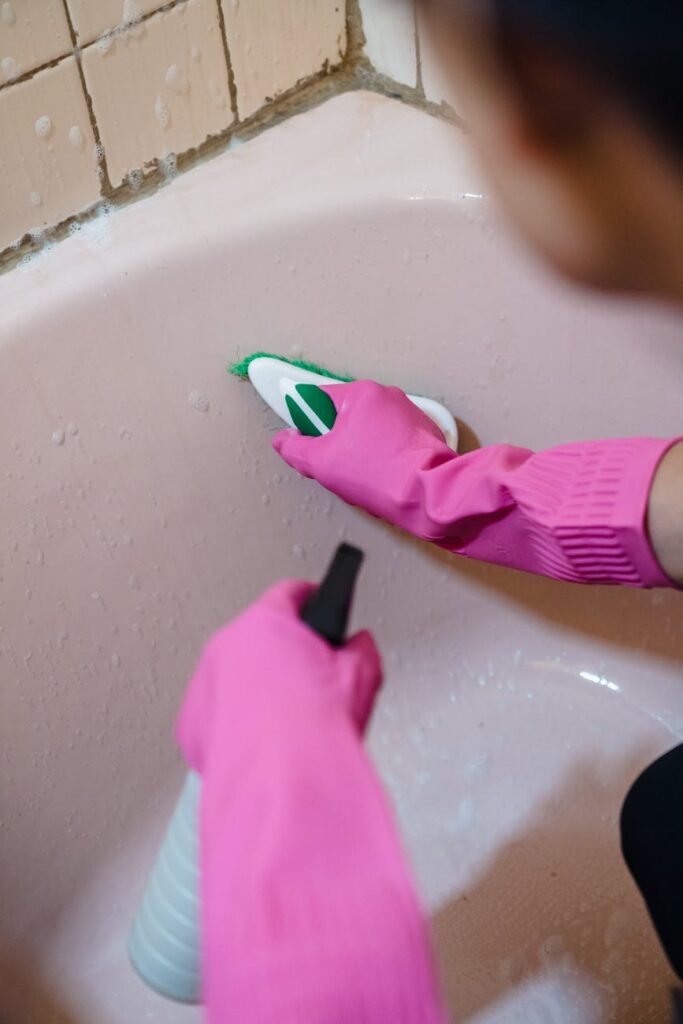
- Use a soft cloth or sponge to scrub the mildew-affected areas. Be thorough, as mildew can hide in crevices. For stubborn patches, let the solution sit for a few minutes before scrubbing.
- Wipe down the surfaces with clean water and a cloth to remove any cleaning solution residue. Ensure everything is dry to prevent future mildew growth.
- Return food items to the fridge, ensuring containers are clean and dry. Organize items to allow for better airflow.
- Schedule regular cleanings every few weeks to keep mildew at bay.
- Ingredients: 1 part water, 1 part white vinegar.
- Benefits: Vinegar is a natural disinfectant and deodorizer.
- Ingredients: Baking soda mixed with a small amount of water to form a paste.
- Benefits: Baking soda is abrasive and effective in scrubbing away mildew.
- If the mildew problem is severe, consider using a commercial mildew remover. Always choose a product safe for food-contact surfaces and follow the manufacturer’s instructions.
- Ignoring Spills: Always clean up spills immediately to prevent moisture accumulation.
- Overpacking the Fridge: Leave space between items for air circulation.
- Neglecting the Door Seal: Regularly check and clean the rubber seals around the fridge door, as they can trap moisture.
- Using Harsh Chemicals: Avoid bleach or other harsh cleaning agents that can be harmful and leave residues.
- Control Humidity: Keep the fridge at the recommended temperature (usually between 32°F and 40°F). Use a hygrometer if needed.
- Check Seals: Regularly inspect and clean door seals to ensure they are airtight.
- Organize Properly: Store food in airtight containers to minimize moisture release.
- Use a Fridge Thermometer: This ensures your fridge is maintaining a consistent temperature.
- Limit Door Openings: Try to minimize the frequency and duration of door openings to maintain a stable environment.
Why This Problem Happens
Understanding why mildew forms can help you address the issue more effectively. Here’s a closer look at the contributing factors:
By recognizing these causes, you can take steps to mitigate the problem and maintain a cleaner fridge.
How to Fix Kitchen Mildew (Step-by-Step)
Removing mildew from your fridge requires a systematic approach. Follow these steps for effective cleaning:
Step 1: Empty the Fridge
Step 2: Inspect for Mildew
Step 3: Create a Cleaning Solution
Step 4: Scrub the Affected Areas
Step 5: Rinse and Dry
Step 6: Replace Items
Step 7: Maintain Regular Cleaning
Best Cleaning Methods
Here are some effective cleaning methods to tackle mildew:
Vinegar Solution
Baking Soda Paste
Commercial Mildew Removers
Common Mistakes to Avoid
To effectively manage mildew, avoid these common mistakes:
Prevention Tips
Preventing mildew is easier than removing it. Here are some practical tips:
Frequently Asked Questions
1. How often should I clean my fridge to prevent mildew?
Aim to clean your fridge every 2-4 weeks, paying special attention to spills and expired food.
2. Can I use bleach to clean mildew in my fridge?
Bleach is not recommended for cleaning inside the fridge, as it can leave harmful residues. Use vinegar or baking soda instead.
3. What should I do if the mildew returns after cleaning?
If mildew returns, reassess your fridge’s humidity levels and ensure proper airflow. Regular cleaning is essential.
4. Is it safe to consume food from a fridge with mildew?
If there is visible mildew inside the fridge, it’s best to discard any exposed food items, especially produce and perishables.
5. What are the signs of a mildew problem in my fridge?
Signs include a musty odor, visible mold or mildew on surfaces, and dampness around the door seals or shelves.
6. How can I eliminate odors caused by mildew?
To eliminate odors, place an open box of baking soda in the fridge. It will absorb unwanted smells while you address the mildew issue.
Conclusion
Mildew in the fridge is a common yet manageable issue. By understanding its causes, following effective cleaning steps, and implementing preventive measures, you can maintain a clean and safe environment for your food. Regular upkeep will not only keep mildew at bay but also extend the life of your fridge and the freshness of your food.