
Fridge Mildew Removal Kitchen Guide Part 1
Introduction
Mildew in your fridge can be a frustrating problem that not only affects the cleanliness of your kitchen but can also spoil your food. This guide aims to help you understand what causes mildew in your fridge, how to effectively remove it, and how to prevent it from coming back.
What Causes Kitchen Mildew?
Mildew thrives in damp, warm environments—perfect conditions often found in refrigerators. Here are some common culprits:
- High Humidity: If your kitchen is humid, it can lead to moisture buildup inside the fridge.
- Spoiled Food: Leftover food that has gone bad can release moisture and create a breeding ground for mildew.
- Condensation: Frequent opening and closing of the fridge can create condensation, especially if warm food is placed inside.
- Dirty Seals: The rubber seals around the fridge doors can trap moisture, promoting mildew growth.
- Remove All Food: Take out everything from your fridge. Check expiration dates and discard any spoiled items.
- Organize Items: Place food in a cooler or on the counter while you clean.
- Check Hidden Areas: Look behind shelves, bins, and in the door seals for signs of mildew.
- Identify Affected Areas: Pay close attention to corners and crevices.
- DIY Solution: Mix equal parts of water and white vinegar in a spray bottle. Alternatively, use a commercial mildew remover, but ensure it’s safe for food surfaces.
- Spray and Wipe: Generously spray the affected areas and let it sit for 10 minutes. Then, wipe down surfaces with a clean cloth or sponge.
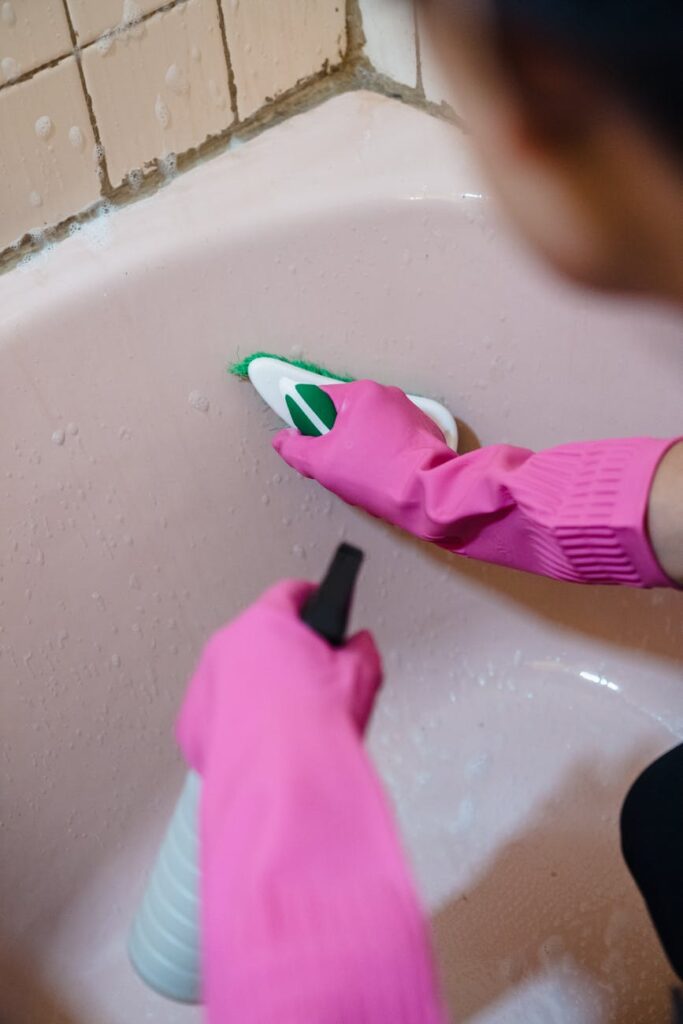
- Scrub Tough Spots: Use a soft-bristled brush for stubborn mildew spots.
- Focus on Gaskets: Wipe down the rubber door seals with your cleaning solution, ensuring you get into grooves where mildew may hide.
- Rinse Surfaces: Use a cloth dampened with clean water to wipe away any cleaning residue.
- Dry Thoroughly: Use a dry cloth to ensure surfaces are completely dry before restocking.
- Organize Food: Place items back in an organized manner to promote airflow.
- Check for Freshness: Discard any items that were near mildew.
- Vinegar Solution: A natural disinfectant that kills mildew and neutralizes odors.
- Baking Soda Paste: Mix baking soda with water to form a paste; use it for scrubbing tough mildew spots.
- Hydrogen Peroxide: A non-toxic option effective against mildew; use a 3% solution for cleaning.
- Ignoring the Seals: Skipping the gaskets can lead to recurring problems.
- Using Bleach: Avoid bleach as it can be harmful and leave residues.
- Overloading the Fridge: Packing items too tightly restricts airflow and creates damp spots.
- Neglecting Regular Cleaning: Don’t wait for mildew to accumulate; clean your fridge regularly.
- Set Proper Temperature: Keep your fridge at or below 40°F (4°C) for optimal food safety and to prevent condensation.
- Check Humidity: Use a dehumidifier in your kitchen if humidity levels are high.
- Regular Cleaning: Schedule monthly cleanings to keep mildew at bay.
- Monitor Food Freshness: Regularly check items for expiration and spoilage.
- Aim for a deep clean once a month, with quick wipe-downs weekly.
- No, bleach can leave harmful residues. Use vinegar or baking soda instead.
- Investigate humidity levels, ensure proper temperature settings, and check for hidden spills.
- While not as dangerous as mold, mildew can cause respiratory issues in sensitive individuals.
- Place an open box of baking soda inside to absorb odors, and clean spills immediately.
- Store food in airtight containers and avoid placing hot items directly into the fridge.
Why This Problem Happens
Understanding why mildew occurs can help you take better care of your fridge. Here are the main reasons:
1. Temperature Fluctuations: Keeping your fridge at inconsistent temperatures can lead to condensation, which encourages mildew.
2. Poor Air Circulation: If items are packed too tightly, air can’t circulate, creating damp spots ideal for mildew.
3. Infrequent Cleaning: Neglecting to clean your fridge regularly allows mildew spores to accumulate.
4. Spills and Leaks: Any liquid spills, whether from food or drinks, can create a moist environment that mildew loves.
How to Fix Kitchen Mildew (Step-by-Step)
Removing mildew from your fridge requires a systematic approach. Follow these steps:
Step 1: Empty the Fridge
Step 2: Inspect for Mildew
Step 3: Prepare Cleaning Solution
Step 4: Clean Surfaces
Step 5: Clean the Seals
Step 6: Rinse and Dry
Step 7: Restock the Fridge
Best Cleaning Methods
Choosing the right cleaning method can make a significant difference. Here are the best options:
Common Mistakes to Avoid
Avoid these pitfalls to ensure effective mildew removal:
Prevention Tips
Preventing mildew is easier than removing it. Here are practical tips:
Frequently Asked Questions
1. How often should I clean my fridge?
2. Can I use bleach to clean mildew?
3. What should I do if mildew keeps coming back?
4. Is mildew harmful to my health?
5. How can I keep my fridge smelling fresh?
6. What’s the best way to store food to prevent mildew?
By following this guide, you can tackle mildew effectively and keep your fridge clean and fresh, ensuring a healthier kitchen environment. Stay tuned for Part 2, where we will explore advanced cleaning techniques and tools for maintaining your fridge!