
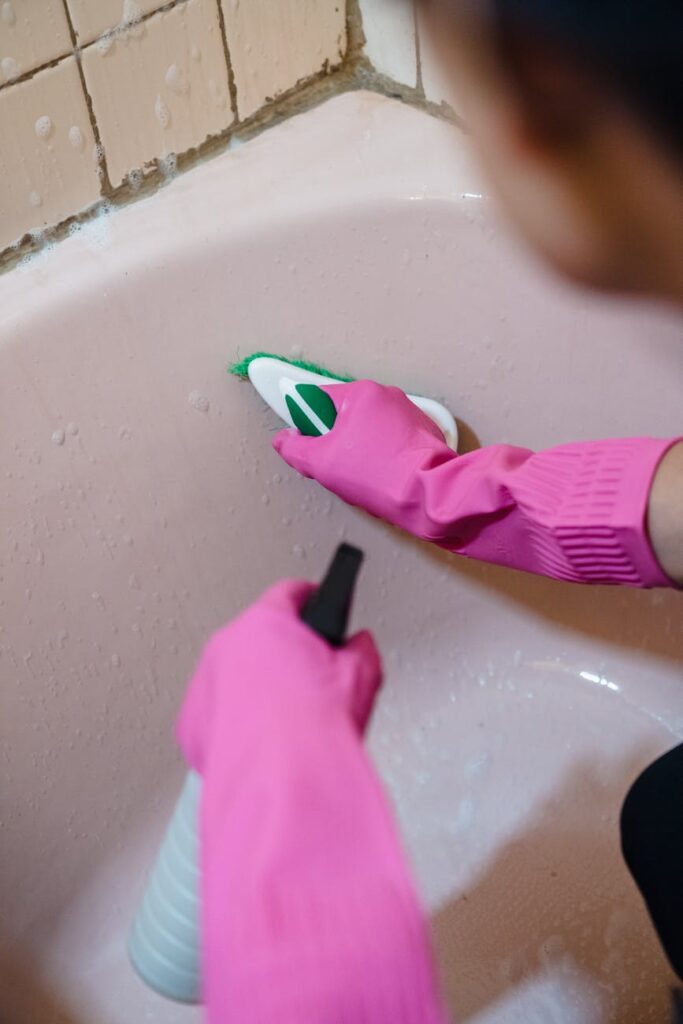
Floor Mold Removal Stains Guide Part 1
Introduction
Stains caused by mold on floors can be both unsightly and a sign of a larger problem. Whether it’s a wooden floor, tile, or carpet, these stains can be a nuisance. In this guide, we will explore the causes of these stains, how to effectively remove them, and ways to prevent them from returning.
What Causes Stains?
Mold stains occur due to the growth of mold and mildew, which thrive in damp environments. Here are some common causes:
- High Humidity: Areas with excessive moisture create the perfect breeding ground for mold.
- Water Leaks: Roof leaks, plumbing issues, or flooding can lead to water pooling, promoting mold growth.
- Poor Ventilation: Areas that lack airflow can trap moisture, increasing the chances of mold.
- Spills and Overflows: Immediate cleanup is essential; otherwise, spills can lead to stains.
- Gloves: Protect your hands.
- Mask: Avoid inhaling mold spores.
- Spray Bottle: For your cleaning solution.
- Soft Brush or Cloth: For scrubbing.
- Baking Soda: A natural cleaning agent.
- White Vinegar: Effective against mold.
- Commercial Mold Cleaner: For tough stains.
- Wood Floors: Use a vinegar solution, but avoid soaking. Dry quickly with a soft cloth.
- Tile Floors: The vinegar solution works well; scrub with a soft brush to reach grout lines.
- Carpets: Blot the stain with a vinegar solution, then rinse with water. Avoid soaking the carpet.
- Vinyl Floors: A mixture of baking soda and water can help lift stains without damaging the surface.
Understanding these causes is the first step in tackling mold stains effectively.
Why This Problem Happens
Mold stains can develop for several reasons:
1. Environmental Factors: Humidity levels above 60% can encourage mold growth.
2. Material Composition: Certain materials like wood and carpet are more susceptible to staining than tiles or vinyl.
3. Delay in Cleaning: The longer a stain sits, the tougher it becomes to remove. Mold can penetrate deeper into the material, making it harder to clean.
Recognizing these factors will help you take proactive measures to address the issue.
How to Fix Stains (Step-by-Step)
Step 1: Gather Your Supplies
Before you begin, gather the necessary cleaning supplies:
Step 2: Identify the Area
Inspect the stained area carefully. Check for any signs of mold growth and determine how extensive the staining is.
Step 3: Prepare Your Cleaning Solution
For a natural approach, mix equal parts of white vinegar and water in a spray bottle. This solution is effective against mold and is safe for most flooring types.
Step 4: Apply the Solution
Spray the stained area generously with your cleaning solution. Allow it to sit for 10-15 minutes to penetrate the stain.
Step 5: Scrub the Stain
Using a soft brush or cloth, scrub the stained area gently. Be cautious not to damage the floor’s surface. For stubborn stains, consider using baking soda as a gentle abrasive.
Step 6: Rinse and Dry
After scrubbing, rinse the area with clean water and dry it with a clean cloth. Ensure the area is completely dry to prevent mold from returning.
Step 7: Repeat if Necessary
If the stain persists, repeat the process until the stain is removed.
Best Cleaning Methods
Different flooring types require different cleaning methods:
Common Mistakes to Avoid
1. Using Harsh Chemicals: Many commercial cleaners can damage your floor. Always test on a small area first.
2. Ignoring Humidity: Not addressing the humidity problem will lead to recurring stains.
3. Procrastination: Delaying cleanup can make stains harder to remove.
4. Over-scrubbing: Excessive scrubbing can damage the floor’s finish, especially for hardwood.
Prevention Tips
1. Control Humidity: Use dehumidifiers in damp areas and ensure proper ventilation.
2. Regular Cleaning: Frequent cleaning can prevent mold growth and stains from forming.
3. Seal Floors: Consider applying a sealant on wood floors to protect against moisture.
4. Address Leaks Immediately: Fix any plumbing or roofing issues promptly to prevent water accumulation.
5. Avoid Carpets in Moist Areas: If possible, choose tile or vinyl in spaces prone to moisture, like bathrooms or basements.
Frequently Asked Questions
1. How do I know if the stain is mold or dirt?
Mold typically has a fuzzy or slimy appearance and may be black, green, or white. Dirt stains are usually flat and more uniform in color.
2. Can I use bleach to remove mold stains?
Bleach can kill mold on non-porous surfaces but may not be effective on porous materials. It can also discolor some floor types, so use it with caution.
3. How can I prevent mold from returning?
Control humidity, fix leaks, and ensure proper ventilation in your home. Regular cleaning is also essential.
4. Are there any natural alternatives to commercial mold cleaners?
Yes, a mixture of white vinegar and water, or baking soda with water, can be effective natural alternatives.
5. How often should I clean areas prone to mold?
It’s a good idea to clean these areas at least once a month, or more frequently if you notice high humidity or spills.
6. Is it necessary to call a professional for severe mold stains?
If stains are extensive or you suspect a serious mold problem, it’s best to consult a professional to ensure safe and effective removal.
—
By following this guide, you should be well-equipped to tackle mold stains on your floors effectively. In Part 2, we will delve deeper into dealing with more severe mold issues and advanced prevention techniques.