
Floor Mold Removal: Mould & Damp Guide Part 2
Introduction
Mould and damp can quickly turn a comfortable home into an unhealthy environment. Whether it’s in your basement, bathroom, or any other area with poor ventilation, addressing floor mould is crucial. In this guide, we’ll explore the causes of mould and damp, how to effectively remove it, and essential tips to prevent it from returning.
What Causes Mould & Damp?
Mould thrives in moist conditions. Understanding the main causes will help you tackle the problem effectively:
1. Excess Moisture: Leaks from pipes, roofs, or windows can create ideal conditions for mould.
2. High Humidity: Areas with high humidity levels, especially bathrooms and kitchens, foster mould growth.
3. Poor Ventilation: Lack of airflow can trap moisture indoors, contributing to damp conditions.
4. Condensation: Cold surfaces can cause moisture in the air to condense, leading to damp spots.
5. Flooding: Water intrusion from heavy rainfall or plumbing issues can result in significant mould growth.
Why This Problem Happens
Understanding why mould and damp occur can help you prevent future issues. Here are a few key reasons:
- Environmental Factors: Areas with high humidity or frequent rain are more prone to mould.
- Building Materials: Certain materials, such as wood and drywall, can absorb moisture and facilitate mould growth.
- Inadequate Heating: Poorly heated spaces can result in higher humidity levels, allowing mould to thrive.
- Neglect: Ignoring minor leaks or damp spots can lead to larger issues over time.
- Rubber gloves
- Face mask
- Bucket
- Scrub brush
- Mould removal solution (store-bought or homemade)
- Cloth or sponge
- Dehumidifier (optional)
- Ventilate: Open windows and doors to allow fresh air to circulate.
- Seal Off Affected Areas: Close doors to prevent spores from spreading.
- Homemade Solution: Mix one cup of white vinegar with one cup of water in a spray bottle. Alternatively, use a commercial mould remover.
- Spray Generously: Apply the solution to the affected areas and let it sit for at least 15 minutes.
- Rinse: Wipe the area with a clean cloth soaked in water.
- Dry: Ensure the area is completely dry to prevent mould from returning. Use a dehumidifier if necessary.
- Ignoring Small Spots: Even minor mould patches can grow into larger problems if not addressed.
- Using Bleach: While bleach can kill surface mould, it doesn’t prevent regrowth and can damage certain materials.
- Not Drying Properly: Failing to fully dry the area can lead to recurring mould issues.
- Neglecting Ventilation: Continuing to allow poor airflow will only invite mould back.
- Control Humidity: Keep indoor humidity below 60% using dehumidifiers or air conditioning.
- Improve Ventilation: Use exhaust fans in bathrooms and kitchens. Open windows regularly.
- Fix Leaks Promptly: Address any leaks immediately to prevent moisture accumulation.
- Use Mould-Resistant Products: When renovating, consider using mould-resistant paints and materials.
- Regular Cleaning: Clean floors regularly to prevent dust and moisture buildup.
How to Fix Mould & Damp (Step-by-Step)
Removing mould from your floors requires careful attention to detail. Follow these steps:
Step 1: Gather Supplies
You’ll need:
Step 2: Identify the Affected Areas
Examine your floors and surrounding areas for visible mould. Look for discolouration, black spots, or a musty smell.
Step 3: Prepare the Area
Step 4: Apply Mould Removal Solution
Step 5: Scrub the Mould
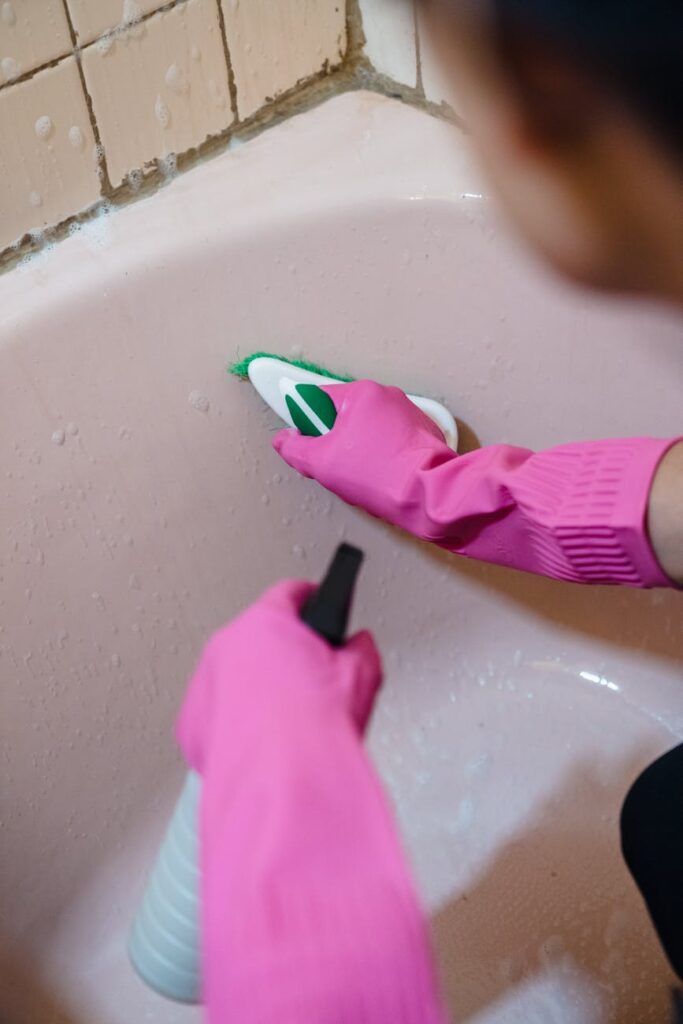
Using a scrub brush, scrub the mouldy areas thoroughly. For tougher spots, apply more solution and let it sit longer.
Step 6: Rinse and Dry
Step 7: Dispose of Contaminated Materials
If any flooring material (like carpets or wood) is heavily infested, it may be best to dispose of it to avoid future mould issues.
Best Cleaning Methods
Different surfaces may require specific cleaning methods:
1. Wood Floors: Use vinegar-based solutions carefully, as excess moisture can damage the wood. Make sure to dry thoroughly.
2. Tile and Grout: A mixture of baking soda and vinegar can effectively clean grout lines.
3. Carpets: Use a carpet cleaner or a professional service if mould penetrates deeply.
Common Mistakes to Avoid
Prevention Tips
Preventing mould is easier than removing it. Here are several tips to keep your floors mould-free:
Frequently Asked Questions
1. How do I know if my mould issue is serious?
If you notice large patches of mould, a strong musty smell, or if anyone in your household experiences health issues, it’s best to consult a professional for an assessment.
2. Can I use bleach to remove mould?
While bleach can kill surface mould, it doesn’t prevent regrowth and can damage certain surfaces. It’s better to use vinegar or a dedicated mould removal solution.
3. How long does it take for mould to grow?
Mould can begin to grow within 24 to 48 hours in moist conditions.
4. Is it safe to remove mould myself?
For small areas, it’s generally safe to remove mould yourself. However, if the affected area is large or if you have health concerns, it’s best to hire a professional.
5. What should I do if mould returns?
If mould returns, reassess your home’s humidity levels, ventilation, and any potential leaks. Consult a professional if necessary.
6. Can I prevent mould growth entirely?
While it’s impossible to eliminate all chances of mould, you can significantly reduce the risk by keeping your home dry, well-ventilated, and promptly addressing any moisture issues.
By following this guide, you can effectively tackle mould and damp issues on your floors and keep your home clean and healthy. Regular maintenance and vigilance are key to preventing future problems.