
Floor Mold Removal Kitchen Guide Part 2
Introduction
Mold in the kitchen is not just unsightly; it poses a significant cleaning challenge. Whether it’s lurking under the fridge, behind cabinets, or in the corners, mold can thrive in the damp and warm environment that kitchens often provide. In this guide, we will discuss what causes kitchen mold, how to remove it effectively, and tips to prevent its return.
What Causes Kitchen Mold?
Understanding the root causes of kitchen mold is crucial for effective removal and prevention. Here are the primary culprits:
1. Moisture: Kitchen spills, leaks from pipes, or excessive humidity create an ideal environment for mold growth.
2. Poor Ventilation: Inadequate airflow can trap moisture, especially in areas like under sinks or around appliances.
3. Food Residues: Leftover food particles can contribute to mold if not cleaned promptly.
4. Temperature Fluctuations: Warmer temperatures can promote mold growth, particularly when combined with moisture.
Why This Problem Happens
Mold spores are present in the air and can settle on various surfaces. When they find a damp spot, they can quickly grow and reproduce. In kitchens, this often happens in hidden areas, like behind cabinets or under the sink. The combination of moisture and organic materials (like food residues or wood) provides the ideal breeding ground.
How to Fix Kitchen Mold (Step-by-Step)
Removing mold from your kitchen requires careful steps to ensure thorough cleaning and safety. Follow this easy-to-understand process:
Step 1: Gather Your Supplies
You’ll need:
- Protective gear: gloves, mask, and goggles
- Cleaning solution: a store-bought mold remover or a homemade solution (mix equal parts of water and vinegar)
- Scrub brushes or sponges
- Bucket
- Cloths or paper towels
- A vacuum with a HEPA filter (optional)
- Underneath sinks
- Behind the refrigerator
- Inside cabinets
- Around windows
- Vinegar Solution: As mentioned, vinegar is a natural mold killer. Its acidity helps break down mold structures.
- Baking Soda: Mix baking soda with water to create a paste. Scrub it on moldy areas to eliminate mold and deodorize.
- Hydrogen Peroxide: A 3% hydrogen peroxide solution can also be effective against mold. Spray it on affected areas and let it sit for 10 minutes before scrubbing.
- Commercial Mold Removers: There are effective commercial solutions available. Always follow the manufacturer’s instructions for use.
- Ignoring the Source: Simply cleaning the mold without addressing the moisture source will lead to regrowth.
- Not Wearing Protective Gear: Mold spores can be harmful. Always wear gloves, a mask, and goggles.
- Using Too Much Water: Excess water can worsen the problem. Use cleaning solutions sparingly.
- Skipping Drying: Failing to completely dry the area can create a perfect environment for mold to return.
Step 2: Identify the Affected Areas
Inspect your kitchen for mold. Focus on damp areas like:
Step 3: Remove Contaminated Items
Take out any items that may be affected by mold (e.g., kitchen towels, food containers). Discard any items that cannot be cleaned effectively.
Step 4: Apply the Cleaning Solution
Spray your cleaning solution generously on the moldy surfaces. Let it sit for at least 10-15 minutes to penetrate the mold.
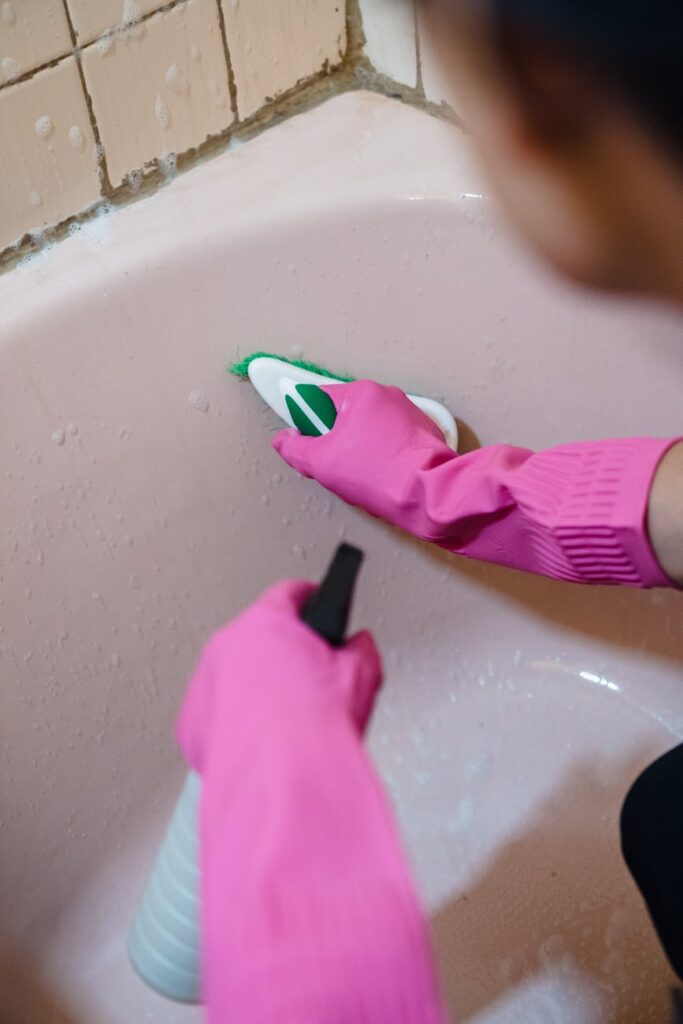
Step 5: Scrub the Area
Using a scrub brush or sponge, scrub the affected area vigorously. For tougher spots, you may need to repeat this process or use a more abrasive scrubber.
Step 6: Rinse and Dry
Wipe down the area with a damp cloth to remove any remaining cleaning solution. Ensure the area is completely dry to prevent mold from returning.
Step 7: Dispose of Waste Properly
Seal any moldy materials in a plastic bag before disposing of them to prevent spores from spreading.
Best Cleaning Methods
There are several effective cleaning methods to tackle kitchen mold:
Common Mistakes to Avoid
Identifying and avoiding common pitfalls can make the mold removal process more efficient:
Prevention Tips
Preventing mold from returning is key to maintaining a healthy kitchen. Here are some practical strategies:
1. Improve Ventilation: Use exhaust fans or open windows to reduce humidity levels.
2. Fix Leaks: Regularly check and repair any leaks in pipes or appliances.
3. Clean Regularly: Wipe down surfaces, especially after spills, to eliminate moisture and food residues.
4. Use a Dehumidifier: In areas with high humidity, a dehumidifier can help keep moisture levels in check.
5. Store Food Properly: Ensure all food containers are sealed tightly to avoid spills and mold growth.
Frequently Asked Questions
1. Can I remove mold from wood kitchen cabinets?
Yes, you can remove mold from wood cabinets using vinegar or a baking soda paste. Scrub gently to avoid damaging the wood.
2. How often should I check for mold in my kitchen?
It’s best to check for mold every few months, especially in damp areas. Regular cleaning can help prevent mold growth.
3. Is it safe to use bleach on mold?
While bleach can kill mold on non-porous surfaces, it is not recommended for porous materials like wood or drywall, as it may not penetrate deeply enough and can worsen the problem.
4. What if the mold covers a large area?
If mold covers a large area (more than 10 square feet), it’s advisable to consult a professional mold remediation service.
5. How can I tell if mold is behind my cabinets?
Signs of mold behind cabinets include a musty odor, discoloration on walls, or visible mold on adjacent surfaces. Consider removing cabinetry if you suspect extensive mold growth.
6. Can I prevent mold in my kitchen?
Yes, by improving ventilation, cleaning regularly, and controlling moisture levels, you can significantly reduce the chances of mold growth in your kitchen.
Conclusion
Mold in the kitchen is a manageable issue with the right approach. By understanding what causes it, following the steps for effective removal, and implementing preventive measures, you can maintain a clean and healthy kitchen environment. Regular checks and prompt cleaning will go a long way in keeping mold at bay.