
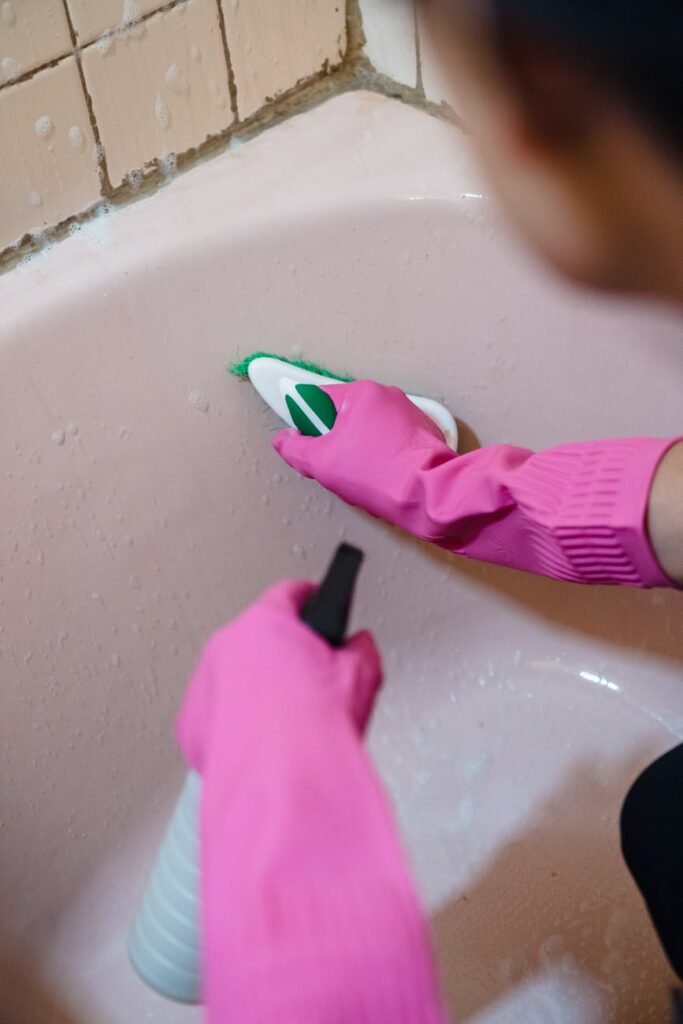
Floor Mold Removal Kitchen Guide Part 1
Introduction
Mold in the kitchen is not just an eyesore; it can also lead to unpleasant odors and potential damage to your flooring. In this guide, we’ll explore the causes of kitchen mold, provide actionable steps for removing it, and share tips to prevent its return. The good news is that with the right approach, you can tackle this issue effectively and efficiently.
What Causes Kitchen Mold?
Mold thrives in damp environments, and kitchens are prime candidates. Here are some common culprits:
- Moisture: Spills, leaks, and condensation can create the perfect breeding ground.
- Poor Ventilation: Inadequate airflow keeps moisture trapped, fueling mold growth.
- Food Residue: Crumbs and spills can attract mold spores.
- Temperature Fluctuations: Warm temperatures combined with humidity can exacerbate mold issues.
- Rubber gloves
- Face mask
- Scrub brush or sponge
- Bucket
- Vinegar or commercial mold cleaner
- Baking soda (optional)
- Hot water
- Mop
- Vinegar: A natural and effective method. Vinegar kills most types of mold and prevents regrowth.
- Baking Soda: A mild abrasive that not only cleans but also deodorizes. Mix with water for a paste or add to vinegar for a more potent solution.
- Commercial Mold Cleaners: These are designed specifically for mold removal. Choose a product that is safe for your floor type.
- Ignoring Small Spots: Mold can spread quickly. Address even minor spots right away.
- Using the Wrong Cleaner: Different materials require different cleaning agents. Ensure compatibility to avoid damage.
- Skipping Rinsing: Residue left behind can attract more dirt and moisture, promoting further mold growth.
- Not Fixing the Source: Failing to address the underlying moisture issue will lead to recurring mold problems.
- Improve Ventilation: Use exhaust fans during cooking and open windows when possible.
- Wipe Up Spills Promptly: Clean up any spills right away to limit moisture accumulation.
- Regular Cleaning: Include mold prevention in your regular cleaning routine. Focus on corners and under appliances.
- Use a Dehumidifier: If your kitchen tends to be humid, consider using a dehumidifier to control moisture levels.
Why This Problem Happens
Understanding why mold appears in your kitchen is crucial for effective removal and prevention. The combination of heat, moisture, and organic material (like food particles) creates an ideal environment for mold spores to settle and grow. If not addressed promptly, the mold can spread, making cleanup more challenging and potentially leading to structural issues in your home.
How to Fix Kitchen (Step-by-Step)
Removing mold from your kitchen floor requires careful preparation and execution. Follow these steps to ensure effective removal:
Step 1: Gather Your Supplies
Before starting, collect the following tools and materials:
Step 2: Identify Affected Areas
Inspect your kitchen floor thoroughly. Look for discoloration, black spots, or a musty odor. Mark all affected areas for focused cleaning.
Step 3: Prepare the Cleaning Solution
If using vinegar, mix equal parts vinegar and water in a bucket. For commercial products, follow the instructions on the label. If you prefer a natural method, create a paste using baking soda and water.
Step 4: Apply the Cleaner
Using your scrub brush or sponge, apply the cleaning solution to the affected areas. Ensure the mold is fully saturated to penetrate it effectively.
Step 5: Scrub the Area
Scrub the floor with a firm motion. Pay extra attention to corners and edges where mold is likely to hide. For stubborn spots, let the cleaner sit for a few minutes before scrubbing again.
Step 6: Rinse and Dry
Once scrubbed, rinse the area with clean, hot water. Use a mop to remove excess moisture. Dry the floor thoroughly to prevent mold from returning.
Step 7: Dispose of Contaminated Materials
If your sponge or scrub brush is heavily contaminated, consider disposing of it to avoid spreading spores.
Best Cleaning Methods
The effectiveness of your mold removal largely depends on the cleaning method you choose. Here are some of the best:
Common Mistakes to Avoid
While cleaning mold may seem straightforward, there are pitfalls to watch out for:
Prevention Tips
Once you’ve removed the mold, implement these strategies to keep it from returning:
Frequently Asked Questions
1. How can I tell if mold is present on my kitchen floor?
Look for discoloration, a musty smell, or visible black or green spots on the surface.
2. Can I use bleach to remove mold?
While bleach can kill mold, it is not always effective on porous surfaces and may not prevent regrowth.
3. How often should I clean my kitchen to prevent mold?
Aim for a thorough clean at least once a month, with regular spot cleaning as needed.
4. Is mold removal safe for pets and children?
Be cautious with chemical cleaners. Opt for natural solutions like vinegar or baking soda for safer options.
5. What type of flooring is most susceptible to mold?
Carpets and wood floors are particularly vulnerable due to their porous nature. Tile and vinyl are less susceptible but can still harbor mold in grout lines.
6. When should I call a professional?
If mold covers a large area (greater than 10 square feet), or if you experience health issues related to mold, it’s best to consult a professional.
By following this guide, you can effectively remove mold from your kitchen floor and prevent its return. Stay proactive about cleaning and maintaining your kitchen to keep it mold-free.