
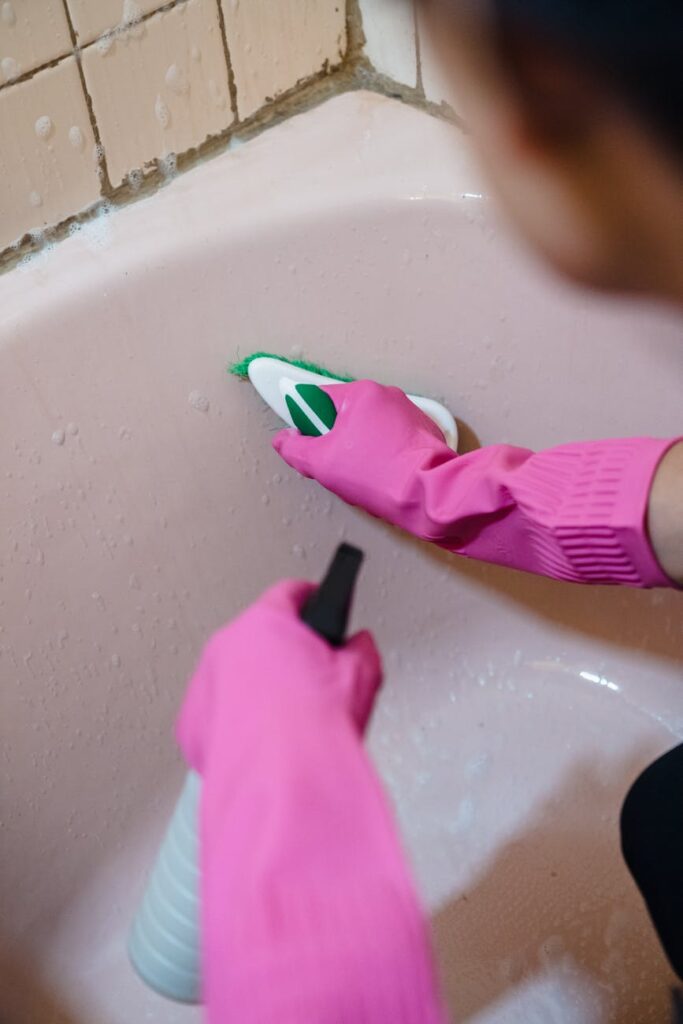
Floor Mold Removal Cleaning Guide Part 1
Introduction
Mold on floors is more than just an eyesore; it can lead to significant health and property issues. Whether it’s in your basement, bathroom, or kitchen, removing floor mold is essential for maintaining a safe and clean environment. This guide will walk you through the causes of floor mold, effective removal methods, and tips for prevention.
What Causes Floor Mold?
Understanding the root causes of floor mold is critical to effective removal and prevention. Mold thrives in damp, humid environments. Common causes include:
- Moisture: Leaks from pipes, roofs, or windows can create puddles that foster mold growth.
- Humidity: High humidity levels indoors, often over 60%, can lead to condensation on floors.
- Poor Ventilation: Areas with limited airflow, like basements or small bathrooms, can trap moisture.
- Organic Material: Mold feeds on organic materials like wood, carpet, and dust.
- Health Risks: Mold can trigger allergies, respiratory issues, and other health problems.
- Structural Damage: Mold can weaken the integrity of floors, leading to costly repairs.
- Aesthetic Concerns: Mold stains can ruin the appearance of your floors.
- Protective gear (gloves, mask, goggles)
- Scrub brush or sponge
- Bucket
- Cleaning solution (vinegar, bleach, or commercial mold remover)
- Spray bottle
- Rags or towels
- Fan or dehumidifier (optional)
- Vinegar: A natural mold killer, vinegar is effective for most types of mold and is safe to use on many surfaces.
- Bleach: Effective for non-porous surfaces, bleach can kill mold but should be used with caution due to its harsh chemicals.
- Baking Soda: This is a gentle abrasive that can help scrub away mold and absorb moisture.
- Commercial Mold Cleaners: These products are specifically formulated for mold removal and can be very effective.
- Ignoring Safety Gear: Always wear protective gear to prevent exposure to mold spores.
- Using Water Alone: Water alone can often make the problem worse by providing more moisture for mold to thrive.
- Overusing Bleach: While effective, bleach can damage some surfaces and may not penetrate porous materials.
- Skipping Drying: Failing to dry the area thoroughly can lead to mold returning quickly.
- Control Humidity: Use dehumidifiers to keep indoor humidity levels below 60%.
- Ventilate: Ensure proper ventilation in areas prone to moisture, like bathrooms and kitchens.
- Fix Leaks Promptly: Address any leaks in pipes or roofs immediately to prevent moisture buildup.
- Regular Cleaning: Clean floors regularly to remove dust and organic material that mold feeds on.
- Use Mold-Resistant Products: Consider using mold-resistant paints and materials for floors and walls.
Why This Problem Happens
The presence of mold indicates a moisture problem. When conditions are right—typically a combination of warmth and moisture—spores can settle on surfaces and start to grow. Here’s why it’s essential to address mold promptly:
How to Fix Floor Mold (Step-by-Step)
Removing mold from your floors is a straightforward process if you follow these steps carefully:
Step 1: Gather Your Supplies
Before you start, ensure you have the following items:
Step 2: Prepare the Area
1. Clear the Area: Remove any furniture or items from the affected space.
2. Ensure Ventilation: Open windows and doors to improve airflow and reduce exposure to mold spores.
3. Wear Protective Gear: Put on gloves, a mask, and goggles to protect yourself from mold exposure.
Step 3: Apply the Cleaning Solution
1. Choose Your Solution: For most types of mold, a mixture of vinegar and water (1:1 ratio) is effective. For stubborn mold, consider using a diluted bleach solution (1 cup of bleach to 1 gallon of water).
2. Apply the Solution: Use a spray bottle to apply the solution to the affected area. Ensure the surface is thoroughly saturated.
Step 4: Scrub the Mold
1. Scrubbing Action: Use a scrub brush or sponge to scrub the area. Apply firm pressure to remove the mold from the surface.
2. Rinse and Repeat: After scrubbing, rinse the area with clean water and repeat the process if any mold remains.
Step 5: Dry the Area
1. Use Towels: Wipe down the area with dry towels to remove excess moisture.
2. Increase Airflow: Use fans or a dehumidifier to help dry the floor completely. Mold thrives in damp conditions, so ensure everything is thoroughly dried.
Step 6: Inspect the Area
After cleaning, regularly check for any returning mold. If it reappears, you may have a more significant moisture issue that needs addressing.
Best Cleaning Methods
Different cleaning methods can be effective for removing mold. Here are some of the best:
Common Mistakes to Avoid
When tackling mold removal, avoid these common pitfalls:
Prevention Tips
Preventing mold is easier than dealing with it after it appears. Here are some practical tips:
Frequently Asked Questions
1. How can I tell if I have mold on my floors?
Look for discoloration, black spots, or a musty smell. If you suspect mold but can’t see it, consider having an air quality test done.
2. Is bleach the best solution for cleaning mold?
Bleach is effective but not always the best choice, especially on porous surfaces. Vinegar is generally safer and can be just as effective.
3. Can I remove mold without professional help?
Yes, most mold can be removed safely with the right cleaning methods and precautions.
4. How can I prevent mold from returning?
Maintain low humidity levels, ensure good ventilation, and fix any leaks or water issues promptly.
5. What surfaces are most susceptible to mold?
Carpets, wood floors, and tiles are particularly susceptible, especially in damp areas.
6. When should I call a professional for mold removal?
If the mold covers a large area (greater than 10 square feet), or if you have health concerns, it’s best to consult a professional.
By following this guide, you can effectively remove mold from your floors and take steps to prevent its return, ensuring a clean and healthy home environment. Stay tuned for Part 2, where we’ll delve deeper into advanced mold removal techniques and treatments.