
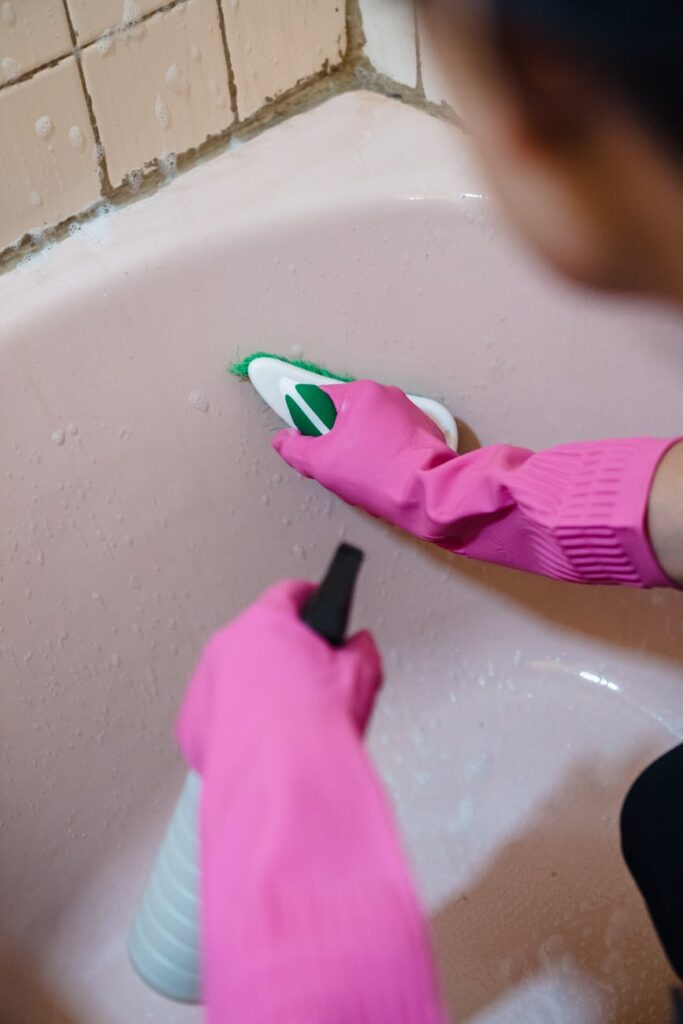
Floor Mold Removal Bathroom Guide Part 2
Introduction
Bathroom floors are often prone to mold growth due to the warm, humid environment. Mold can be unsightly and may also lead to health issues if not addressed. This guide will help you understand the causes of bathroom mold, provide actionable steps for removal, and offer tips for prevention.
What Causes Bathroom Mold?
Mold thrives in damp areas. In bathrooms, common causes include:
- High Humidity: Showers and baths increase moisture levels.
- Poor Ventilation: Lack of airflow allows humidity to linger.
- Water Leaks: Leaking pipes or fixtures create moisture.
- Dirt and Grime: Accumulated debris can provide a food source for mold spores.
- Protective gloves
- A face mask
- Bucket
- Scrub brush or sponge
- Spray bottle
- Cleaning solution (vinegar, baking soda, or commercial mold cleaner)
- Old towels or rags
- Mop
- Vinegar and Baking Soda: Mix equal parts vinegar and water in a spray bottle. Spray the moldy area and let it sit. Sprinkle baking soda over the area before scrubbing for extra cleaning power.
- Hydrogen Peroxide: A 3% hydrogen peroxide solution can effectively kill mold. Spray it on the affected area, let it sit for about 10 minutes, and then scrub.
- Commercial Mold Cleaners: Many products are specifically designed to combat mold. Always follow the manufacturer’s instructions for the best results.
- Improve Ventilation: Install an exhaust fan to help remove humidity. Open windows when showering to promote airflow.
- Use a Dehumidifier: If humidity is a persistent issue, consider using a dehumidifier to keep moisture levels in check.
- Seal Grout and Tiles: Use a sealant on grout lines and tiles to prevent moisture from penetrating.
- Regular Cleaning: Make it a habit to clean the bathroom weekly. Pay special attention to corners and areas prone to mold growth.
- Dry Wet Surfaces: After bathing or showering, wipe down wet surfaces to minimize moisture.
- Use Mold-Resistant Products: Consider mold-resistant paints and caulks for your bathroom.
Understanding these factors is crucial for effective mold removal and prevention.
Why This Problem Happens
Mold spores are everywhere in the environment. When they land on a damp surface, they can begin to grow if the conditions are right. In bathrooms, the combination of moisture, warmth, and lack of air circulation creates an ideal breeding ground.
Additionally, organic materials like soap scum and hair can contribute to mold growth. If left unchecked, mold can spread quickly, making removal more challenging.
How to Fix Bathroom (Step-by-Step)
Step 1: Gather Your Supplies
Before you start, gather the following materials:
Step 2: Remove Loose Items
Clear the bathroom floor of all items, including rugs, toiletries, and furniture. This will give you unobstructed access to the area you need to clean.
Step 3: Ventilate the Area
Open a window or turn on the bathroom fan to improve airflow. Good ventilation helps reduce moisture and makes cleaning more effective.
Step 4: Apply Cleaning Solution
Spray your chosen cleaning solution directly onto the moldy areas. If you’re using vinegar, let it sit for about 30 minutes. For commercial cleaners, follow the instructions on the label.
Step 5: Scrub the Affected Areas
After the cleaning solution has set, use a scrub brush or sponge to scrub the moldy areas. Be thorough but gentle to avoid damaging the flooring.
Step 6: Rinse and Dry
Rinse the area with water to remove the cleaning solution and any dislodged mold. Use old towels or rags to dry the floor completely. A dry environment is crucial for preventing future mold growth.
Step 7: Dispose of Waste
Carefully dispose of any used towels, brushes, or sponges to prevent the spread of mold spores back into the bathroom.
Best Cleaning Methods
Common Mistakes to Avoid
1. Ignoring the Source: Always address the underlying causes, such as leaks or poor ventilation, before cleaning mold. Simply removing mold won’t solve the problem if the conditions persist.
2. Not Wearing Protection: Mold can release spores into the air. Always wear gloves and a mask to protect yourself during cleaning.
3. Using the Wrong Cleaner: Avoid bleach for porous surfaces like tile or grout, as it can penetrate and fuel mold growth. Opt for vinegar or hydrogen peroxide instead.
4. Neglecting Drying: After cleaning, ensure the area is completely dry. Leaving moisture behind can lead to quick regrowth.
5. Not Cleaning Regularly: Regular maintenance can prevent mold buildup. Schedule routine cleanings to keep mold at bay.
Prevention Tips
Frequently Asked Questions
1. Can I use bleach to remove mold from my bathroom floor?
Bleach is not recommended for porous surfaces like tile and grout, as it can penetrate and actually promote mold growth. Opt for vinegar or hydrogen peroxide instead.
2. How can I tell if mold is behind the tiles?
If you notice a musty smell or see discoloration on the grout or tiles, mold may be present behind them. A professional inspection might be necessary for a thorough assessment.
3. How often should I clean my bathroom to prevent mold?
Cleaning your bathroom once a week is recommended. This helps to control moisture and prevent mold buildup.
4. Is it safe to remove mold myself?
Yes, you can safely remove small amounts of mold using appropriate cleaning methods. However, if the mold covers a large area or if you have health concerns, consult a professional.
5. What should I do if my bathroom floor is damaged by mold?
If mold has caused significant damage, you may need to replace flooring materials or consult a professional for remediation.
6. Can mold grow in the shower curtain?
Yes, mold can grow on shower curtains, especially if they remain damp. Regularly wash your shower curtain and allow it to dry completely after use.
By following the steps outlined in this guide, you can effectively remove mold from your bathroom floor and take preventive measures to keep it at bay. A clean bathroom is not only more pleasant but also healthier for your home.