
Floor Mold Removal Appliances Guide Part 1
Introduction
Mold on your floors can be a daunting problem, especially when it comes from appliances. Whether it’s from a leaky washing machine, refrigerator, or dishwasher, mold growth can lead to unpleasant odors and potential health risks. In this guide, we’ll break down the causes of appliance-related mold, how to fix the problem, the best cleaning methods, and ways to prevent it from happening again.
What Causes Appliances?
Appliances can contribute to mold growth on your floors primarily due to moisture issues. Here are some common culprits:
1. Leaking Hoses: Washing machines and dishwashers often have hoses that can wear out or become loose, leading to leaks.
2. Condensation: Refrigerators, especially those without adequate ventilation, can create condensation that drips onto the floor.
3. Poor Drainage: Dishwashers may not drain properly, leading to standing water that promotes mold growth.
4. Humidity: High humidity levels can exacerbate moisture problems, especially in kitchens and laundry rooms.
Why This Problem Happens
Understanding why mold grows in the first place can help you tackle the problem more effectively. Mold thrives in damp, warm environments. When appliances malfunction or leak, they create the perfect conditions for mold spores to settle and multiply.
Additionally, if your home has poor ventilation, the humidity can rise, creating an even more favorable environment for mold. Once it starts, mold can spread quickly, making it crucial to address the issue as soon as you notice it.
How to Fix Appliances (Step-by-Step)
If you’ve discovered mold on your floors due to an appliance, follow these steps for effective removal:
Step 1: Identify the Source
- Inspect the Area: Look closely at your appliances for signs of leakage or condensation.
- Check Hoses and Seals: Ensure all hoses are securely fastened and seals are intact.
- Safety First: Before you start cleaning, turn off the power to the appliance at the circuit breaker and shut off the water supply if necessary.
- Prevent Spread: Use plastic sheeting to contain the area where you’ll be working, especially if mold spores are present.
- Repair or Replace Parts: Depending on the issue, you may need to replace hoses, fix seals, or call a professional.
- Regular Checks: Keep an eye on the area for any signs of moisture or mold returning.
Step 2: Turn Off Power and Water
Step 3: Contain the Area
Step 4: Clean the Mold
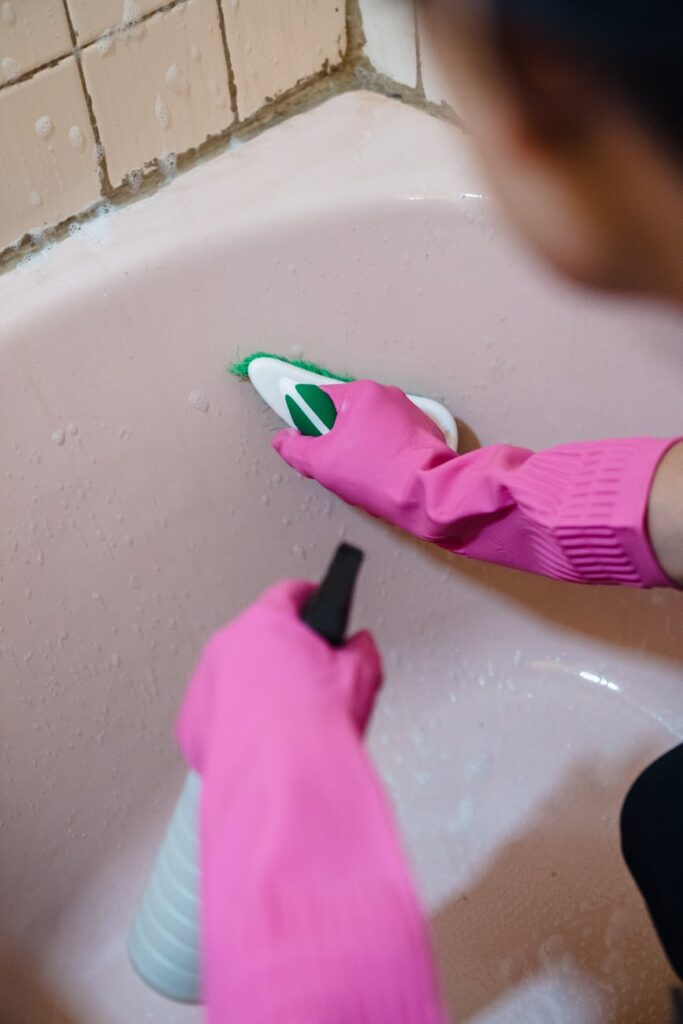
1. Prepare a Cleaning Solution: Mix one cup of white vinegar with one cup of water in a spray bottle.
2. Apply the Solution: Spray the affected area generously and let it sit for at least 10 minutes.
3. Scrub the Area: Use a soft-bristle brush or old toothbrush to scrub away the mold.
4. Rinse and Dry: Wipe the area with a clean, damp cloth and dry thoroughly.
Step 5: Fix the Appliance
Step 6: Monitor the Area
Best Cleaning Methods
When it comes to removing mold, various methods can be effective. Here are the best cleaning solutions:
1. Vinegar Solution: As mentioned, vinegar is a natural mold killer.
2. Baking Soda Paste: Mix baking soda with water to create a paste. Apply it to the moldy area, let it sit, then scrub and rinse.
3. Hydrogen Peroxide: A 3% hydrogen peroxide solution can be sprayed directly on mold. Let it sit for 10 minutes before wiping clean.
4. Commercial Mold Cleaners: If natural solutions don’t work, consider using a commercial mold remover. Follow the manufacturer’s instructions carefully.
Common Mistakes to Avoid
1. Ignoring Early Signs: Don’t wait until mold is widespread to act. Early intervention is key.
2. Using Bleach: While bleach can kill mold, it doesn’t prevent it from returning and can be harmful to your health.
3. Not Drying the Area: Failing to dry the area thoroughly after cleaning can lead to mold returning.
4. Neglecting Appliance Maintenance: Regularly inspect and maintain your appliances to prevent leaks.
Prevention Tips
Taking preventive measures can save you time and effort in the long run. Here are some tips:
1. Regular Inspections: Check hoses and seals on appliances regularly for wear and tear.
2. Keep Areas Dry: Wipe up any spills or leaks immediately.
3. Improve Ventilation: Ensure proper airflow in your kitchen and laundry room to reduce humidity.
4. Use Dehumidifiers: In particularly humid climates, consider using a dehumidifier to keep moisture levels in check.
5. Seal and Insulate: Ensure that areas around appliances are well-sealed and insulated to prevent condensation.
Frequently Asked Questions
1. How can I tell if mold is coming from my appliance?
Look for water stains, leaks, or visible mold growth on the floor near the appliance. If you notice musty odors, this can also indicate a mold issue.
2. Can I use bleach to remove mold?
While bleach can kill mold, it does not prevent it from returning and can be harmful if not used properly. Opt for vinegar or hydrogen peroxide instead.
3. How often should I check my appliances for leaks?
It’s a good idea to inspect your appliances at least once every few months, especially in high-use areas like the kitchen and laundry room.
4. Are there any specific cleaning products you recommend?
Look for commercial mold removers that are specifically designed for household use. Always read labels to ensure they are safe for your specific appliances.
5. What should I do if the mold keeps returning?
If mold continues to return, you may need to investigate further to find underlying issues like poor ventilation or persistent leaks.
6. Is mold removal a DIY project, or should I hire a professional?
If the mold covers a large area or if you feel uncomfortable tackling the problem yourself, it’s best to hire a professional mold remediation service.
Conclusion
Mold from appliances can be a serious issue, but with the right approach, it’s manageable. By understanding the causes, taking swift action, and implementing preventive measures, you can keep your floors mold-free. Stay vigilant and proactive to maintain a clean, healthy home environment.