
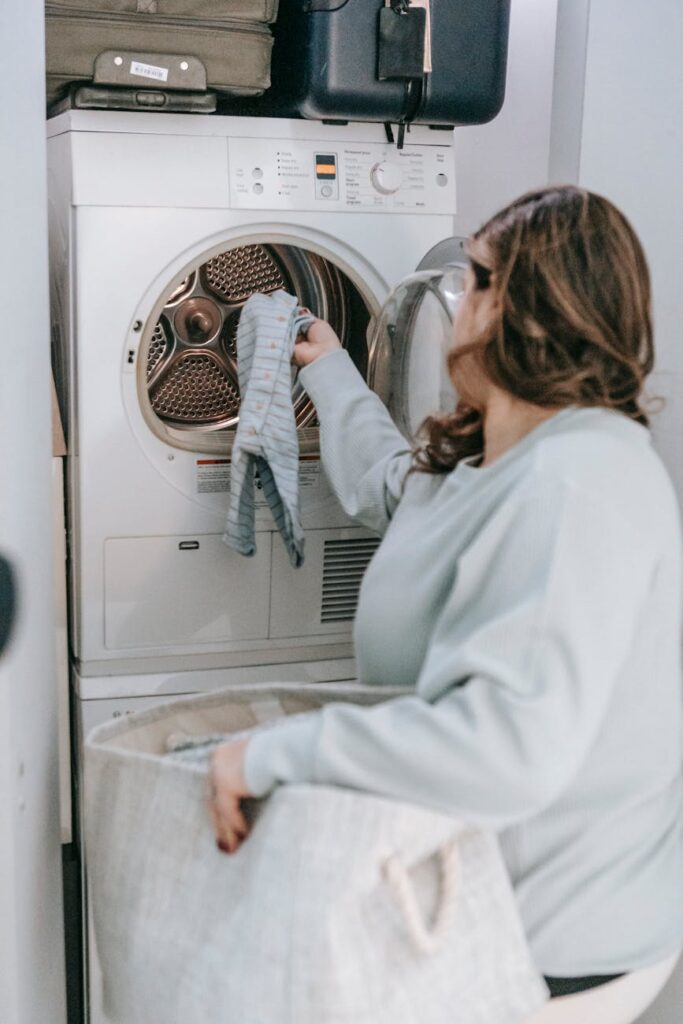
Dryer Lint Cleaning Kitchen Guide Part 1
Introduction
Maintaining a clean kitchen is essential for both hygiene and efficiency, and one area that often gets overlooked is the build-up of dryer lint. While it might seem like a problem related solely to laundry, lint can also infiltrate your kitchen, especially if you have appliances that vent outside. This guide will help you understand the causes, solutions, and preventative measures for keeping your kitchen lint-free.
What Causes Kitchen Lint?
Lint in your kitchen primarily comes from two sources: your clothes dryer and your kitchen textiles. If your laundry room is adjacent to your kitchen, lint can easily drift into this space. Additionally, kitchen towels, cloths, and even curtains can contribute to the accumulation of lint if they are not cleaned properly.
Common Sources of Kitchen Lint:
- Clothes dryer venting: If your dryer vents into the kitchen or nearby, it can lead to lint settling in the area.
- Kitchen textiles: Dish towels, aprons, and table linens can shed fibers, contributing to lint build-up.
- Heating devices: If you use space heaters or other appliances, they may also disrupt lint that has settled in your kitchen.
- Broom or vacuum cleaner
- Lint roller or sticky tape
- Microfiber cloths
- All-purpose cleaner
- Brush for cleaning dryer vents
- Disconnect the dryer from the vent.
- Insert the brush and clean the vent thoroughly.
- Reconnect the dryer and ensure it’s functioning correctly.
Why This Problem Happens
Understanding why lint accumulates in your kitchen can help you address the issue effectively. The main reasons include:
1. Poor Ventilation: Insufficient airflow can cause lint to settle rather than being expelled.
2. Clogged Vents: A clogged dryer vent can lead to lint backing up into the surrounding areas.
3. Infrequent Cleaning: Regular cleaning of your kitchen textiles and dryer vent helps prevent lint build-up.
4. Humidity Levels: High humidity can cause lint to stick to surfaces rather than disperse.
How to Fix Kitchen Lint (Step-by-Step)
Cleaning lint from your kitchen is a straightforward process. Follow these steps for effective results:
Step 1: Gather Your Supplies
You will need:
Step 2: Clear the Area
Begin by removing any items from countertops, tables, and other surfaces. This will give you a clear area to work with.
Step 3: Vacuum or Sweep
Use a broom or vacuum cleaner to remove loose lint from floors and surfaces. Pay special attention to corners and behind appliances.
Step 4: Use a Lint Roller
For surfaces like countertops and tables, a lint roller or sticky tape can effectively lift any remaining lint. Simply roll or press the sticky surface against the affected areas.
Step 5: Clean Textiles
Wash all kitchen textiles, including towels, aprons, and table linens. Follow the care instructions on the labels to prevent damage.
Step 6: Clean the Dryer Vent
If your dryer vents into the kitchen, check for blockages. Use a brush specifically designed for cleaning dryer vents and follow these steps:
Best Cleaning Methods
Utilizing the right cleaning methods ensures effective lint removal:
Vacuuming
A vacuum with a crevice tool can reach tight spots where lint tends to accumulate.
Using a Lint Roller
This is one of the easiest methods for picking up lint from surfaces, especially where vacuuming may not be practical.
All-Purpose Cleaner
For stubborn spots, a mild all-purpose cleaner can help lift lint and debris from surfaces.
Regular Textile Maintenance
Regularly wash and rotate kitchen towels and linens to prevent lint shedding.
Common Mistakes to Avoid
Avoid these common pitfalls when cleaning lint from your kitchen:
1. Ignoring the Vent: Failing to clean the dryer vent can lead to serious build-up and potential fire hazards.
2. Using the Wrong Tools: Avoid using rough sponges or abrasive materials that can scratch surfaces.
3. Neglecting High Areas: Don’t forget to check high surfaces like cabinets and shelves where lint can settle.
4. Infrequent Cleaning: Make cleaning a regular part of your kitchen maintenance routine rather than an occasional task.
Prevention Tips
Preventing lint build-up in your kitchen is easier than you think. Here are some practical tips:
1. Regular Cleaning Schedule: Set aside time weekly to clean your kitchen surfaces and textiles.
2. Ventilation Checks: Ensure your dryer vent is clear and well-ventilated to prevent lint from backing up.
3. Lint Traps: Install lint traps on your dryer vents to capture lint before it can spread into your kitchen.
4. Quality Textiles: Invest in high-quality, low-lint kitchen textiles.
Frequently Asked Questions
1. How often should I clean my kitchen for lint?
Aim to clean your kitchen surfaces and textiles weekly to prevent lint build-up.
2. Can lint in the kitchen cause fire hazards?
Yes, lint can be flammable. Ensure your dryer vent is clean and free from obstructions.
3. What’s the best way to clean my dryer vent?
Use a specialized dryer vent cleaning brush and ensure the vent is completely disconnected from the dryer during cleaning.
4. Is it necessary to clean kitchen textiles regularly?
Yes, washing kitchen towels and linens regularly helps minimize lint shedding.
5. Can I use a regular vacuum to clean lint?
Yes, but ensure your vacuum has a crevice tool to reach tight spaces effectively.
6. How do I reduce lint from my laundry?
Use dryer balls to help reduce lint build-up and avoid overloading your dryer.
By following the steps outlined in this guide, you can effectively manage and prevent lint build-up in your kitchen. Keeping your kitchen clean and lint-free not only enhances its appearance but also promotes a healthier cooking environment.