
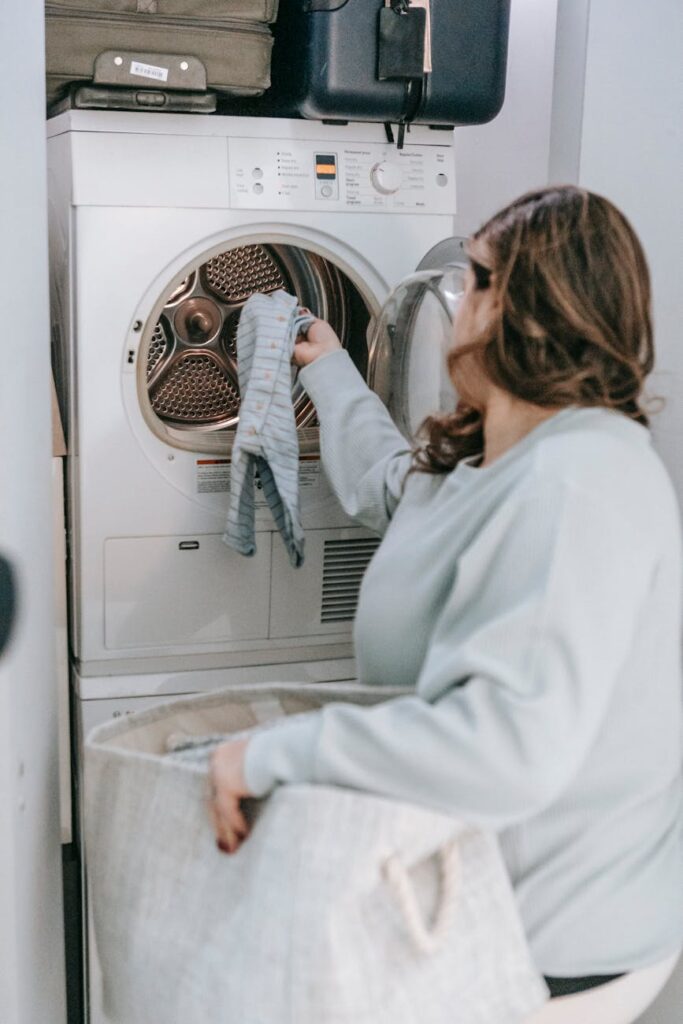
Dryer Lint Cleaning Guide Part 1
Introduction
Dryer lint cleaning is an essential task that often gets overlooked. Regularly cleaning your dryer lint trap and duct system not only improves the efficiency of your dryer but also reduces the risk of fire hazards. This guide will help you understand what causes lint buildup, why it happens, and how to effectively tackle the problem.
What Causes Lint Buildup?
Lint buildup occurs primarily due to the shedding of fibers from clothing during the drying process. Every time you dry a load of laundry, tiny fibers are released and collected by the lint trap. Over time, if these fibers are not removed, they can accumulate in various parts of your dryer, including the lint trap, duct, and vent.
Factors contributing to lint buildup include:
- Types of Fabrics: Fabrics like cotton and polyester shed more lint compared to synthetic materials.
- Drying Settings: High heat settings can cause more lint to be released.
- Moisture Levels: Wet clothes tend to release more fibers as they dry.
- Overloading: Putting too many clothes in the dryer prevents proper airflow, leading to increased lint production.
- Obstructed Airflow: If lint accumulates in the duct or vent, it restricts airflow, causing the dryer to work harder and less efficiently.
- Fire Hazard: Lint is highly flammable. Clogged vents can lead to overheating and pose a serious fire risk.
- Increased Drying Time: A dryer with a lint blockage will take longer to dry clothes, wasting energy and time.
- Wear and Tear: Increased strain on the dryer motor due to restricted airflow can lead to premature wear and costly repairs.
- Screwdriver (if necessary)
- Vacuum cleaner with hose attachment
- Lint brush or flexible lint remover
- Soft cloth
- Mild detergent (optional)
- Regular Maintenance: Clean the lint trap after every load. It only takes a minute and significantly reduces lint buildup.
- Annual Professional Cleaning: Consider having your dryer vent professionally cleaned at least once a year, especially if you do frequent laundry.
- Invest in a Dryer Vent Cleaning Kit: These kits often include long brush attachments to reach deep into the ductwork.
- Use a Vacuum with a Hose: Regularly vacuum around the dryer and in the laundry area to catch any stray lint.
- Neglecting the Lint Trap: Many homeowners only clean their lint trap occasionally. Make it a habit to clean it after every use.
- Overloading the Dryer: Avoid putting too many items in the dryer at once, as this can restrict airflow.
- Ignoring the Vent: Don’t just focus on the lint trap; neglecting the vent can lead to severe issues.
- Using Non-Dryer Safe Fabrics: Be cautious of drying items that shouldn’t be in the dryer, such as certain materials that shed excessively.
- Use Lint Filters: Consider using extra lint filters in the duct to catch more fibers.
- Choose Lint-Free Fabrics: When possible, opt for fabrics that shed less lint, such as moisture-wicking materials.
- Limit High Heat: Use lower heat settings when drying clothes, as high temperatures can increase lint production.
- Regular Inspections: Check your dryer vent regularly for blockages or kinks that could restrict airflow.
Why This Problem Happens
Lint buildup can become a significant issue for several reasons:
How to Fix Lint Buildup (Step-by-Step)
Cleaning your dryer lint trap and duct system is straightforward. Here’s a step-by-step guide:
Step 1: Gather Your Supplies
You will need:
Step 2: Unplug the Dryer
Safety first! Always unplug your dryer before starting any cleaning.
Step 3: Clean the Lint Trap
1. Remove the Lint Trap: Pull out the lint trap from the dryer.
2. Dislodge Lint: Use your fingers or a lint brush to remove visible lint.
3. Wash the Trap: If there is sticky residue, wash it with warm soapy water. Rinse thoroughly and let it dry completely before reinserting.
Step 4: Clean the Dryer Duct
1. Disconnect the Duct: If accessible, disconnect the duct from the back of the dryer.
2. Vacuum the Duct: Use a vacuum cleaner with a hose attachment to remove lint from inside the duct.
3. Use a Lint Brush: Insert a lint brush into the duct to dislodge any remaining lint.
4. Reconnect the Duct: Ensure the duct is securely reattached to the dryer.
Step 5: Clean the Vent Outside
1. Locate the Vent: Find the external vent on your house.
2. Remove Debris: Check for any obstructions like leaves or bird nests. Clear away any debris.
3. Vacuum the Vent: Use a vacuum to clean out the vent.
Step 6: Test the Dryer
Plug the dryer back in and run it on a short cycle to ensure everything is functioning correctly. Check that airflow is strong at the vent.
Best Cleaning Methods
Common Mistakes to Avoid
Prevention Tips
Frequently Asked Questions
1. How often should I clean my dryer lint trap?
You should clean the lint trap after every load of laundry.
2. What are the signs that my dryer vent is clogged?
Signs include longer drying times, the dryer feeling hot to the touch, and a burning smell during operation.
3. Can a clogged dryer vent cause a fire?
Yes, lint is highly flammable, and a clogged vent can lead to overheating and fire hazards.
4. How can I tell if my dryer vent needs cleaning?
If you notice reduced airflow from the vent, longer drying times, or visible lint around the vent, it’s time for cleaning.
5. Is it possible to clean the dryer vent myself?
Yes, you can clean your dryer vent yourself using a vacuum cleaner and a lint brush. However, you may want to hire a professional for a thorough cleaning.
6. Can I use a leaf blower to clean my dryer vent?
Using a leaf blower can be effective for clearing a vent, but ensure it’s safe to do so without causing damage to the vent system.
By following this guide, you can maintain a safe and efficient dryer, ensuring your laundry routine runs smoothly. Regular lint cleaning not only saves time but also keeps your home safe from potential fire hazards.