
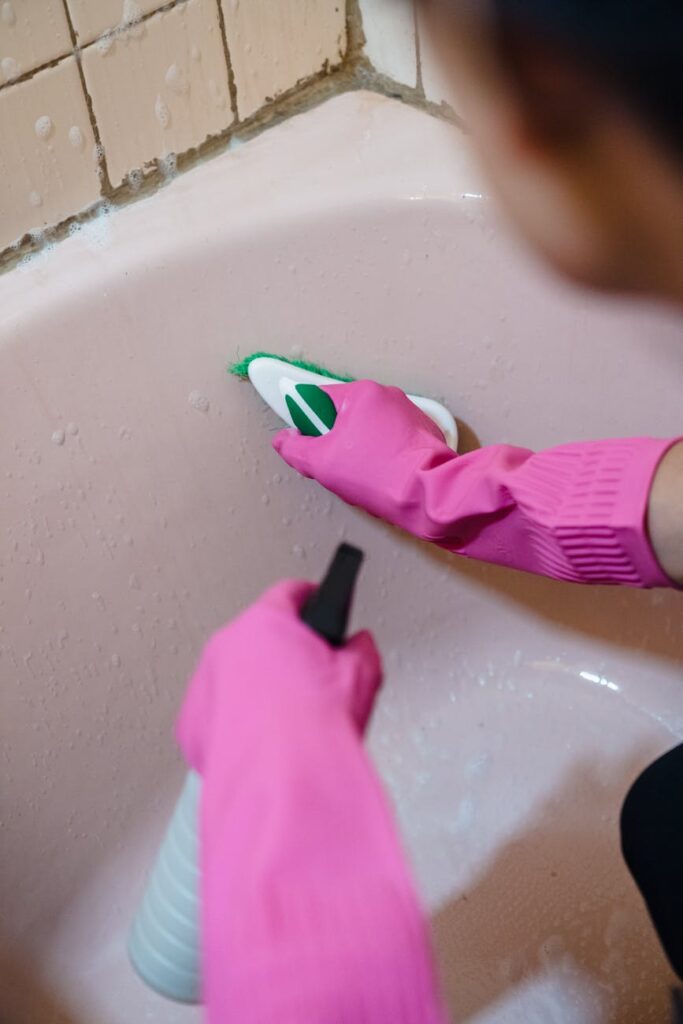
Dryer Lint Cleaning Bathroom Guide Part 2
Introduction
Cleaning dryer lint is a crucial home maintenance task that often gets overlooked, especially in smaller spaces like bathrooms. The combination of moisture and lint can create a breeding ground for mold and odors, and even pose a fire hazard. In this comprehensive guide, we’ll explore the causes of lint accumulation in bathrooms, the steps to effectively clean it, and how to prevent future issues.
What Causes Bathroom Lint Accumulation?
Lint accumulation in bathrooms primarily comes from several sources:
1. Dryer Vents: If your bathroom is near the laundry area, lint can easily travel through poorly sealed vents.
2. Humidity: High moisture levels can cause lint to cling to surfaces, making it more noticeable.
3. Fabric Materials: Towels, washcloths, and clothing may shed fibers that contribute to lint buildup.
4. Air Circulation: Lack of airflow can trap lint and moisture, exacerbating the problem.
Understanding these causes is the first step in effectively managing and cleaning lint in your bathroom.
Why This Problem Happens
Lint buildup in the bathroom can occur due to a combination of factors:
- Poor Ventilation: Bathrooms often lack proper air circulation, leading to moisture accumulation and trapping of lint.
- Proximity to Laundry Areas: If your bathroom is adjacent to a laundry room, lint can easily migrate through open doors or vents.
- Material Use: Fabrics like cotton or polyester can shed fibers, adding to the lint problem.
- Infrequent Cleaning: A lack of regular cleaning can result in a buildup of lint over time.
- Lint roller or sticky tape
- Vacuum cleaner with a brush attachment
- Microfiber cloths
- All-purpose cleaner
- Bucket of warm soapy water
- Scrub brush (optional)
- Use a Lint Roller: Start with a lint roller or sticky tape to quickly pick up lint from surfaces like shelves and countertops.
- Vacuum: Use the brush attachment of your vacuum cleaner to remove lint from corners, baseboards, and around fixtures.
- Soapy Water: Dip a microfiber cloth in warm soapy water and wring it out. Wipe down all surfaces, including counters, sinks, and mirrors.
- All-Purpose Cleaner: For stubborn spots, spray an all-purpose cleaner and let it sit for a few minutes before wiping clean.
- Inspect Vents: Check any vents or ducts for lint buildup. Use a vacuum or a cloth to clean these areas carefully.
- Duct Tape Trick: For hard-to-reach areas, wrap duct tape around a stick to create a makeshift lint remover.
- Replace Items: Once everything is clean and dry, return your items to their original spots.
- Air Out the Space: Open windows or turn on a fan to promote air circulation and reduce humidity.
Recognizing these factors will help you address and mitigate the issue effectively.
How to Fix Bathroom Lint Buildup (Step-by-Step)
Follow these actionable steps to clean lint from your bathroom:
Step 1: Gather Your Supplies
Step 2: Clear the Area
Remove any items from countertops, shelves, or floors that might obstruct your cleaning. This includes towels, toiletries, and decor items.
Step 3: Dust and Vacuum
Step 4: Wipe Down Surfaces
Step 5: Clean the Vents
Step 6: Final Touches
Best Cleaning Methods
To effectively combat lint buildup in your bathroom, consider these cleaning methods:
1. Dryer Sheets: Use dryer sheets to wipe surfaces. They can help repel lint and keep the area smelling fresh.
2. Microfiber Cloths: These are excellent for trapping dust and lint without spreading it around.
3. Vacuuming: Regularly vacuuming can prevent lint from accumulating. Make it a part of your weekly cleaning routine.
4. Air Purifiers: Consider using an air purifier to help reduce airborne particles, including lint.
Common Mistakes to Avoid
Avoid these pitfalls when cleaning lint from your bathroom:
1. Ignoring the Vents: Many homeowners forget to clean dryer vents, which can lead to increased lint accumulation.
2. Using Wet Cloths on Dry Surfaces: Using a wet cloth on dry surfaces can spread lint rather than remove it. Always dampen your cloth first.
3. Neglecting Regular Cleaning: Infrequent cleaning can lead to larger problems. Establish a cleaning schedule to stay on top of lint buildup.
4. Overlooking Fabrics: Don’t forget to clean towels and washcloths regularly, as they can shed lint, contributing to the problem.
Prevention Tips
To prevent lint accumulation in your bathroom:
1. Improve Ventilation: Ensure your bathroom has adequate ventilation. Consider installing an exhaust fan if needed.
2. Seal Gaps: Check for gaps in dryer vents or ducts and seal them properly to prevent lint migration.
3. Wash Fabrics Regularly: Launder towels and washcloths frequently to minimize lint shedding.
4. Use Lint Traps: Install lint traps in your dryer vent system to capture fibers before they reach your bathroom.
Frequently Asked Questions
1. How often should I clean lint from my bathroom?
Aim to clean lint from your bathroom at least once a month. More frequent cleaning may be necessary if you notice high humidity or lint accumulation.
2. Can I use a regular vacuum cleaner to clean lint?
Yes, a regular vacuum cleaner with a brush attachment is effective for cleaning lint from various surfaces.
3. What if the lint smell persists even after cleaning?
If odors persist, consider using an air purifier or dehumidifier to help eliminate musty smells caused by moisture and lint.
4. Are there any specific products recommended for cleaning lint?
All-purpose cleaners and microfiber cloths are highly effective. For stubborn stains, consider using a specialized fabric cleaner.
5. Can lint buildup cause mold?
Yes, lint can trap moisture, which may lead to mold growth in damp areas. Regular cleaning helps prevent this issue.
6. Is it safe to clean vents myself?
If you are comfortable and have the right tools, cleaning vents yourself is safe. However, if you notice significant buildup or issues, consider hiring a professional.
By following the steps and tips outlined in this guide, you can effectively manage and prevent lint accumulation in your bathroom, ensuring a cleaner and safer space for you and your family.