
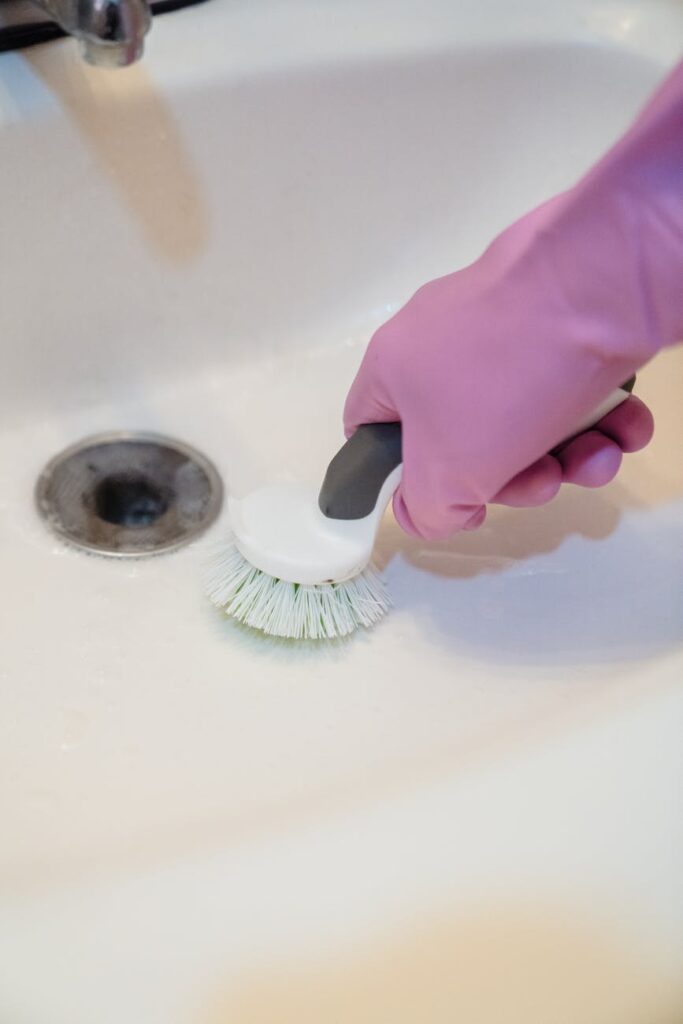
Drain Odor Removal Odours Guide Part 2
Introduction
If you’ve ever walked into your kitchen or bathroom and been greeted by a foul smell emanating from your drains, you’re not alone. Drain odors can be unpleasant and often indicate a buildup of waste or bacteria. In this guide, we will explore the causes of these odors, how to fix them, the best cleaning methods, common mistakes to avoid, and tips for prevention. Let’s get started!
What Causes Odours?
Drain odors typically arise from a few common culprits:
- Food Residue: Bits of food can get trapped in the pipes, especially in kitchen sinks.
- Standing Water: Water that doesn’t drain properly can become stagnant and develop a foul smell.
- Bacteria and Mold: These can grow in damp areas within the plumbing, leading to unpleasant odors.
- Sewer Gas: If there’s a break or blockage in your sewer line, it can cause sewer gas to seep back into your home.
- Clogs: Hair, soap scum, and grease can build up and create blockages that trap odors.
Understanding these causes is the first step in effectively removing the odors from your drains.
Why This Problem Happens
Drain odors often occur due to neglect. Regular cleaning and maintenance can prevent the buildup of waste and bacteria. Additionally, older plumbing systems may have cracks or breaks that allow odors to escape. Seasonal changes, such as heavy rain, can also exacerbate the problem by causing blockages or flooding.
How to Fix Odours (Step-by-Step)
Step 1: Assess the Situation
1. Identify the Source: Determine which drains are affected. Is it just one sink, or multiple areas?
2. Check for Visible Blockages: Look for any food debris, hair, or other materials that might be clogging the drain.
Step 2: Clear the Drain
1. Boiling Water: Pour boiling water down the drain to help dissolve any grease or soap buildup.
2. Plunger: Use a plunger to dislodge any clogs. Make sure to cover the overflow drain for better suction.
3. Drain Snake: If the problem persists, use a drain snake to reach deeper blockages.
Step 3: Clean the Drain
1. Baking Soda and Vinegar: Pour 1 cup of baking soda followed by 1 cup of vinegar down the drain. Let it sit for 15–30 minutes, then flush with hot water.
2. Enzymatic Cleaners: If odors persist, consider using an enzymatic drain cleaner that breaks down organic materials.
Step 4: Maintain Your Drains
1. Regular Cleaning: Repeat the baking soda and vinegar treatment once a month to keep drains odor-free.
2. Check Traps: Regularly inspect and clean the P-trap under sinks to remove any debris.
Best Cleaning Methods
1. Baking Soda and Vinegar: This natural remedy is effective and safe for most plumbing systems.
2. Enzymatic Cleaners: These are particularly good for breaking down organic matter and are safe for the environment.
3. Commercial Drain Cleaners: Use sparingly, as they can be harsh on pipes. Always follow the manufacturer’s instructions.
4. Hydrogen Peroxide: Pouring hydrogen peroxide down the drain can help kill bacteria and eliminate odors.
Common Mistakes to Avoid
1. Ignoring the Problem: Don’t let odors fester. Address them as soon as you notice them.
2. Using Harsh Chemicals: Overuse of chemical drain cleaners can damage pipes over time.
3. Neglecting Maintenance: Regularly clean your drains to prevent buildup.
4. Flushing Inappropriate Items: Avoid flushing items like grease, coffee grounds, and non-biodegradable materials.
Prevention Tips
1. Use a Drain Strainer: This will catch food particles and hair, preventing them from entering the drain.
2. Run Hot Water: After each use, run hot water down the drain to help flush away residue.
3. Regular Cleaning Schedule: Set a monthly reminder to clean your drains.
4. Avoid Grease: Never pour grease down the sink; instead, dispose of it in a container.
5. Check for Leaks: Regularly inspect your pipes for leaks that may lead to dampness and mold.
Frequently Asked Questions
1. How often should I clean my drains?
It’s best to clean your drains at least once a month to prevent buildup and odors.
2. Can I use bleach to clean my drains?
While bleach can kill bacteria, it’s not recommended for regular drain cleaning as it can damage plumbing.
3. What should I do if the smell persists after cleaning?
If odors continue, it may be a sign of a more serious plumbing issue. Consider contacting a plumber.
4. Are there any natural alternatives to chemical cleaners?
Yes, baking soda and vinegar are natural alternatives that effectively clean drains without harsh chemicals.
5. How can I stop hair from clogging my drain?
Using a drain strainer can significantly reduce hair buildup. Regularly cleaning the strainer will also help.
6. Is it safe to use a plunger on all sinks?
While plungers are effective, be cautious using them on kitchen sinks that have a garbage disposal; it may cause damage.
By following these steps and tips, you can efficiently tackle and prevent drain odors in your home. A little maintenance goes a long way in keeping your living space fresh and pleasant.