
Drain Odor Removal Laundry Guide Part 1
Introduction
If you’ve ever opened your washing machine and been greeted by a musty, unpleasant smell, you’re not alone. Drain odors can permeate your laundry and leave your clothes smelling less than fresh. This guide will walk you through the causes of drain odors, why they occur, and effective methods to eliminate them.
What Causes Laundry Odors?
Laundry odors often stem from a combination of factors. Here are the main culprits:
1. Bacteria and Mold: Moist environments are breeding grounds for bacteria and mold. When water sits in your washing machine or drain, it can foster these organisms.
2. Blocked Drains: Debris, lint, and soap scum can accumulate in your washing machine drain, trapping odors.
3. Detergent Buildup: Using too much detergent can lead to residue buildup, which can contribute to bad smells.
4. Standing Water: If your washing machine doesn’t drain completely, standing water can create odors.
5. Old or Stale Water: If your washing machine hasn’t been used in a while, the water left in the hoses can stagnate and smell.
Why This Problem Happens
Understanding why these odors occur can help you effectively combat them. Here are the primary reasons:
- Poor Ventilation: A lack of airflow in the laundry area can trap moisture and create a perfect environment for odors to thrive.
- Infrequent Use: If your washing machine isn’t used regularly, it can become a breeding ground for bacteria.
- Improper Maintenance: Neglecting to clean your washing machine and drain can lead to a buildup of grime.
- White vinegar
- Baking soda
- Essential oils (optional)
- A sponge or cloth
- A soft brush (to clean the drain)
- There are many commercial washing machine cleaners available. Follow the instructions on the packaging for best results.
- Adding a few drops of essential oils like tea tree or lavender to your wash can help mask odors and add a pleasant fragrance.
- Schedule monthly cleaning of your washing machine and drain to prevent odors from returning.
- Using Too Much Detergent: Overloading your washing machine with detergent can create buildup and odors. Always follow the manufacturer’s recommendations.
- Neglecting the Rubber Seal: The rubber seal around the door is a common area for mold and mildew. Clean it regularly.
- Ignoring the Drain: Many people forget to check the drain for debris. Regular cleaning is crucial.
- Using Cold Water for Everything: Some detergents work best in hot water. Ensure you use the appropriate temperature based on the load.
- Leave the Door Open: After using your washing machine, leave the door open to allow airflow and help dry out the interior.
- Use the Right Detergent: Choose a high-efficiency detergent that suits your machine and water type.
- Wash Regularly: Frequent use of your washing machine prevents water from sitting and stagnating.
- Consider a Drain Strainer: Use a strainer in your drain to catch lint and debris, reducing the chance of clogs.
How to Fix Laundry (Step-by-Step)
Removing odors from your laundry is a straightforward process. Follow these steps for a fresh-smelling wash:
Step 1: Gather Your Supplies
Step 2: Clean the Washing Machine
1. Run a Hot Cycle: Start by running an empty hot water cycle. This helps to loosen any buildup inside the machine.
2. Add Vinegar: Pour two cups of white vinegar into the drum. Vinegar is a natural deodorizer and will help eliminate odors.
3. Scrub Seals and Dispensers: Use a sponge or cloth to wipe down the rubber seals and detergent dispensers. Mold and soap scum can accumulate in these areas.
4. Run Another Cycle: After the vinegar cycle, run another hot cycle, this time adding half a cup of baking soda. This will neutralize any remaining odors.
Step 3: Clean the Drain
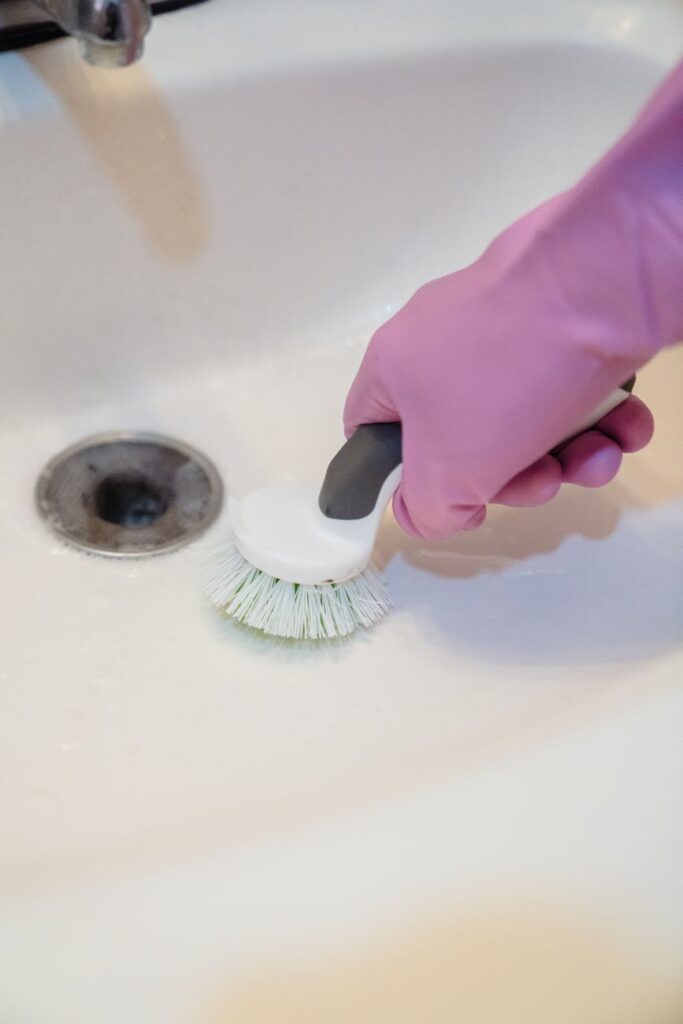
1. Check for Blockages: Inspect the drain for any visible clogs. Use a soft brush to clear away debris.
2. Flush with Hot Water: Pour hot water down the drain to help clear any lingering buildup.
3. Use Baking Soda and Vinegar: For stubborn odors, pour half a cup of baking soda followed by half a cup of vinegar down the drain. Let it fizz and sit for 10-15 minutes, then flush with hot water.
Best Cleaning Methods
In addition to the step-by-step guide above, consider the following cleaning methods:
Method 1: Commercial Cleaners
Method 2: Essential Oils
Method 3: Regular Maintenance
Common Mistakes to Avoid
To ensure effective odor removal, avoid these common pitfalls:
Prevention Tips
Taking preventive measures can save you from future odor issues:
Frequently Asked Questions
1. How often should I clean my washing machine?
It’s recommended to clean your washing machine at least once a month to prevent odors and buildup.
2. Can I use bleach to clean my washing machine?
While bleach can be effective, it can also damage certain components. Use vinegar and baking soda for a safer alternative.
3. What if the odor persists after cleaning?
If odors persist, check for blockages in the drain or consider calling a plumber to inspect for deeper issues.
4. Is it safe to mix vinegar and baking soda?
Yes, but they neutralize each other. Use them separately for the best results.
5. Can I prevent odors in my laundry?
Yes! Regular cleaning, proper ventilation, and using the right amount of detergent can help prevent odors.
6. Will essential oils really help with odors?
Yes, essential oils can mask odors and provide a pleasant scent. Just a few drops can make a difference.
Following these guidelines will help you tackle drain odors effectively and keep your laundry smelling fresh. Stay tuned for Part 2, where we’ll dive deeper into specialized cleaning methods and advanced maintenance tips!