
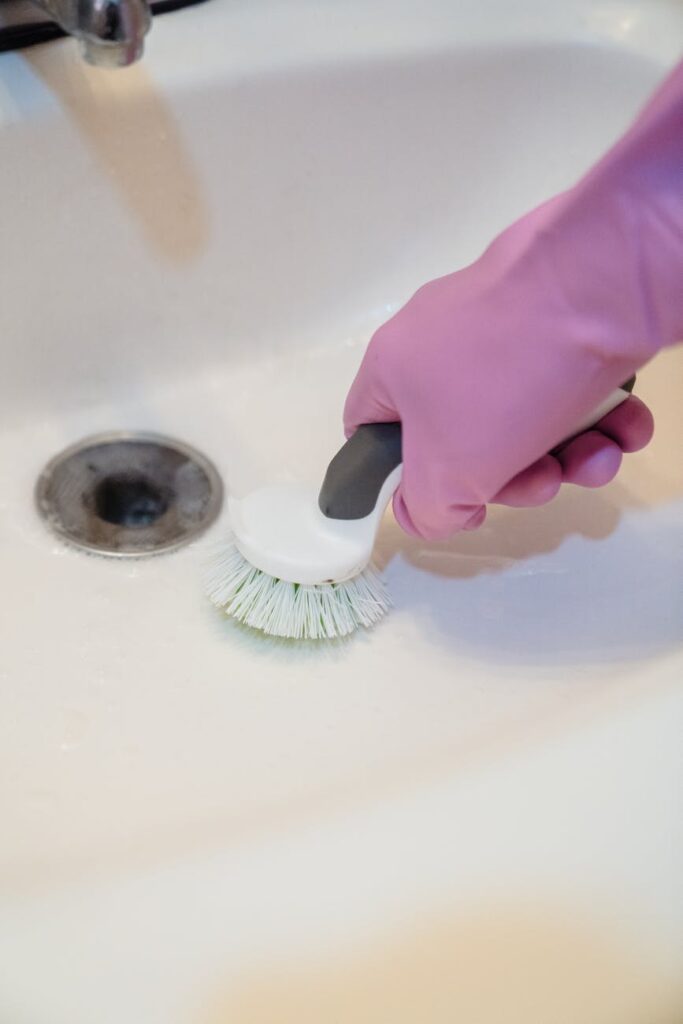
Drain Odor Removal Kitchen Guide Part 2
Introduction
Kitchen drain odors can be an unpleasant surprise, often disrupting your cooking and dining experience. Understanding the causes and how to effectively eliminate these odors is essential for maintaining a fresh kitchen environment. In this guide, we will delve into what causes drain odors, why they happen, and provide actionable steps to fix and prevent these issues.
What Causes Kitchen Odors?
1. Food Residue: Bits of food can get trapped in the drain, leading to decomposition and foul smells.
2. Grease Buildup: Grease from cooking can cling to the insides of pipes, creating a sticky environment for bacteria.
3. Clogged Pipes: Over time, debris can accumulate, leading to clogs that cause stagnant water and odors.
4. Sewer Gas: A dry or broken trap can allow sewer gas to enter your kitchen.
5. Mold and Mildew: Accumulated moisture in the sink or under the drain can foster mold growth, contributing to bad smells.
Why This Problem Happens
Kitchen drains are often under constant use, making them susceptible to various issues. Food particles, grease, and other organic materials accumulate over time, promoting bacterial growth and creating odors. Additionally, improper drainage or plumbing issues can lead to stagnant water, further exacerbating smell problems.
How to Fix Kitchen (Step-by-Step)
Step 1: Gather Your Materials
You’ll need:
- Baking soda
- White vinegar
- Hot water
- Dish soap
- A plunger
- A drain snake or a wire hanger
- A bucket
Step 2: Clear the Area
Remove any items around the sink, including dishes and cleaning supplies, to give yourself space to work.
Step 3: Boil Water
Boil a pot of water. This will help dissolve grease and other debris in your drain.
Step 4: Flush the Drain
Pour the boiling water down the drain slowly. This can help clear minor clogs and wash away food residue.
Step 5: Use Baking Soda and Vinegar
1. Pour 1 cup of baking soda down the drain.
2. Follow with 1 cup of white vinegar.
3. Let it sit for about 15–20 minutes. You’ll notice fizzing, which indicates the reaction is working to break down debris.
4. Rinse with hot water.
Step 6: Clean the Sink Strainer
If your sink has a strainer, take it out and clean it with hot, soapy water. This will remove any trapped food particles.
Step 7: Use a Plunger
If the odor persists, try using a plunger:
1. Place the plunger over the drain and ensure it creates a seal.
2. Push down and pull up sharply several times.
3. This can dislodge deeper clogs.
Step 8: Snake the Drain
If you still have odors, use a drain snake:
1. Insert the snake into the drain until you feel resistance.
2. Twist and pull it out to remove any clogs.
3. Rinse again with hot water.
Best Cleaning Methods
1. Baking Soda and Vinegar: This method is effective for minor clogs and odor removal.
2. Dish Soap and Hot Water: Regularly flushing your drain with soapy water can help prevent grease buildup.
3. Salt and Baking Soda: A mixture of salt and baking soda can help break down grease and food particles.
4. Enzymatic Drain Cleaners: These are safe and effective for breaking down organic material without harsh chemicals.
Common Mistakes to Avoid
1. Ignoring Regular Maintenance: Skipping routine cleaning can lead to major issues down the line.
2. Using Harsh Chemicals: These can damage pipes and worsen the problem.
3. Pouring Grease Down the Drain: Always dispose of grease in the trash or a container.
4. Neglecting the Garbage Disposal: If you have one, ensure it’s cleaned regularly to prevent odors.
Prevention Tips
1. Rinse After Use: Always flush the drain with hot water after cooking to remove any leftover grease or food particles.
2. Use a Strainer: A drain strainer can catch food debris before it enters the drain.
3. Regular Cleaning Schedule: Establish a monthly routine for cleaning your drains with baking soda and vinegar.
4. Keep the Garbage Disposal Clean: Use ice cubes and citrus peels to keep it fresh and clear.
Frequently Asked Questions
1. How often should I clean my kitchen drain?
Aim to clean your kitchen drain at least once a month to prevent buildup and odors.
2. Can I use bleach to clean my drain?
While bleach can kill bacteria, it can also damage your pipes and create harmful fumes. Stick to safer alternatives like baking soda and vinegar.
3. What should I do if the odor persists after cleaning?
If odors continue, there may be a deeper clog or plumbing issue. Consider calling a professional plumber for assistance.
4. Is it safe to use commercial drain cleaners?
Many commercial drain cleaners contain harsh chemicals that can damage your pipes. Use them sparingly and opt for natural methods when possible.
5. Can food scraps in the garbage disposal cause odors?
Yes, food scraps can cause odors if not cleared regularly. Always run cold water while using the disposal and clean it regularly.
6. Are there any natural alternatives to chemical drain cleaners?
Yes, baking soda, vinegar, and a mixture of salt and hot water are effective natural alternatives for maintaining clean drains.
By following these guidelines, you can effectively tackle kitchen drain odors and maintain a fresh, pleasant cooking environment. Regular maintenance and preventive measures will help keep your kitchen smelling great!