
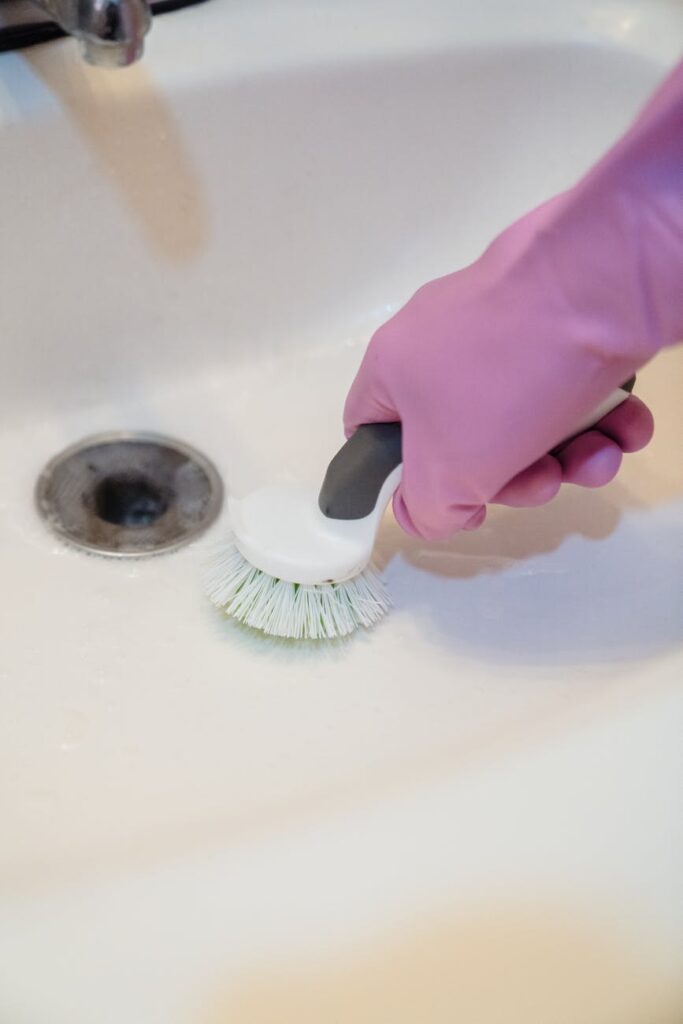
Drain Odor Removal Cleaning Guide Part 2
Introduction
If you’ve noticed unpleasant odors coming from your drains, you’re not alone. It’s a common issue that can stem from various sources, including food residue, grease buildup, and even organic matter. This guide will walk you through the causes of drain odors, effective methods for removal, and tips to prevent future issues.
What Causes Drain Odor?
Understanding the root causes of drain odor is essential for effective cleaning. Here are some common culprits:
1. Food Residue: Small bits of food can get trapped in your drains, leading to decay and odor.
2. Grease Buildup: Cooking oils and fats can solidify in pipes, trapping debris and creating foul smells.
3. Biofilm: A slimy layer of bacteria can form in your pipes, contributing to unpleasant odors.
4. Clogs: Any obstruction can lead to stagnant water, which breeds odors.
5. Sewer Gas: Issues with your plumbing system, such as dry traps or faulty vents, can allow sewer gas to escape.
Why This Problem Happens
Drain odors are not just a nuisance; they indicate underlying issues that could lead to larger plumbing problems. Here’s why these odors develop:
- Neglected Maintenance: Regular cleaning helps keep your drains clear. Over time, neglect allows buildup to occur.
- Poor Plumbing: Improper installation or aging pipes can exacerbate odor issues.
- High Humidity: Damp environments can promote mold and bacteria growth, leading to unpleasant smells.
- Baking soda
- White vinegar
- Hot water
- Dish soap
- A plunger
- A drain snake (optional)
- Baking Soda and Vinegar: This classic combination is effective for everyday odors and minor clogs.
- Dish Soap and Hot Water: Ideal for grease-related odors.
- Enzyme Cleaners: For persistent organic matter, enzyme-based cleaners can break down waste without harsh chemicals.
- Commercial Drain Cleaners: Use as a last resort; choose a product that is safe for your plumbing and follow the instructions carefully.
- Ignoring Regular Maintenance: Neglecting your drains leads to bigger problems. Clean them regularly.
- Using Harsh Chemicals: These can damage pipes over time. Opt for natural solutions when possible.
- Overusing Drain Cleaners: Frequent use can lead to pipe corrosion. Limit use to severe cases.
- Neglecting the P-Trap: The P-trap can dry out, allowing sewer gas to escape. Regularly check and maintain it.
How to Fix Drain Odor (Step-by-Step)
Follow these steps to eliminate odors from your drains effectively:
Step 1: Gather Your Supplies
You will need:
Step 2: Clear the Area
Ensure the area around your sink or drain is clean and free from clutter. This will make the cleaning process easier.
Step 3: Remove Visible Debris
Check the drain for any visible debris. Use your hands (wear gloves) or a small tool to remove any solid waste that could be contributing to the odor.
Step 4: Use Baking Soda and Vinegar
1. Pour 1 cup of baking soda down the drain.
2. Follow with 1 cup of white vinegar.
3. Allow the mixture to fizz for about 10–15 minutes. This reaction helps break down buildup.
Step 5: Flush with Hot Water
After the fizzing stops, boil a kettle of water and carefully pour it down the drain. This will help wash away any remaining debris.
Step 6: Apply Dish Soap
For grease issues, squirt a generous amount of dish soap down the drain, followed by hot water. This helps to cut through grease buildup effectively.
Step 7: Plunge the Drain
If odors persist, use a plunger. Ensure there’s enough water in the sink to cover the plunger’s cup and plunge vigorously for 20-30 seconds.
Step 8: Use a Drain Snake (If Necessary)
If the smell continues, there may be a clog further down the pipe. Use a drain snake to clear any deeper obstructions.
Step 9: Rinse and Inspect
Finally, rinse the drain with hot water. Check for any lingering odors, and repeat steps if necessary.
Best Cleaning Methods
Common Mistakes to Avoid
Prevention Tips
1. Run Hot Water After Use: Flushing your drains with hot water after cooking can help clear grease and food particles.
2. Install Drain Screens: These can catch food particles and hair before they enter the drain.
3. Regular Maintenance: Schedule a monthly cleaning regimen using baking soda and vinegar.
4. Avoid Pouring Grease Down the Sink: Instead, dispose of cooking oils in a container and throw it in the trash.
5. Check for Leaks: Regularly inspect your plumbing for leaks, which can contribute to odors.
Frequently Asked Questions
1. How often should I clean my drains?
Aim to clean your drains at least once a month to prevent buildup and odors.
2. Can I use bleach to clean my drains?
While bleach can kill bacteria, it’s harsh on pipes and can create toxic fumes. Opt for safer alternatives like baking soda and vinegar.
3. What if the odor persists after cleaning?
If odors continue, there may be a deeper issue in your plumbing system. Consider calling a professional plumber for an inspection.
4. Are there natural alternatives to commercial drain cleaners?
Yes, baking soda, vinegar, and enzyme cleaners are effective natural alternatives.
5. How can I tell if the odor is from the drain or the sewer?
If the smell is strong and resembles rotten eggs, it may be sewer gas. Check your P-trap and plumbing vents.
6. What if my kitchen drain smells worse than my bathroom drain?
Kitchens often accumulate more food residue and grease. Follow the cleaning steps outlined above specifically for kitchen drains.
By following this guide, you can effectively tackle drain odors and create a more pleasant environment in your home. Regular maintenance and proactive measures will keep your drains fresh and functional.